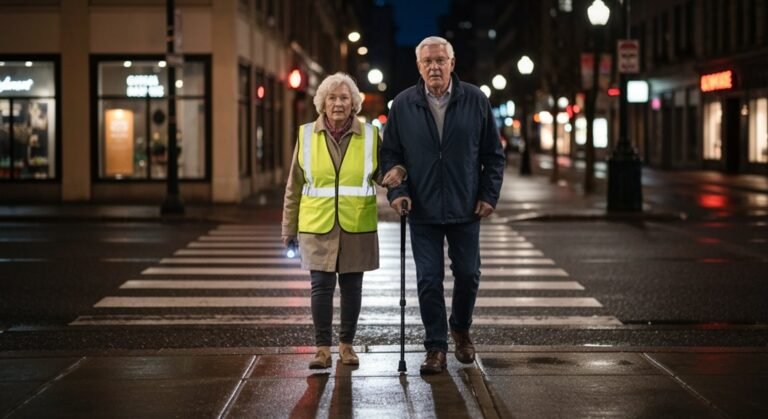
Preparing Your Home for Vacation (Senior Checklist)
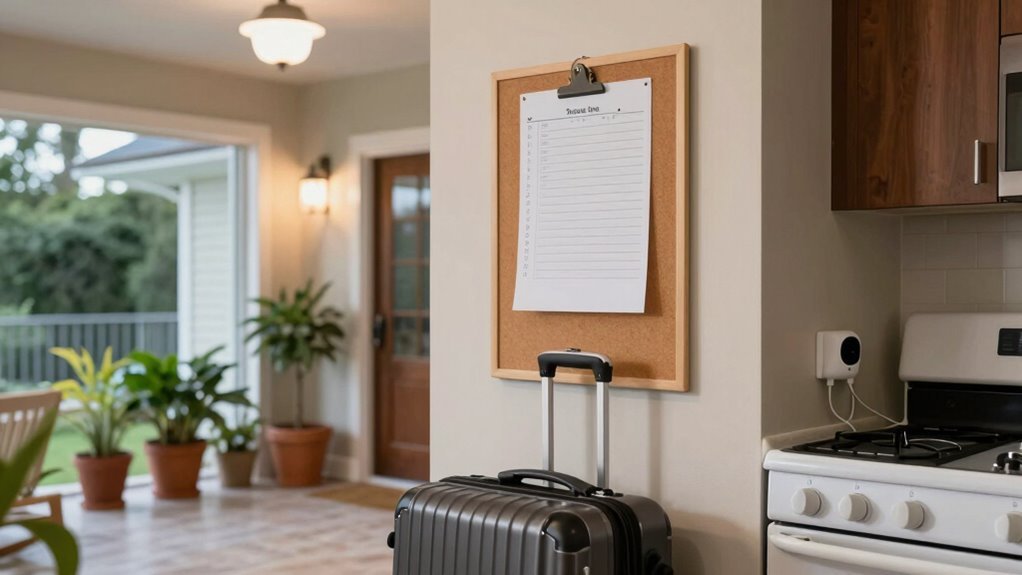
Preparing your home for vacation with seniors in mind starts with safety and comfort. Preparing Your Home for Vacation (Senior Checklist) should include removing trip hazards like loose rugs and clearing walkways so everyone can move around easily.
Keep essentials within reach—glasses, phones, a water bottle, and a small lamp by seating and sleeping areas. Make a simple checklist for daily routines and post emergency contacts where they’re easy to find.
Gather all medications, pill organizers, and any special dietary snacks the seniors prefer. Consider leaving instructions for pet care, plant watering, and any appliances that should remain on or off.
With these steps, you’ll create a safer, cozier home and help everyone enjoy a stress-free getaway. Stick around to discover even more helpful tips!
Assessing Needs and Creating a Care Checklist

Have you ever wondered how to keep things running smoothly at home while you’re off enjoying your vacation? Don’t worry! Evaluating medical needs and creating a care checklist can make your getaway worry-free.
Start by compiling a detailed medication list, complete with dosages and times, so no one misses a dose. A medical checkup before you leave can confirm everyone’s fit for travel, while gathering important medical records guarantees nothing’s forgotten. Additionally, consider arranging mobility aids, ensuring they are in good working condition before departure.
Next, whip up a daily care routine checklist that includes personal hygiene, meals, and activities. This way, caregivers have clear guidelines to follow. Don’t forget to note dietary preferences and any upcoming appointments!
To make your caregivers’ lives easier, organize essential documents into a user-friendly folder. This simple prep not only keeps your loved ones secure, but it also lets you relax on the beach, cocktail in hand—because you deserve that sunny escape, right?
Preparing the Home Environment
When you’re heading out for a vacation, transforming your home into a safe and comfortable haven for your loved ones can feel like a tall order, but it doesn’t have to be!
Start by removing trip hazards like loose rugs and electrical cords—those can be sneaky little troublemakers. Installing non-slip mats in bathrooms and kitchens is a smart move, making sure everyone can move around safely. Don’t forget grab bars; they’re a small change but make a huge difference! Also, ensure that various mobility devices are properly stored and accessible if needed.
A clean space is inviting, so scrub those bathrooms, stock up on fresh towels, and toss out any expired food.
In the kitchen, stock nutritious goodies that cater to senior diets; easy-to-reach utensils can be a game-changer.
Also, check those smoke detectors and make certain your emergency contacts are visible.
Finally, keep it cozy with proper lighting and comfortable seating, because your loved ones deserve a restful environment while you’re away!
Arranging Caregiver Support and Communication
While you might be itching to hit the road for your vacation, ensuring that your loved ones have the right caregiver support and communication in place is essential for peace of mind.
First, set up clear communication methods—decide if you want updates via phone calls, texts, or video chats. Regular check-ins keep everyone in the loop, so identify key contacts among caregivers and family members to streamline discussions.
Don’t forget to share detailed care instructions to avoid confusion! Your loved ones deserve care, not chaos. Encourage caregivers to practice active listening and to use simple, respectful language, making sure your loved ones feel heard and valued.
Finally, consider involving seniors in decisions about their care, empowering them and promoting independence.
Packing Essentials and Documentation for Support
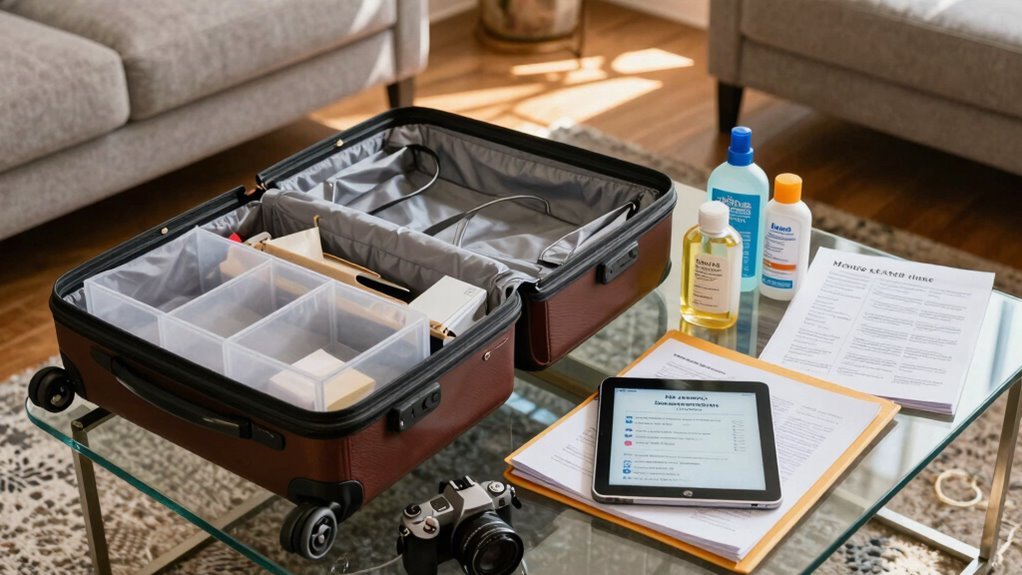
As you wrap up those final caregiving plans and wave goodbye to loved ones, here’s where the fun really kicks in—packing!
It’s time to gather your comfy clothes for layering, ensuring you stay cozy no matter the weather. Don’t forget comfy, non-slip shoes for those unexpected walks and a hat or two for that sunshine!
Now, let’s tackle personal care. Pack all your medications—extra just in case—and travel-sized toiletries to keep fresh on the go. Include those hearing aids and glasses—no one wants to miss a great view! Remember, having a packing checklist can help ensure nothing essential is forgotten.
Don’t forget your travel documents! Passport, ID, and a list of emergency contacts should be at the ready. Keep it all organized in a handy travel wallet.
And hey, a few familiar snacks will make those long journeys a bit sweeter. Happy packing, and get ready for your adventure!
Pre-Travel and Vacation Preparation for Seniors
Getting ready for a vacation can be an exciting adventure, especially for seniors who want to make the most of their time away!
First, schedule a pre-travel checkup to verify you’re fit for your trip. Chat with your doctor about medications, vaccinations, and any adjustments you might need. Don’t forget to grab a copy of your medical history—better safe than sorry!
Next, tackle transportation planning. Opt for non-stop flights or easy-entry vehicles that suit your mobility needs. Request accessible seating and let the airline know your needs ahead of time.
When picking accommodations, look for places with elevator access and grab bars.
Lastly, plan a flexible itinerary with low-impact activities. Give yourself plenty of time to rest and recharge. Pack some tasty, healthy snacks, too. After all, who wants to deal with grumpiness from hunger?
Happy travels!
Safety and Emergency Planning
When you’re packing for your vacation, don’t forget to include a solid safety and emergency plan—after all, a little preparation goes a long way!
First, gather your emergency kit essentials. You’ll want backup mobility aids, visual and hearing devices, and a stocked first aid kit. Don’t forget to create an emergency folder with key documents, medication lists, and even a few snacks for good measure!
Next, grab your smartphone and whip up a thorough contact list, including family, friends, and local shelters. Make a plan for how you’ll stay connected if communication goes haywire.
Finally, familiarize yourself with the emergency protocols of your facility, especially evacuation plans, to make things smoother should chaos strike.
By preparing like this, you can vacation with peace of mind, knowing you’re ready for whatever comes your way. Plus, who doesn’t love a little adventure, even in planning?
Enjoy your getaway!
Daily Routines for Seniors at Home
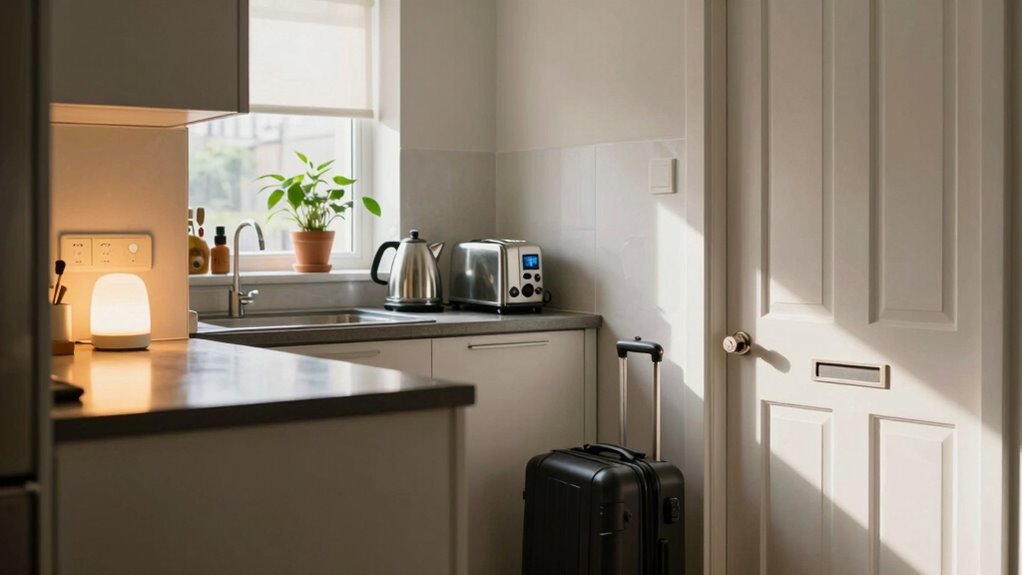
Daily routines can be a game-changer for seniors at home, helping to keep both the mind and body thriving!
Establishing a fixed schedule can bring structure and stabilize your day, giving you a sense of purpose. Start your day with a leisurely stroll—walking not only gets the body moving but also strengthens those joints. Tackle a few household chores, like tidying up or watering plants—trust me, they count as exercise too!
Don’t forget to pencil in some fun! Join a local club or attend a class; socializing with others boosts your mood and creates lasting friendships.
Mix productive tasks with leisure to keep things interesting. Planning your day allows for flexibility, so you can swap an indoor hobby for an impromptu garden party when the sun shines. Enjoying life’s simple pleasures can turn a routine into something to look forward to every day!
Medication Management for Seniors
Steering through medication management can feel a bit like solving a puzzle, but with the right strategies in place, it becomes much easier! Start by creating a detailed list of all your medications, including their names, dosages, and purposes. It’s handy to have both printed and digital copies accessible.
Use those colorful pill organizers or nifty electronic dispensers to keep track of your doses—trust me, no one wants to mix Sunday’s heart meds with Tuesday’s allergy relief!
When packing for your trip, always keep your medications in your carry-on. You’ll want an extra week’s supply just in case travel takes longer than expected. And don’t forget to consult your healthcare provider about adjusting your schedule for time zone changes!
Surrounding yourself with organized meds makes travel smoother and gives you peace of mind. You’ve got this, and your health will thank you!
Emergency Contact Information
In case of an emergency, having a reliable set of contacts can feel like having a safety net—especially for seniors who might need a little extra support!
Start by designating a primary emergency contact to keep an eye on your safety and coordinate evacuations if needed. Don’t forget a secondary contact, just in case the first can’t be reached. It’s essential to share full names, relationships, and contact info, like phone numbers and addresses.
A little tip? Laminate and store this info in multiple places, like your wallet or emergency kit, so it’s always handy.
But wait, there’s more! Create a communication plan, maybe a group text or phone call chain, so everyone stays updated.
And how about familiarizing contacts with local emergency resources? It’s like having your own superhero squad ready to swoop in and save the day!
Special Dietary and Medical Requirements
How can you guarantee that your loved ones’ special dietary and medical needs are met while enjoying a memorable vacation?
First, inventory their food supplies, focusing on nutritious meals that fit dietary restrictions. Be sure to pack low-sodium or diabetic-friendly snacks, catering to their individual needs. You can even enlist a caregiver to whip up meals—taking the stress off you!
Don’t forget to compile an easy-to-read list of medications with dosages and schedules. Pack these in labeled containers for easy access. While you’re at it, throw in a mini first-aid kit—think of it as your vacation safety net!
Stay hydrated with water and tasty electrolyte drinks.
Pro tip: if you notice a picky appetite due to climate changes, adjust meals accordingly. Overall, making these arrangements guarantees your loved ones cruise smoothly through their adventures without a hiccup!
Enjoy the travel fun!
Frequently Asked Questions
What Should I Do if My Caregiver Cancels Last Minute?
If your caregiver cancels last minute, don’t panic!
First, reach out to backup caregivers—family or friends who know your routine well.
If they can’t help, local home care agencies often have emergency coverage ready to go.
Even apps can connect you with vetted caregivers in a flash!
Just make sure to share all the important info like medication schedules.
With a little creativity and quick thinking, you’ll figure it out!
How Can I Ensure My Home Is Secure During Vacation?
Did you know that homes without security systems are 300% more likely to be broken into?
To keep your home secure during vacation, make sure all doors and windows have solid locks. Install motion-sensor lights outside and use timer plugs for indoor lights to give the impression you’re home.
Consider asking a friend to check in or plant a trustworthy house-sitter.
Finally, stash your spare keys in a secure spot—forget the doormat!
Do I Need to Notify Neighbors About My Absence?
Yes, you should definitely notify your neighbors about your absence!
Trusty neighbors can keep an eye on your home and quickly alert you to any unusual happenings, like unexpected visitors or suspicious noises.
Just share your travel dates and maybe ask them to collect your mail or park a car in the driveway—nothing says “I’m home” like a friendly yellow sports car!
A little heads-up goes a long way in keeping your home safe!
How Should I Handle Mail and Packages While Away?
So, you’re thinking about disappearing like a magician on vacation?
First, set up USPS mail forwarding to avoid a mountain of ignored bills.
Or, try a third-party virtual mailbox—because who doesn’t want their mail managed from afar, like a VIP?
Ask a friendly neighbor to play your mail collector, and maybe slip them a cookie or two.
For packages, secure those with a parcel locker.
No one likes a disappearing package trick!
What Steps Should I Take if Emergency Services Are Needed?
If emergency services are needed, stay calm and dial for help immediately.
Be ready to provide your location and describe the situation clearly.
Keep your emergency contact list handy, so you can inform loved ones.
If you’re with someone who needs assistance, position yourself to help them too.
Don’t forget to check your emergency supplies; having everything ready can make a big difference, plus you’ll be prepared for whatever comes your way!
Conclusion
So, as you get ready for your vacation, remember that prepping your home for seniors doesn’t have to feel overwhelming. With a little planning and checklists, you’re not just packing your bags; you’re gifting peace of mind to yourself and your loved ones. Don’t worry about leaving town; you’ll be back before you know it! Embrace the adventure ahead, knowing your home is ready and everyone’s taken care of. Now, go make some unforgettable memories!