
Safe Driving Tips for Senior Road-Trippers

Safe Driving Tips for Senior Road-Trippers start with awareness. As a seasoned road-tripper, embracing safe driving is key—watch for age-related changes like slower reaction times and shifts in vision so you can adapt before problems arise.
Adjusting your driving habits builds confidence. Slow down, avoid night driving when possible, and plan your route carefully as if it were a treasure hunt to reduce stress and surprises.
Schedule regular vision checks; conditions such as presbyopia and cataracts can develop gradually and affect safety on the road. Treat eye care as part of your trip preparation.
With these simple steps, you’ll keep your adventures rolling smoothly and enjoy many more miles of safe travel.
Understanding Age-Related Driving Challenges
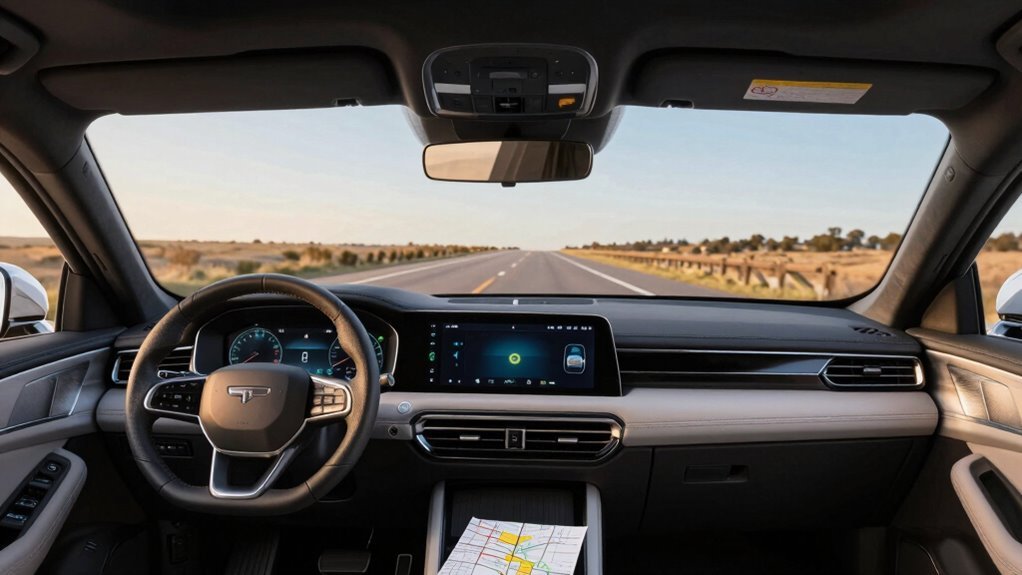
As you navigate the roads in your golden years, it’s important to understand that age can bring along a few driving challenges that weren’t there in your younger days. Your vision mightn’t be as sharp, making it tricky to spot those pesky stoplights or judge distances accurately.
Plus, slower reaction times can turn a simple lane change into a mini-adventure.
And let’s not forget about those neck and body flexibility issues that can make checking blind spots feel like a yoga challenge! Have you ever tried spinning around while sitting in the car? Spoiler alert: it’s not ideal!
While you may still be the life of the road, it’s essential to stay aware of these changes so you can adapt accordingly.
Embrace preventive measures—like regular health screenings—that could keep you safer and on the road longer.
Happy driving!
Recognizing Warning Signs of Unsafe Driving
Driving can feel as natural as breathing, especially after years behind the wheel. However, it’s essential to recognize warning signs that suggest it might be time for a driving reassessment. If you find yourself confusing the gas pedal with the brake, or if you’re frequently weaving between lanes, those could be red flags. Missing stop signs or traffic signals might hint at inattention.
Getting lost on familiar routes or feeling anxious at busy intersections can also signify a decline in memory or awareness. If you notice others honking at you often, it might indicate you’re having trouble keeping pace with traffic.
The Importance of Vision and Health Assessments
Staying safe on the road means more than just being aware of the warning signs related to driving.
It’s essential to keep your vision sharp and your health in check! Most states require a minimum visual acuity of 20/40 in one eye for unrestricted driving, especially when you’re over 65. Regular vision tests are a must, so don’t skip those visits!
As our eyes age, they can get a bit stubborn—hello, presbyopia! This makes judging distances trickier.
Plus, age-related issues like cataracts and glaucoma can sneak in, impacting your driving safety.
On top of vision, don’t overlook your overall health. If you’ve got neck or joint issues, it might be time for an evaluation.
Physical therapy or even adaptive equipment can help. So, let’s keep those wheels turning safely and consider those essential assessments to maintain your driving swagger!
Adjusting Driving Habits for Safety
When you hit the road, adjusting your driving habits can make a world of difference in your safety and confidence. To keep your journey smooth and enjoyable, consider these tips:
- Slow Down: Lowering your speed not only helps you react better but also means more time to enjoy the scenery!
- Avoid Night Driving: Your vision mightn’t be as sharp after dark, so stick to daylight drives whenever possible.
- Plan Your Routes: Choose familiar roads to avoid unnecessary stress and mental juggling. GPS is your friend!
- Take Regular Breaks: Long drives can wear you out—stop often to stretch your legs and stay alert.
Utilizing Technology and Driver Assistance Systems
As you hit the road, embracing technology and driver assistance systems can truly enhance your driving experience and keep you safe.
Imagine having a trusty co-pilot that alerts you to potential collisions or helps maintain a steady lane. With systems like Collision Warning and Automatic Emergency Braking, you can greatly reduce the chances of accidents—up to 44%!
And who wouldn’t appreciate a little extra help when backing up, thanks to rear cross traffic alerts?
Lane Keeping and Adaptive Cruise Control also offer that much-needed support during long road trips, easing the mental load of speed management.
Plus, driver monitoring systems can catch those sneaky signs of drowsiness, making sure you stay sharp behind the wheel.
So, whether you’re cruising down the highway or maneuvering busy streets, these technology helpers give you the confidence to enjoy every mile ahead.
Let’s make every journey a safe adventure!
Selecting Safer Routes and Conditions
Finding the right routes and conditions can truly make a world of difference when you’re on the road.
You’ll want to prioritize routes that are both scenic and easy to navigate. Here’s how to pick the perfect path:
- Choose beautiful routes like the Pacific Coast Highway, but focus on safer stretches.
- Explore historic roads like Route 66 or the Oregon Trail with amenities along the way.
- Avoid dangerous curves and potential road hazards to keep your drive smooth.
- Plan for breaks every couple of hours at safe, well-lit stops, so you stay refreshed and energized.
Timing’s key, too! Travel during daylight and watch the weather forecasts—no one wants to slip on a snowy road, right?
With these tips, you can cruise with ease, enjoying the journey as much as the destination!
Happy road-tripping!
Exploring Alternative Transportation Options
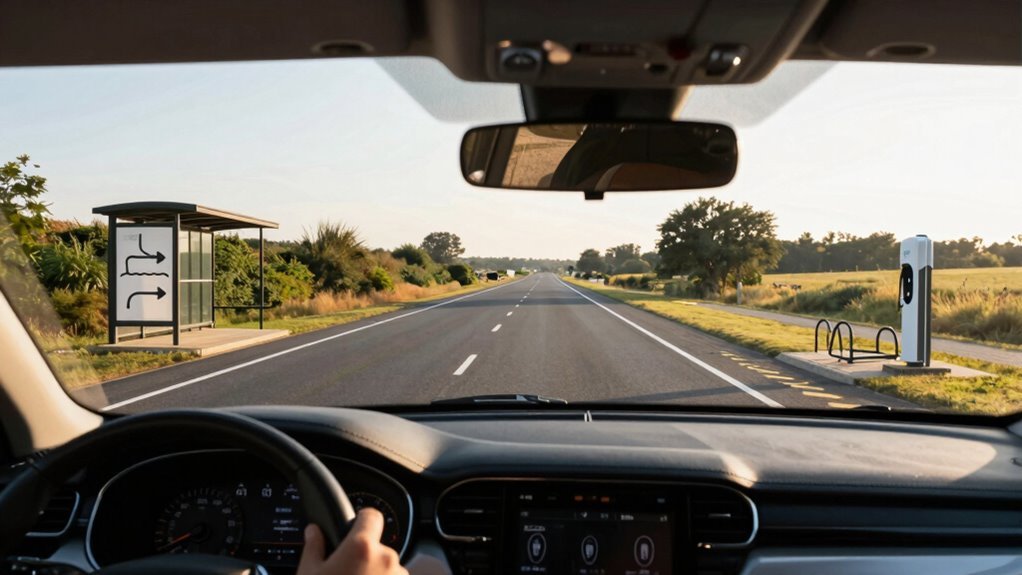
Exploring alternative transportation options can open up a world of possibilities for seniors who may not feel comfortable driving anymore. Public transportation is a fantastic choice, with many cities offering discounted fares for seniors.
Just imagine hopping on a bus or subway for just a few quarters! Not to mention, you might find a delightful surprise—friends or neighbors—riding along.
If public transit feels too challenging, consider ride-hailing services like Uber or Lyft. You can book a ride with just a tap (or a phone call if you prefer)!
And let’s not forget volunteer driver programs through local organizations; these friendly folks can give you a lift for errands or doctor’s visits.
With these options, you’ll discover that traveling doesn’t have to be a hassle. Instead, it can be an adventure!
Involving Family in Driving Assessments and Decisions
Making changes in driving habits can feel overwhelming, but you’re not alone in this journey!
Involving your family in driving assessments can make a world of difference. Here’s how they can help:
- Observe Closely: Family members can watch for any changes in your driving skills and alert you to potential issues.
- Gather Information: Collecting insights from friends and healthcare providers creates a complete picture of your driving capabilities.
- Open Conversations: Regular, honest discussions about your driving progress can prevent misunderstandings and address concerns before they escalate.
- Plan Together: Involving family members in planning guarantees you feel respected and helps you explore alternative transport options if needed.
Frequently Asked Questions
What Are the Best Practices for Vehicle Maintenance for Senior Drivers?
To keep your vehicle humming, start with regular oil changes every 5,000 miles or six months.
Don’t forget to check tire pressure and tread, rotating them for even wear.
Brake pads? Replace ’em every 25,000 miles.
A little inspection goes a long way—lights, wipers, and those sneaky dashboard warnings need your attention too.
And hey, keeping a detailed maintenance log? That’s just being smart.
You want a smooth ride, right? Let’s keep those wheels turning!
How Can Seniors Find Supportive Driving Communities or Groups?
You don’t need to drive solo forever!
Check out local senior centers, where you’ll find driving safety classes and social outings that pair you with fellow travelers.
You might even join groups like NV Rides or CARS, connecting you to awesome volunteer drivers.
And let’s not forget AARP’s great resources—they’ve got your back.
Embrace the fun of group rides and make new friends along the way! Your adventures await!
Are There Specific Insurance Discounts for Seniors Who Drive Safely?
Absolutely, seniors can snag some sweet insurance discounts for driving safely!
Many insurers offer up to 15% off premiums for accident-free records. If you take a defensive driving course, that could save you even more!
Plus, bundling your car insurance with other policies adds to the savings. Just keep those wheels safe and sound, and you’ll not only save cash—you’ll feel like a driving superstar!
Who knew being safe could be so rewarding?
What Should Seniors Know About Driving Laws That Differ by State?
If you’re a senior driving, it’s important to know that laws vary by state.
Some states require more frequent renewals or in-person visits starting at 65, while others mightn’t have special rules at all.
You might even face vision tests or road exams to verify you’re fit behind the wheel.
It’s a bit like a driving reality show, but your safety’s the star!
Can Senior Drivers Participate in Volunteer Driving Programs for Others?
Sure, senior drivers can absolutely participate in volunteer driving programs!
As they say, “Many hands make light work.” With your driving experience, you can help others while enjoying a sense of purpose. You get to set your schedule, and often receive perks like mileage reimbursement.
Plus, you’ll meet new friends along the way! Just remember, it’s not just about getting behind the wheel, it’s about making a difference in your community.
Conclusion
So, as you hit the road, keep these tips in mind to make your adventures safer and more enjoyable! Did you know that over 8 million drivers aged 70 and older are on the road today? That’s a lot of wisdom behind the wheel! Embrace the fun of your road trips, stay alert, and remember that driving is about enjoying the journey—both the sights and the company. Safe travels, and don’t forget to pack those snacks!