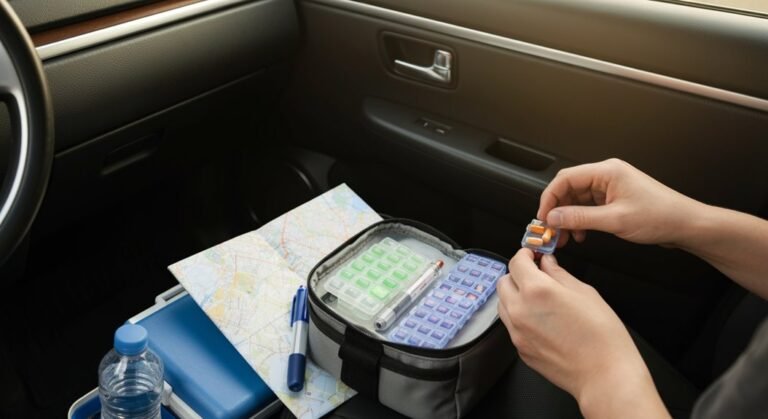
Travel Documents Checklist for Senior Travelers

Travel Documents Checklist for Senior Travelers: before you jet off, make sure your passport is valid for at least six months and that you have all necessary medical documents, such as a fitness-to-travel certificate.
Also gather emergency contacts and key financial details (cards, copies of important account numbers) and keep them together.
Organize everything in one easy-to-access spot — a travel wallet, folder, or digital backup — so you can handle any situation quickly.
Travel makes life exciting. For more tips on packing and planning, keep that spirit high and stay tuned!
Passport and Identification
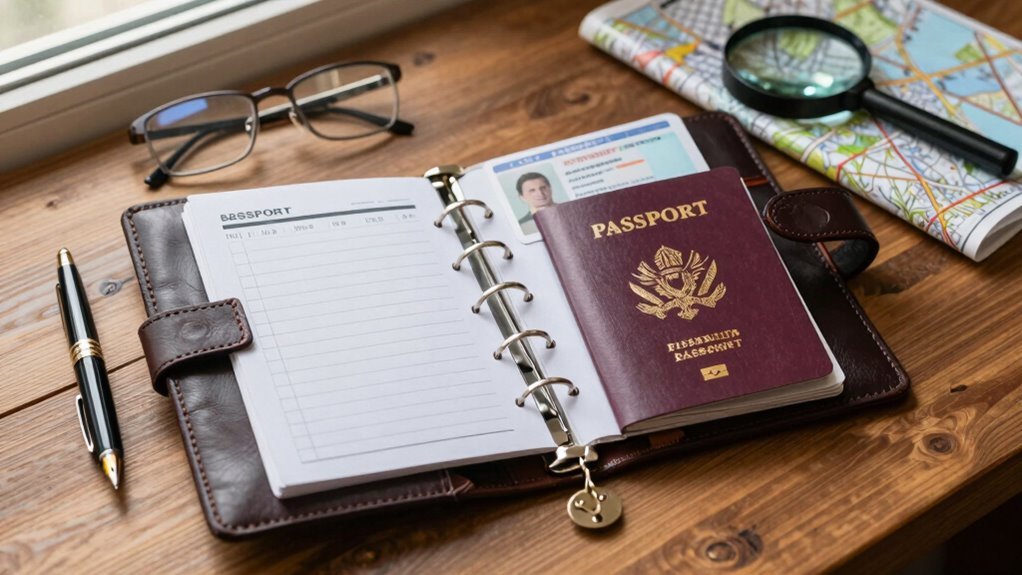
When it comes to traveling, having the right passport and identification is like having a VIP ticket to adventure. Imagine arriving at the airport only to find your passport expired! To avoid that disaster, verify your passport is valid for at least six months beyond your return date.
If you’re renewing your passport, the online options available for seniors since 2024 make things a breeze. Remember, if it’s your first adult passport, you’ll need to visit in person. And don’t forget those passport photos—they must meet specific standards!
Plus, starting May 2025, if you’re flying domestically, you’ll need a REAL ID or your trusty passport. For international escapades, check requirements for visas or electronic travel authorizations, which can save you from entry headaches.
Medical and Health Documentation
While you’re busy packing your bags with excitement for your next adventure, don’t forget to gather your medical and health documentation—it’s just as essential as your passport!
If you’re cruising or flying long-haul, grab that fitness-to-travel certificate from your doctor. You’ll want it handy just in case the airline decides to play gatekeeper.
Don’t forget your prescription medications, either! Keep them in their original pharmacy-labeled containers, or risk having customs treat them like contraband. A travel letter from your doctor listing your meds and their purposes can smooth out security checks. Be sure to also pack extra doses of medications for any unexpected delays during your journey.
Insurance? Absolutely a must! Since Medicare won’t typically cover you abroad, a solid travel medical policy will save you headaches down the road.
Finally, carry proof of vaccinations and a summary of any health conditions. You never know when you might need to impress someone with your thoroughness! Safe travels!
Emergency Contact Information
Packing your bags is only half the fun—considering what happens in case of an emergency is the other half! Before jetting off, make sure you’ve got your emergency contact information sorted. Leave a copy with family or friends, so they’ll know how to reach you, and keep a physical copy in your travel wallet or purse, just in case your phone decides to take a vacation of its own!
Jot down names, numbers, and even healthcare providers—think of it as your travel safety net. Include the nearest U.S. embassy info too, for international trips.
Don’t forget to enroll in the Smart Traveler Enrollment Program; they can really help if trouble arises abroad.
Remember to check in with your contacts regularly while traveling. Let them know you’re safe, and keep the lines open. With a bit of prep, you can enjoy your travels knowing you’re covered, come what may!
Accessibility and Mobility Documents
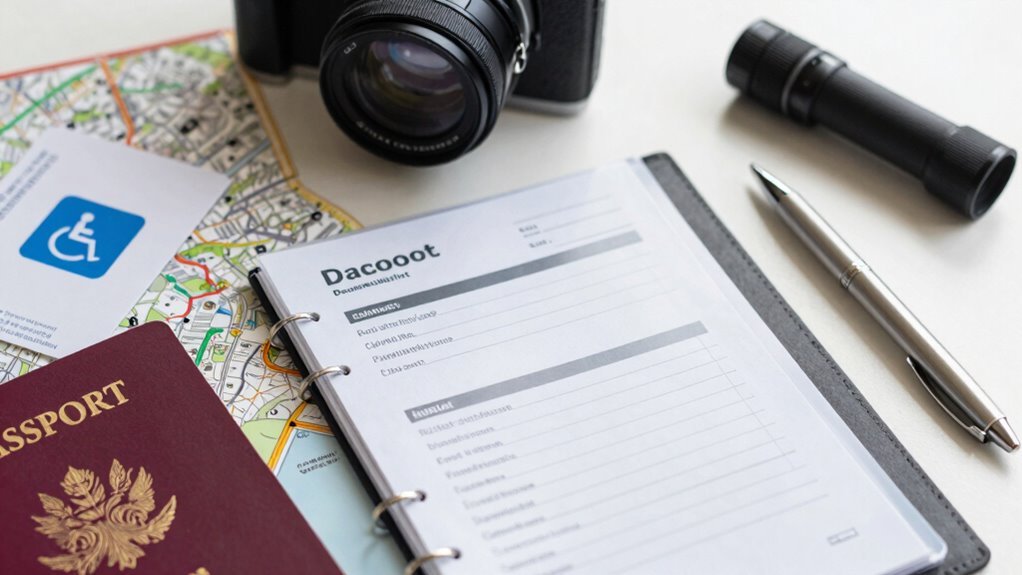
Before you commence your next great adventure, don’t forget to gather your accessibility and mobility documents!
You’ll want your government-issued photo ID, like a driver’s license or birth certificate, to prove your age and identity for those senior transportation services.
Don’t forget your residency proof, like utility bills, to confirm where you live.
Make sure you have any medical documentation that verifies your mobility limitations—trust me, it’ll save you some headaches!
Also, grab your healthcare provider’s summaries and lists of current medications.
Oh, and toss in copies of prescriptions in case you need refills while traveling. Additionally, consult healthcare providers about potential adjustments for time zone changes that might affect your medication schedule.
Lastly, if you’re flying, notify the airline at least 48 hours in advance for wheelchair assistance and check their policies for mobility devices.
With these documents in hand, you’ll be ready to tackle your journey with confidence and a smile!
Happy travels!
Financial and Travel Security Documents
Ready to commence your next adventure? Let’s make sure you’ve got your financial and travel security documents in order! Start by listing all your income sources—think pensions, Social Security, and those sneaky dividends.
Carry your bank details, including account numbers, and keep copies of your insurance policies handy for peace of mind. You never know when you might need them!
Don’t forget that durable Power of Attorney—this way, someone can help manage your finances if you can’t.
And grab your valid passport, ID, and even your birth certificates! Who knows when those gems will come in handy?
Lastly, prepare for emergencies by organizing a backup of your financial details.
Secure those credit card numbers and account logins, and pack some extra cash—just in case. Being ready isn’t just smart; it’s your ticket to a stress-free journey!
Additional Travel Documentation and Supplies
As you gear up for your journey, don’t forget the additional travel documents and supplies that can make your trip smoother than a freshly paved road!
First, keep a detailed list of your medications, with dosages, in their original containers. A doctor’s letter for any medical devices can save you from awkward security moments. Don’t forget those up-to-date vaccination certificates, either!
Next, carry multiple forms of ID, like your passport and driver’s license, plus copies stored both digitally and physically. If traveling solo, bring legal documents like your living will and an emergency contact card. You might even want to flaunt medical alert jewelry. Preparation for emergencies can also give you peace of mind during your travels.
Finally, remember your comfort! Comfortable shoes, a neck pillow, and those essential hygiene products can make a world of difference.
With these extras, you’ll be ready to conquer the world! Safe travels!
Travel Insurance Considerations
Traveling isn’t just about packing your bags and hitting the road—it’s also about ensuring you’re covered when unexpected situations crop up. For seniors, having the right travel insurance can be a game-changer. You’ll want emergency medical coverage to tackle those pesky health risks that might arise abroad.
Plus, if pre-existing conditions suddenly demand attention, you’re in luck with plans designed just for you!
Don’t forget about medical evacuation benefits—up to $500,000—because who wants to worry about how to get home if things go awry? If health issues make you cancel, coverage for trip interruptions can save you some serious cash.
Lastly, keep in mind that Medicare won’t bail you out internationally, making travel insurance essential.
Copies and Backup Plans
When you set off on your next adventure, having copies and backup plans for your essential travel documents can save you a world of hassle. Imagine losing your passport—yikes! To avoid that, make at least three copies of key documents like your passport, driver’s license, and travel insurance.
Stash one set in a secure zip-lock bag in your carry-on, and keep another in a different place. Don’t forget to digitize everything! Snap photos of important cards and store them in a password-protected cloud. Email these backups to yourself or a trusted friend for easy access.
For day trips, carry only what you need and lock the rest in your hotel safe. Using RFID-blocking wallets can help protect against pesky electronic pickpockets.
And remember, while it may feel like overkill, these steps can make a world of difference if the unexpected happens! Safe travels!
Preparation Checklist Before Departure
Before you dash out the door for your trip, it’s time to tackle that all-important preparation checklist!
First, verify your passport is valid for at least six months beyond your return date. Check for blank visa pages if you’re heading somewhere that requires a visa, and don’t forget to apply for it well ahead of time. Scheduling a medical check-up six to eight weeks before leaving is vital to update vaccines and secure prescriptions.
Next, notify your bank and credit card companies about your travel plans, so your account doesn’t freeze like a deer in headlights!
Consider carrying multiple forms of payment, plus a handy emergency contact list.
Lastly, be certain to organize all your essential documents in one accessible spot, so you aren’t frantically digging through bags at the airport.
With everything lined up, you’re ready to hit the road! Safe travels!
Frequently Asked Questions
What Types of Travel Insurance Are Best for Senior Travelers?
When it comes to travel insurance for seniors, you’ll love the options designed just for you!
Extensive single-trip plans cover emergencies and unexpected hiccups, while annual multi-trip plans are perfect if you’re jet-setting often.
Don’t forget about preexisting condition waivers—they’re your ticket to peace of mind!
Plus, medical evacuation upgrades come in handy if you wander off the beaten path.
How Can Seniors Find Accessible Travel Destinations?
Finding accessible travel destinations isn’t as intimidating as it seems!
Start by checking out reviews on ADA-compliant places; make sure they’ve ramps, easy transport, and smooth paths.
Don’t skip local resources like AARP for solid recommendations. Plan during off-peak seasons for fewer crowds—you’ll enjoy the calm!
Remember, it’s all about enjoying the journey, not stressing about the details.
Are There Age Restrictions for Certain Travel Activities?
No strict age restrictions apply to most travel activities, but some have recommended limits.
You’re in luck! Many tours and experiences cater to your level of mobility and energy, ensuring everyone can join the fun.
Just remember, your comfort is key—don’t hesitate to ask about intensity and pace.
While it’s all about adventure, some extreme sports may have age caps, so read the fine print and choose wisely.
Happy travels!
What Should Seniors Know About International Driving Rules?
When it comes to international driving rules, you’ll find exciting differences and some curious challenges.
While your U.S. license might work in Canada or Mexico, many places, like Italy or Greece, insist you grab an International Driving Permit (IDP).
And hey, watch out for age restrictions—some rentals won’t take drivers over 75!
Researching local laws before you hit the road will keep your adventure smooth and fun.
Buckle up for international driving!
How Can Seniors Avoid Travel-Related Scams?
To dodge travel-related scams, keep your wits about you!
Don’t share personal info with strangers, especially when they pressure you. Always ask for written confirmation of deals—if it sounds too good to be true, it probably is!
Stick to trusted travel sites, and beware of urgent messages about changes. A healthy dose of skepticism goes a long way, and remember, it’s safer to be cautious than to end up in a pickle!
Conclusion
So, as you prepare for your adventure, think of your travel documents like a ticket to a magic show—without them, you might miss the enchanting moments! Just as a magician pulls a rabbit from a hat, staying organized can help pull off the perfect trip. With your checklist in hand, you’re not just packing for a getaway; you’re packing for memories that’ll last a lifetime. Now, get ready to explore, and let the magic unfold!