The Joy of Slow Travel in Retirement
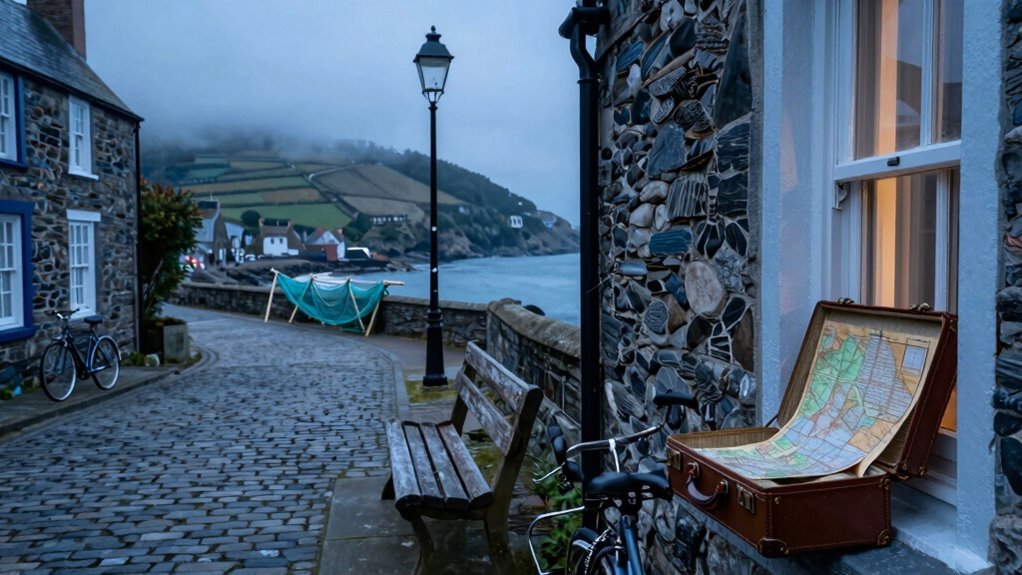
Slow travel in retirement is all about savoring the moment. Picture yourself meandering through charming towns, diving into local cultures, and soaking in stunning landscapes without a ticking clock.
You’ll feel healthier too, thanks to all that walking and fresh air. Taking time to really explore can boost mood and wellbeing.
Plus, you’re helping communities thrive and reducing your carbon footprint—talk about a win-win!
So grab your suitcase and get ready to explore; more exciting ideas await just around the corner.
Environmental Benefits of Slow Travel
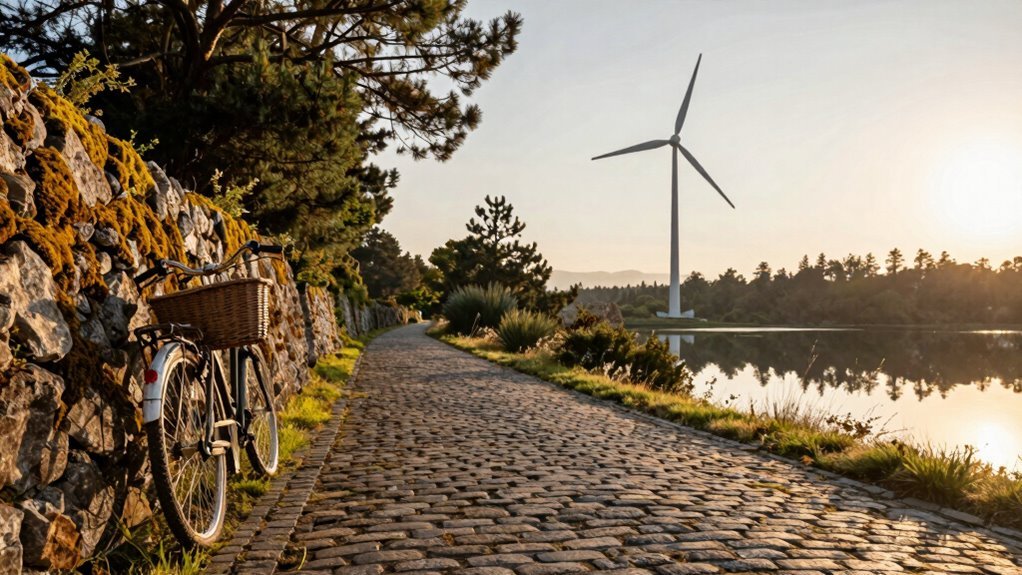
When you think about traveling during retirement, you might picture yourself lounging in a tropical paradise or bustling city, but have you ever considered the environmental benefits of slow travel?
By choosing trains, buses, or boats over planes, you’re cutting down on those pesky CO2 emissions. Did you know a single long-haul flight emits more carbon per passenger than you’d create in an entire year?
When you opt for slow travel, you also stay longer at fewer destinations, which means less hopping from place to place and fewer emissions. Plus, longer stays mean you’ll use fewer disposable products that contribute to waste. This makes your adventures kinder to the planet.
And let’s be honest—who wouldn’t want to leave a beautiful place better than they found it? So, roll those sleeves up and plunge into the joy of slow travel; Mother Earth will thank you!
Economic and Community Impact
Slow travel isn’t just a peaceful way to savor new places; it also packs a punch when it comes to boosting local economies and communities. When you take your time exploring, you’ll likely linger longer at cozy cafes, charming shops, and unique bed-and-breakfasts. That means your travel dollars are sticking around to support local artisans and businesses, giving communities a much-needed economic boost!
Destinations that embrace slow travel, like Tuscany and New Zealand’s South Island, thrive as boutique hotels and farm stays flourish. This style of tourism helps create more jobs in hospitality and retail, making local employment more stable.
Plus, it reduces the pressure from the hustle of high-volume tourism, keeping things chill for residents.
Health and Psychological Benefits for Retirees
Exploring new places isn’t just about the sights and sounds; it’s also a fantastic way to boost your health and happiness in retirement!
When you embrace slow travel, you open the door to a world where moving and enjoying life come together beautifully.
Here are three key benefits you won’t want to miss:
- Physical Activity: Walking, hiking, and climbing keep your metabolism humming and blood flowing, helping you feel more vibrant and alive!
- Mental Well-being: Being in nature and experiencing new cultures can lift your spirits, reduce stress, and enhance your cognitive abilities, keeping your brain sharp.
- Enhanced Happiness: Those nostalgic moments and positive memories formed during your travels can improve your life satisfaction, making your golden years truly shine!
Social and Cultural Engagement
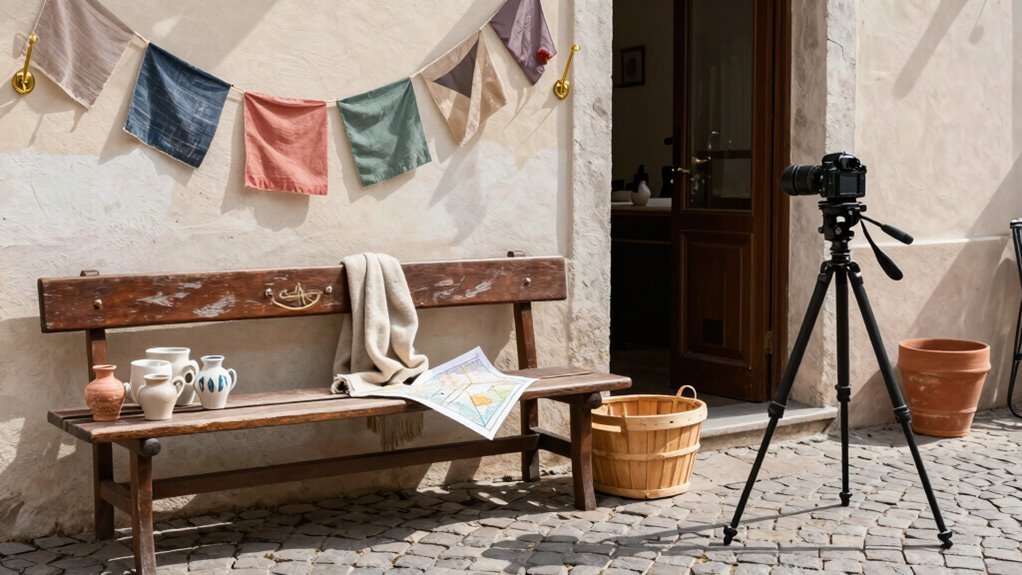
Traveling isn’t just about the destinations you visit; it’s also an incredible way to build new friendships and enrich your life with cultural experiences.
Imagine starting a cooking class in Italy, learning to whip up pasta while exchanging laughter and stories with fellow travelers. That’s the beauty of slow travel! You’ll find that 56% of older travelers seek these connections, making new friends a key motivator to hit the road.
Whether you’re in a group or enjoying solo adventures within a friendly framework, you’ll cherish shared experiences that combat loneliness.
Engaging with locals at festivals or dance classes fosters meaningful connections while deepening your cultural appreciation. Remember, every shared meal can turn into a delightful memory, and these social adventures often extend beyond the trip, building lasting bonds.
Cost Efficiency and Budget Considerations
When you’re considering a getaway in retirement, managing your budget can feel like maneuvering through a maze, but it doesn’t have to be intimidating!
With a little foresight, you can travel comfortably without breaking the bank. Here are three strategies you might find helpful:
- Opt for Extended Stays: Longer rentals often mean lower nightly rates, plus you can whip up meals at home, saving on expensive restaurants.
- Use Local Transit: Ditch the pricey taxis! Walk or hop on public transportation to save money and immerse yourself in local life.
- Shop Smart: Avoid tourist traps and choose local markets for authentic goodies—and sweet savings!
Travel Trends and Popularity Among Retirees
With the winds of change blowing through the travel landscape, it’s no surprise that retirees are embracing new adventures like never before. In fact, around 76.7% of retirees are planning trips in 2025, reflecting a zest for exploration.
You might even find yourself among the 46% taking to the skies, as air travel gains popularity, while road trips take a backseat.
The vibrant energy doesn’t stop there; multigenerational travel is blooming, with 42% of seniors planning family trips. Imagine bonding over adventures or feeling the thrill of culture-rich destinations like Italy or Greece!
As you contemplate your travel plans, remember, you’re in great company—seniors make up about 37% of all travelers.
Embracing Local Experiences
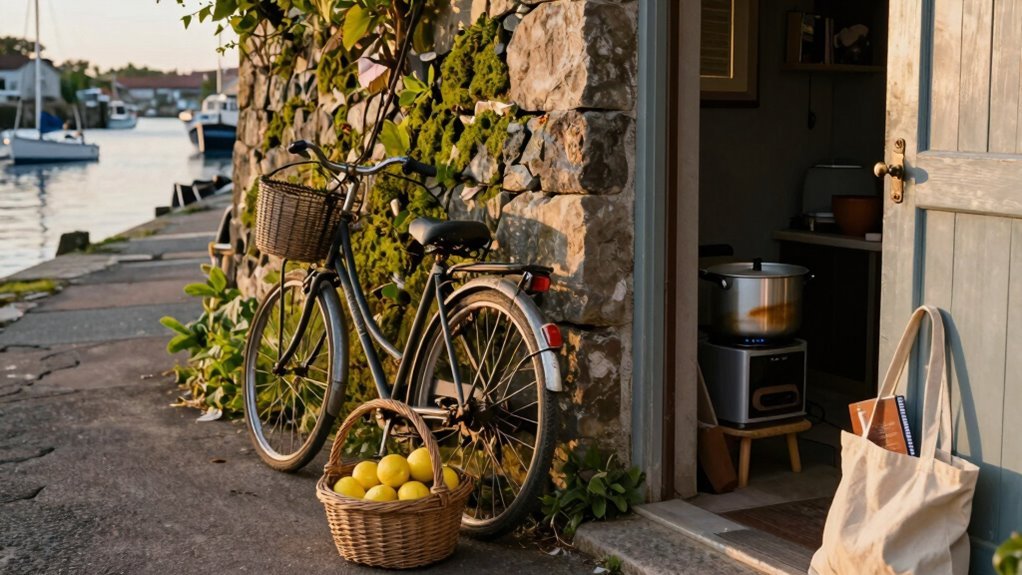
Embracing local experiences can transform your retirement travel into something truly memorable and enriching! Instead of sticking to the usual tourist spots, immerse yourself in the heart of the community.
Here’s how you can do that:
- Attend a Storytelling Walk – Join locals sharing tales that breathe life into the place you’re visiting. It’s like getting the insider scoop, but way more fun!
- Explore Lesser-Known Villages – Discover hidden gems instead of crowded hotspots. These off-the-beaten-path locations often hold the richest stories and the tastiest foods.
- Participate in Local Workshops – From crafting to cooking, you’ll not just learn a skill but also connect with the culture. Plus, it makes for great bragging rights back home!
As you engage with local artisans and family-run eateries, you’ll find that retirement travel is about making those intimate, unforgettable connections.
Happy exploring!
Choosing the Right Destinations for Slow Travel
Choosing the right destinations for slow travel can feel like a delightful puzzle waiting to be solved! You’ll want to weigh options that suit your budget, interests, and sense of adventure.
Picture the gorgeous landscapes of Belize with its charming spots like Ambergris Caye, or Thailand’s hidden gems like Pai and Chiang Mai, where your wallet will thank you. If you prefer peaceful vibes, Guatemala’s Lake Atitlan offers tranquility alongside small-town charm.
Consider Eastern Europe, where Budapest and Krakow let you soak in rich history without breaking the bank.
Or how about some island life in Croatia’s Dalmatian Islands? They whisper “slow down” more than any alarm clock!
If you crave culture with fewer tourists, check out lesser-known spots like Luang Prabang in Laos.
Tips for Optimizing Your Slow Travel Experience
While you may think slow travel is all about lounging in hammocks and sipping piña coladas, optimizing your experience is key to diving deep into new cultures and creating lasting memories.
Let’s make the most of your journey with these tips:
- Stay Longer: Aim for 3 to 7 nights per stop. This way, you’ll soak in the local vibes without the hustle of constant packing.
- Travel Smart: Keep your travel days under 20% of your trip time. This lets you savor every moment rather than rush from one spot to another.
- Go Local: Immerse yourself in community events like festivals or markets. Seek recommendations from residents—after all, who knows better than those living it every day?
Frequently Asked Questions
What Are the Best Modes of Transport for Slow Travel?
The best modes of transport for slow travel are biking, walking, and public transit.
You’ll get to explore your surroundings at a delightful pace, soaking in every detail. Biking’s great for short distances, giving you a sense of freedom, while walking connects you intimately with local life.
Public transit? It slows you down yet lets you relax without the hassle of traffic. Plus, you might meet some interesting folks along the way!
How Do I Find Local Accommodations When Traveling Slowly?
Finding local accommodations when traveling slowly is like searching for hidden gems in a treasure hunt!
Start by diving into small, family-run inns or eco-friendly lodgings that connect you to the culture. Use online platforms that highlight local hotels, and don’t shy away from asking locals for recommendations—they’ve got the best insider tips.
Remember, the less touristy spots often hold the most delightful surprises, making your journey unforgettable.
Happy exploring!
What Essential Items Should I Pack for a Slow Travel Trip?
When you pack for your slow travel trip, remember versatility!
Bring a mix of tops and layers for unpredictable weather, along with comfy shoes for all your adventures.
Don’t forget your travel documents in waterproof pouches and a small first aid kit for safety.
A portable charger keeps you connected, while a Kindle lightens your load.
Finally, toss in a foldable tote for those quirky local finds—you never know what treasures await!
How Can I Connect With Other Slow Travelers?
To connect with other slow travelers, jump into online communities on social media, or check out forums like Reddit and Slow Travel Forums.
These spots are buzzing with tips and tales from fellow wanderers. Don’t forget apps like Meetup for in-person connections!
A local coffee shop or market can be your networking goldmine, too. Plus, why not join travel clubs? You might just find your next travel buddy while sipping a latte!
Are There Specific Slow Travel Communities or Forums Online?
You’ve got some great options for online slow travel communities.
Check out Rick Steves’ Travel Forum for tips on immersing yourself in Europe.
Bogleheads.org is perfect if you’re crunching numbers on travel budgets.
Sixty and Me offers a supportive space for sharing experiences and planning.
Plus, Slow Europe is a treasure trove of advice for engaging with locals.
Immerse yourself, ask questions, and you’ll quickly feel part of the slow travel family!
Conclusion
So, are you ready to embrace the joy of slow travel in your retirement? Studies show that retirees who take their time traveling report feeling 30% more satisfied with their experiences compared to those who rush from place to place. Imagine savoring local food, connecting with friendly faces, and truly soaking in your surroundings! With the world as your oyster, there’s no need to hurry—just take a deep breath, enjoy the journey, and make some unforgettable memories!