Travel Etiquette for Senior Globetrotters
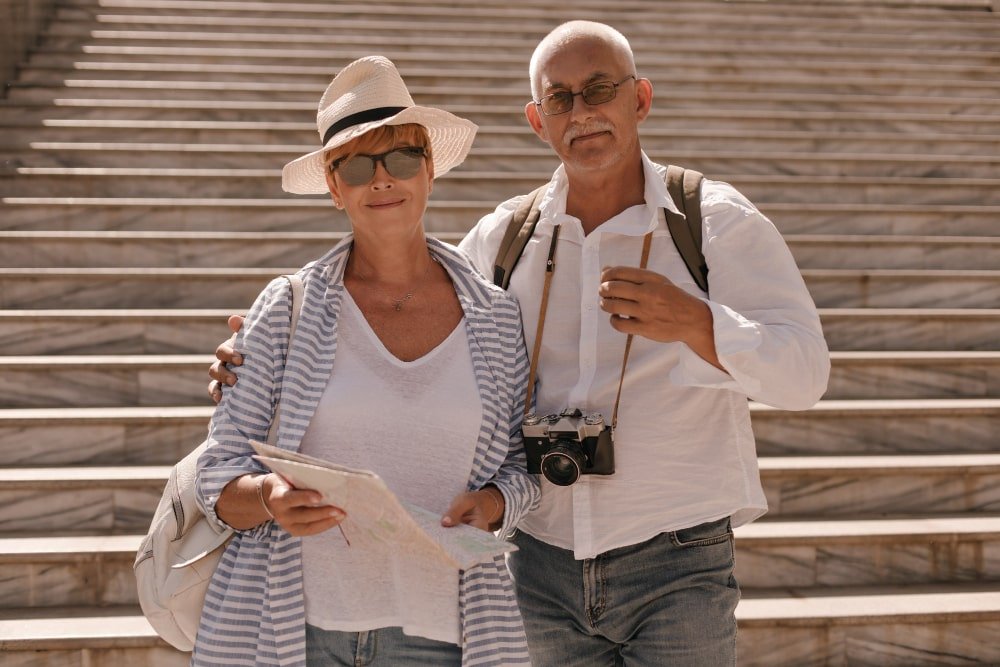
Travel Etiquette for Senior Globetrotters helps make every trip more enjoyable by encouraging respect for local customs. Greet locals warmly, learn a few basic phrases in the local language, and dress modestly when appropriate to blend in and show consideration.
Be patient with dining etiquette — observe how others eat, follow local table manners, and offer your seat to someone in need when the situation calls for it.
Pay attention to cultural differences in communication, such as gestures, eye contact, and personal space. These small adjustments can open doors to meaningful connections and more rewarding travel experiences.
Ready to explore more tips on navigating social norms and making connections? A little awareness goes a long way.
Understanding Local Customs and Etiquette
When you travel, there’s something magical about connecting with local cultures, isn’t there? It’s like discovering a secret world!
To truly immerse yourself, start by greeting locals with respect. A simple “Bonjour” in France or a cheerful “Wai” in Thailand can work wonders. Don’t forget those magic words—“please,” “thank you,” and “excuse me”—to smooth your interactions.
Personal space differs, too; some cultures prefer an arm’s length, while others enjoy a cozy chat. Keep an eye on body language; for instance, nodding means “yes” in many places but “no” in Bulgaria.
Dress codes matter—modesty can open doors. Remember, it’s not just about clothes but showing respect for local customs.
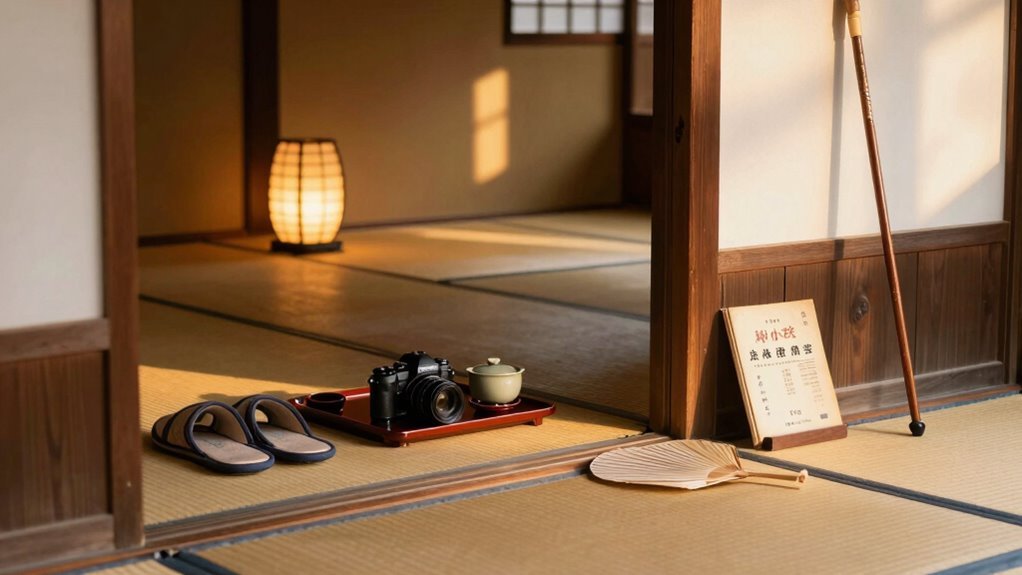
Finally, plunge into dining etiquette; phrases like “Itadakimasu” before meals can add a sprinkle of charm. Embrace these customs, and you’ll find yourself making friends faster than you can say “bon appétit!”
Planning Ahead for Cultural Sensitivity
To guarantee your travels are as enjoyable as they’re culturally enriching, planning ahead is key.
Think of it as laying the groundwork for a fantastic adventure! Here are three tips to assure cultural sensitivity during your travels:
- Choose Senior-Friendly Destinations: Opt for places with accessible amenities and quality healthcare. Nothing beats peace of mind while you immerse yourself in a new culture!
- Learn Basic Local Phrases: A simple “hello” or “thank you” in the local language can go a long way. It shows respect and opens doors to friendly interactions – who doesn’t love a warm smile from a local?
- Research Local Activities: Find social programs tailored for seniors.
Engaging with these activities can lead to authentic connections, making your travel experience richer and more fulfilling.
Respecting Dress Codes
How can you truly respect the cultures of the places you visit? One way is by paying attention to dress codes. Before you jet off, research the local traditions. Some countries ask for head coverings or dress conservatively when visiting sacred sites. Avoid graphic t-shirts that might ruffle feathers or flip-flops in formal settings.
In airports, aim for an “upgrade” from your typical grocery store attire, but keep it comfortable! Long skirts or lots of layers may slow you down during security checks, so opt for wrinkle-free outfits that can mix and match easily. Additionally, be aware that seniors over 75 may have special screening procedures during security that could affect how you dress for ease of passage.
Remember, comfort is key, but decency counts too.
Packing versatile clothing guarantees you respect local modesty while looking sharp. With the right wardrobe choices, you’ll show appreciation for the cultures you’re exploring, all while enjoying your travels. Who knew dressing could be both fun and enlightening?
Navigating Social Norms

Once you’ve nailed down your wardrobe choices, it’s time to embrace the vibrant world of social norms that make each culture unique and fascinating.
You’ll find that understanding these customs can enhance your travel experience and help you connect with locals. Here are three key areas to focus on:
- Greetings & Communication: Remember to say “bonjour” in France—it’s like giving a friendly hug to conversation! Use formal titles and maintain a respectful distance during chats.
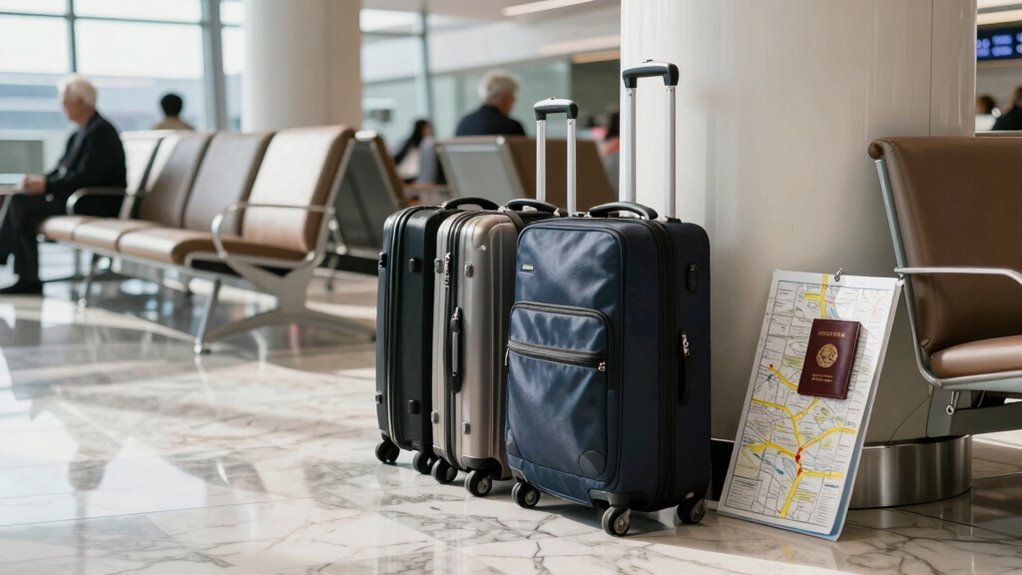
- Public Transportation Etiquette: Always prepare in advance—maps and exact change are your best friends! Be sure to offer your seat to those in need, showing kindness wins hearts.
- Dining Customs: Be open to trying local dishes, and don’t be shy to ask for recommendations. Remember, patience is key while dining; it’s about savoring the moment, not rushing through it!
Embrace these habits, and you’ll navigate with ease and grace!
Interacting With Locals
What makes interacting with locals such an enriching part of travel? It’s the authentic experiences and stories you gain! When you immerse yourself in local culture, knowing customs and traditions can lead to meaningful connections.
Supporting local artisans by buying handmade goods or dining at their favorite spots not only helps their community but gives you a taste of real life there.
So, don’t shy away from learning a few key phrases; even a simple “hello” in the local language can spark warmth and goodwill. Remember, age carries different weight in various cultures, so be mindful of how you interact!
When you share your dietary needs or mobility needs openly, locals appreciate your honesty, which leads to smoother interactions.
You’ll find that building friendships with locals can reveal hidden gems and enrich your travel memories. So, roll up those sleeves, embrace the adventure, and enjoy every local encounter!
Adapting to Pacing and Expectations
While exploring new destinations, adapting to your travel pace and expectations can make all the difference in creating a joyful experience.
Take the time to savor each moment, and consider these tips for a delightful journey:
1. Choose Off-Peak Times****: Traveling during less crowded seasons not only lowers costs but also adds peace to your trip.
You’ll appreciate the slower pace and fewer tourists.
2. Opt for Comfortable Transport****: Whether it’s a road trip in your own vehicle or a scenic train ride, choose options that let you travel at your speed.
Who wants to rush?
3. Plan for Rest Days****: It’s essential to schedule downtime.
Enjoy a leisurely coffee, read a book, or simply people-watch.
After all, travel is as much about relaxation as adventure! Furthermore, consider that approximately 58% of travel nights occur during shoulder seasons to provide cost-effective options and enhance your overall travel experience.
Embrace your unique rhythm, and remember that traveling at your pace can lead to the most memorable experiences!
Being Mindful of Photography Etiquette
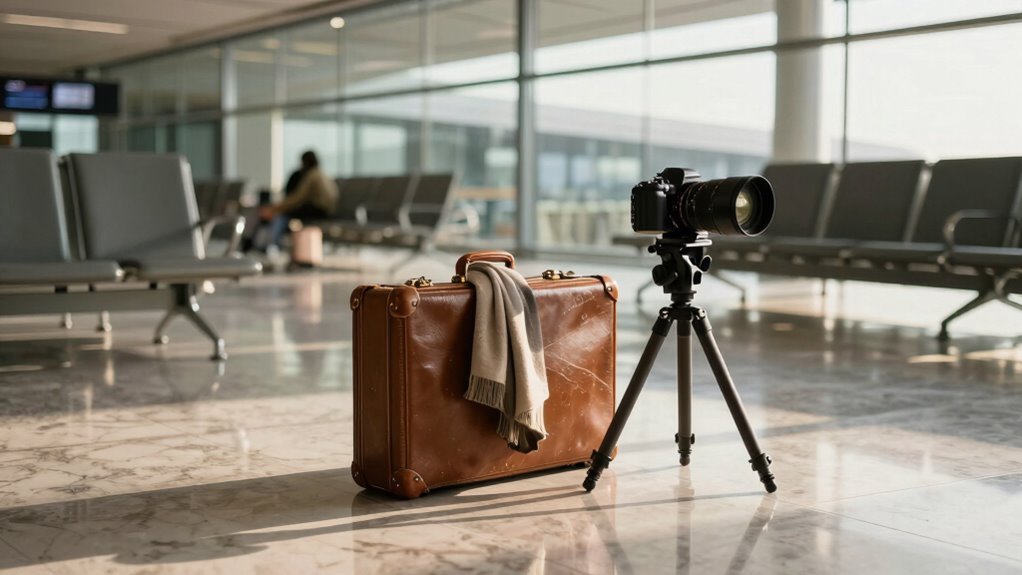
Photography is an incredible way to capture memories and share stories from your travels, but it’s essential to keep in mind that not everyone wants to be the star of your snapshot. Always ask for permission before snapping a photo, especially of locals. A simple smile or gesture can go a long way in building trust.
And if someone declines, bow out gracefully; their comfort comes first!
Cultural norms vary, so do a little homework on where you’re visiting. Some places may find photography intrusive, especially around sacred sites or concerning vulnerable groups.
Be mindful of your surroundings, too! Don’t block pathways or crowd others while lining up your shot. A zoom lens is a great friend, allowing you to capture candid moments without getting too close.
And hey, show gratitude! Thank your subjects, and if you can, share those images with them—it’s a lovely way to brighten someone’s day.
Tipping Guidelines Across Cultures
When it comes to traveling the world, knowing how to tip appropriately can save you from some awkward moments!
Tipping customs vary widely, so let’s break down a few key points to keep in mind.
1. United States & Canada: Expect to tip around 15-20% at restaurants, as service workers often rely on tips for their income.
2. Europe: Service charges are often included, so tipping 5-10% is polite but not mandatory.
France even pioneered this to guarantee fair wages!
3. Asia: In Japan, tipping can be seen as rude since exceptional service is expected without extra compensation.
Communicating Effectively While Traveling
Effective communication is key to a delightful travel experience, especially for seniors who may encounter new cultures and languages. To keep conversations flowing smoothly, speak slowly and clearly, using simple language. Avoid confusing jargon and face the person directly – it helps with lip reading and makes your dialogue feel more connected.
Remember, a calm tone goes a long way; no one likes feeling talked down to!
Practicing active listening is essential too. Let them share their stories and avoid jumping in with your thoughts too soon. Try to keep your questions direct and focused to reduce any confusion.
If there’s a language barrier, don’t hesitate to use professional translators or visual aids.
Keep an eye on your surroundings too! Minimize distractions, and sit at eye level to foster better engagement.
With these joyful tips, you’ll turn potential miscommunications into wonderful connections that enrich your travel adventures!
Frequently Asked Questions
What Are Key Phrases to Learn in the Local Language?
To make your travels smoother, learn some key local phrases! Say “Hello” or “Good Morning” to greet folks with a smile.
Don’t forget “Please” and “Thank You” — they can work wonders. If you’re lost, ask, “Where is…?” and point to a map for extra help.
And if you’re feeling brave, try “I’d like…” when ordering food. A little effort goes a long way, and locals usually appreciate your attempts! Have fun!
How Can Seniors Avoid Common Travel Scams?
To avoid common travel scams, always book directly with reputable airlines or hotels.
Imagine being in a lovely European city, only to find out you’ve “won” a bogus free trip! Yikes!
Don’t fall for unsolicited offers begging for your personal info, either.
Trust your gut—if it feels too good to be true, it probably is.
Stay sharp, double-check everything, and enjoy your adventures without the stress of scam artists lurking around!
What Should I Do if I Feel Unsafe?
If you ever feel unsafe, scoot to a well-lit, busy area right away—safety in numbers, right?
Don’t hesitate to ask hotel staff or local police for help; they’re there for you! Use your phone’s emergency features or apps to alert someone you trust. Remember, avoiding confrontation is key!
Take a mental snapshot of your surroundings for reference. Just breathe, trust your instincts, and don’t hesitate to seek help when you need it!
Are There Special Transportation Discounts for Seniors?
Absolutely, you can score some great transportation discounts as a senior!
Airlines like American and Southwest offer special deals for those 65 and older—just give them a call.
Plus, train rides on Amtrak come with a 15% discount for travelers aged 62+.
Car rental services, such as Alamo and Avis, also provide fantastic savings.
Just don’t forget your proof of age; your wallet will thank you for these perks!
How to Handle Dietary Restrictions When Dining Out?
When dining out with dietary restrictions, your secret weapon is communication! Always inform the restaurant ahead of time; think of it as giving them a treasure map for your meal.
Request modifications politely, like holding the salt or swapping out gluten. Embrace simple dishes that are easy to customize, and bring snacks just in case—nobody wants a grumble from your tummy!
With a little planning, you can enjoy delicious food without a hitch!
Conclusion
As you set off on your adventures, remember that travel is like a dance—you lead with respect and follow the rhythm of local customs. Each destination is a new song, and by embracing its unique etiquette, you’re not just a visitor; you’re a welcomed guest. So, pack your curiosity, wear your best smile, and don’t forget your sense of humor! With these tips in hand, your globetrotting experience will be nothing short of delightful. Safe travels!