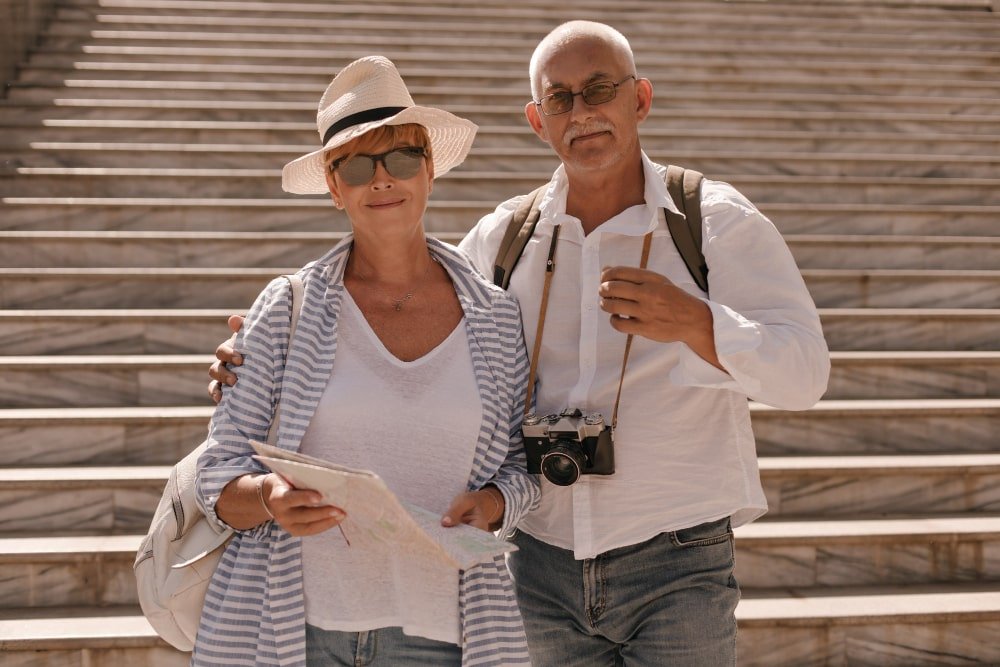
Handling High Altitudes: Tips for Older Travelers
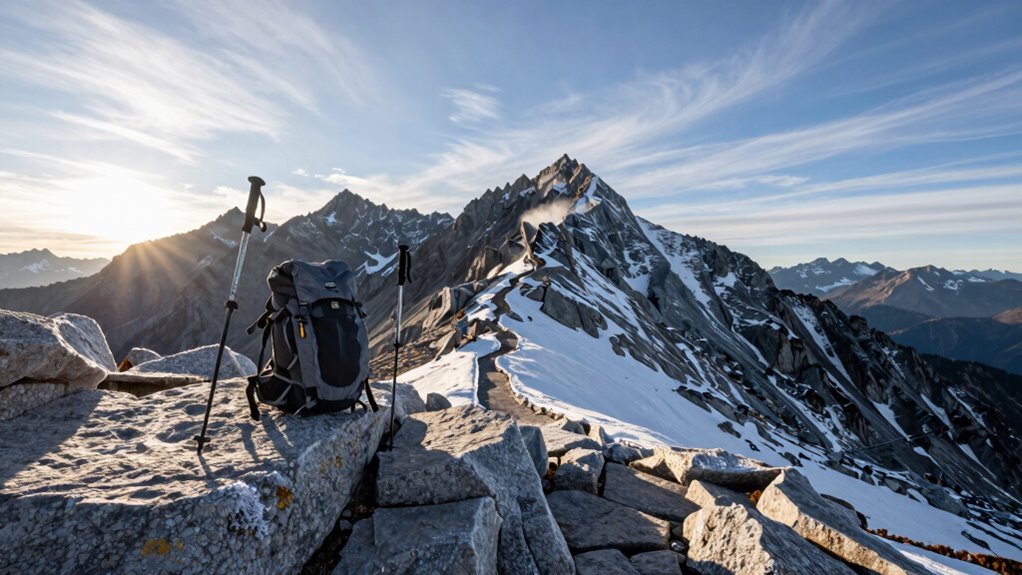
When tackling high altitudes, older travelers need to take extra care. Ascend slowly—aim for no more than 300–500 meters (1,000–1,600 ft) per day—to give your body time to adjust and reduce the risk of altitude illness.
Stay well hydrated, choose frequent high-carbohydrate snacks, and avoid alcohol for at least 48 hours after reaching higher elevations. Light activity is best at first; keep exertion gentle while you acclimatize.
Watch for any unusual symptoms such as severe headache, dizziness, nausea, shortness of breath, or confusion. If these occur, descend to a lower altitude and seek medical help.
A comfortable, warm sleeping spot can help with altitude-related sleep disruptions. Keep these tips in mind, and you’ll be better prepared for an unforgettable adventure. Want more insights?
Understanding Acute Mountain Sickness and Its Risks for Older Travelers
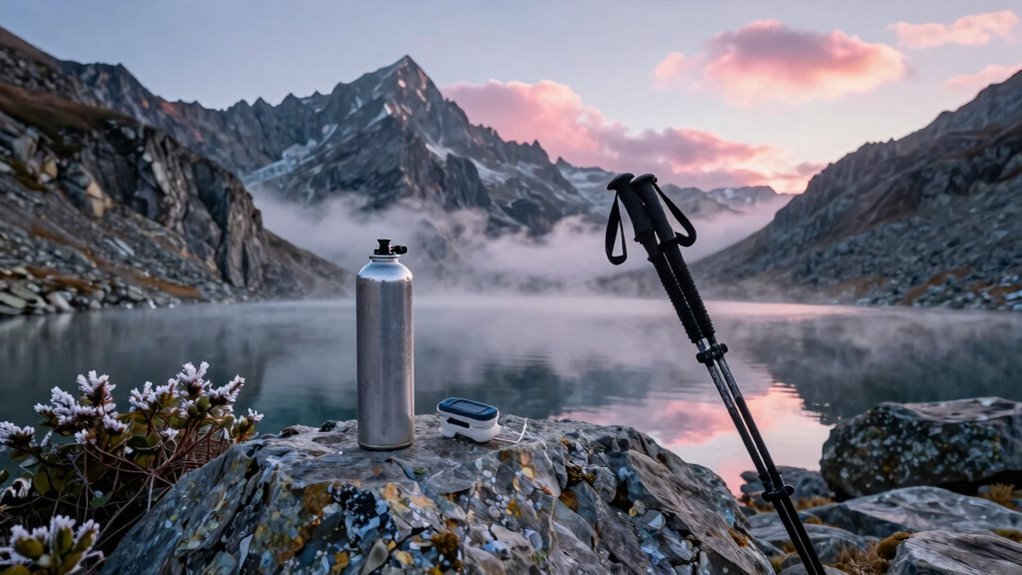
When you think about high-altitude adventures, it’s easy to get caught up in the breathtaking views and thrilling experiences, but there’s a sneaky little foe you need to watch out for: Acute Mountain Sickness, or AMS for short.
Imagine feeling like you’ve been hit by a hangover, complete with headaches, nausea, and fatigue—yikes! These symptoms usually sneak up on you about 6 to 12 hours after you’ve gained altitude, although they can catch you off guard even sooner.
Older travelers, in particular, should take extra care since the body doesn’t adapt to high altitudes quite as easily. Rapid ascents, combined with any existing health issues, can greatly increase your AMS risk.
Keep an eye on your body and don’t ignore those subtle signs. After all, you want your mountain trip to be memorable for all the right reasons!
The Impact of Extended High-Altitude Exposure on Health
As you revel in the incredible beauty of high-altitude landscapes, it’s essential to keep an eye on how long you’re soaking up those stunning views. Prolonged exposure to altitudes above 2,500 meters can really stir up some health issues.
While your body might boost red blood cell production to carry oxygen, it can also make your blood too thick, leading to chronic mountain sickness. Plus, if you’ve got existing breathing problems like asthma, those high-altitude air conditions may complicate things even further.
Let’s not forget your brain! Cognitive functions, like memory and focus, can take a hit due to long-term hypoxia, which can be frustrating when you’re trying to enjoy the scenery.
All things considered, while that mountain vista is breathtaking, remember that moderation is key. So, take breaks, hydrate well, and enjoy the views, but also listen to your body!
Cardiovascular Considerations for Older Adults in Mountain Environments
Venturing into the mountains can feel like stepping into a postcard, but it’s crucial to keep your heart in check while you’re catching all those breathtaking views. For older adults, high altitudes can be tricky, especially if you’ve got a heart condition.
The thinner air might make your heart race more than that last hike you conquered! Reduced oxygen can worsen existing issues, so starting slowly is imperative. Give your body time to acclimatize; a gradual ascent is like easing into a warm bath rather than jumping into icy waters.
Stay hydrated and be mindful of any unusual symptoms—those could be signs your heart’s not loving the altitude.
And hey, while you’re enjoying those mountain peaks, don’t forget to check in with your healthcare provider before your trip. You want your adventure to be about memories, not medical emergencies!
Importance of Sleep and Recovery at High Altitudes
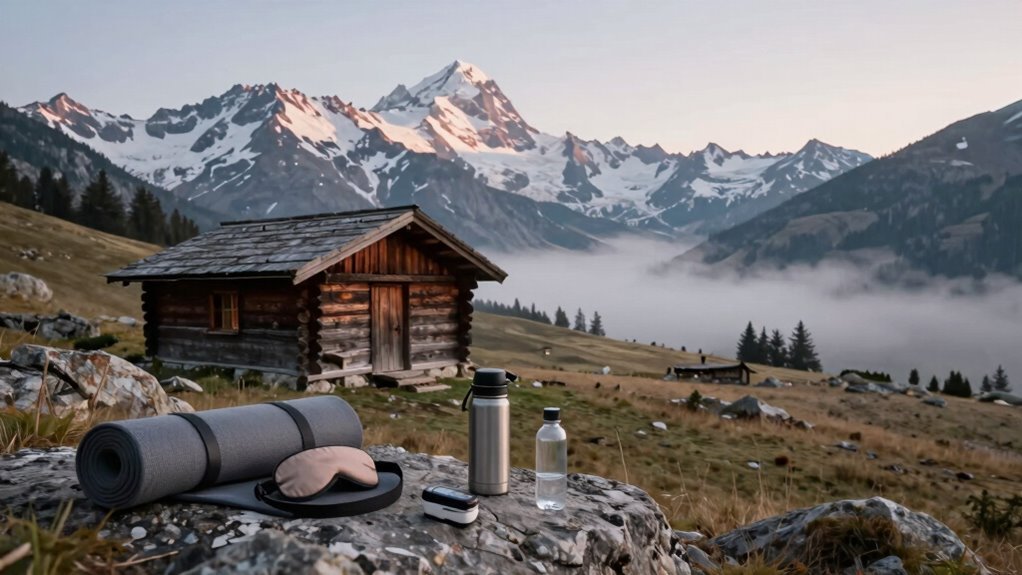
Altitude can really mess with your sleep, but don’t let that dampen your mountain spirit! As you venture higher, your sleep cycles may become disrupted, leaving you feeling like a punch-drunk boxer after a couple of nights. You might find it harder to get that all-important deep sleep, which is vital for recovery.
The first nights at altitude often bring more awakenings and shorter sleep durations, and let’s face it, nobody enjoys waking up groggier than a bear emerging from hibernation!
Older adults, in particular, might notice insomnia creeping in as altitude rises. Anxiety, along with a history of less-than-stellar sleep, can magnify the problem.
Prioritizing quality sleep isn’t just for dreamers; it’s essential for acclimatization and staying chipper throughout your adventures. So, grab that cozy sleeping bag and dream of snowy peaks—it’s key to feeling your best as you explore!
Strategies for Safe and Enjoyable High-Altitude Travel
Traveling to high altitudes brings a sense of adventure and excitement, but it also requires some smart planning to keep everything fun and safe!
To start, remember to ascend only 300-500 meters per day, and take rest days along the way. Your body needs time to adapt, just like a good wine needs to breathe! Staying hydrated is key—drink plenty of water and munch on high-carb snacks like bananas and avocados. And hey, let’s leave the alcohol behind for the first 48 hours; your head will thank you!
Keep your activity light initially, allowing your body to adjust. Monitor each other for signs of altitude sickness, because teamwork makes the dream work!
Finally, consult your healthcare provider before starting on your journey, especially if you have any existing health issues. With these strategies in mind, you’re set for a memorable adventure in the clouds!
Frequently Asked Questions
What Are Common Symptoms of Altitude Sickness in Older Adults?
When you’re at high altitudes, watch for a few pesky symptoms of altitude sickness. You might get a throbbing headache, feel nauseous, or experience some fatigue that even coffee can’t shake off!
Dizziness could sneak in, making you feel like Bambi on ice. Remember, if you notice severe headaches or shortness of breath, it’s time to take a breather. Your body’s way of saying, “Hey, let’s take it easy!”
Can Altitude Acclimatization Improve Athletic Performance for Seniors?
Think of altitude acclimatization as a workout glove for your lungs. Just like wearing a glove helps you grip better, acclimatization improves oxygen delivery and endurance.
Seniors often experience a boost in their VO2max and stamina after proper acclimatization. By spending some time at higher altitudes, you’ll notice improved performance and quicker recovery.
It’s like giving your body a friendly nudge to adapt and conquer those heights with more ease!
Should Older Travelers Avoid High Altitudes Entirely?
No, older travelers shouldn’t avoid high altitudes entirely!
Instead, you can embrace the adventure by preparing properly. Just take it slow, acclimatize gradually, and listen to your body.
Bring along plenty of water, and don’t hesitate to consult a doctor if you have health concerns.
With the right precautions, high-altitude experiences can be thrilling and rewarding—like walking on top of the world, only with a few more stops for breath!
How Does Hydration Affect AMS Risk in Older Adults?
Hydration’s like your best friend when it comes to avoiding acute mountain sickness (AMS) at high altitudes! Staying well-hydrated helps fend off those pesky symptoms like headaches and fatigue that can trick you into thinking you’ve got AMS.
But watch it—overdoing fluids can backfire, especially if your kidneys are on the fritz. So, sip wisely, find that perfect hydration balance, and keep that thirst in check, and you’ll enjoy the view without the wooziness!
What Medical Conditions Worsen With High-Altitude Exposure for Older Travelers?
High altitude’s like a sneaky villain, it can make some medical conditions creep up on you!
If you’ve got heart issues like coronary artery disease or congestive heart failure, you might feel the strain more at higher elevations.
COPD isn’t a fan of thin air either, and if you’re anemic, you could really feel the effects.
Always keep an eye on your health, ‘cause you want your travels to be memorable for the right reasons!
Conclusion
So, as you set your sights on stunning summits, remember to take it slow and savor the scenery! With smart strategies and a sprinkle of patience, you can conquer those soaring heights safely. Stay tuned in to your body’s signals, seek splendid spots for rest, and enjoy each breathtaking view. High-altitude adventures can bring pure pleasure and priceless memories, so pack your passion and prepare for a grand getaway! Happy hiking, and may your journey be joyfully jovial!