The Art of Layering: Packing Clothes for Varying Weather

The art of layering is your secret weapon for tackling any weather, and it’s easier than you think. Start with a snug, moisture-wicking base layer to keep sweat away from your skin.
Next, add a cozy mid layer for insulation — fleece, wool, or a light down piece works well. Top it with a waterproof outer layer to shield yourself from rain, wind, and snow.
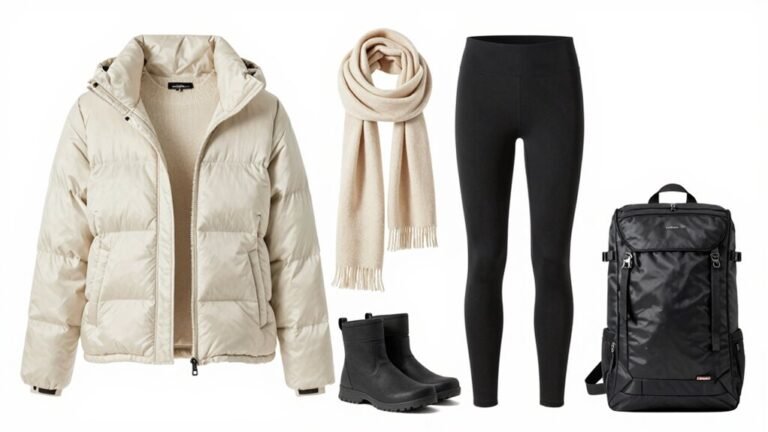
Don’t forget stylish accessories like hats and gloves to complete your look and add extra warmth. With the right mix of layers, you’ll stay comfy and chic no matter what Mother Nature throws your way.
Let’s explore more tips to master your layering game!
Understanding Layering Principles and Systems
When it comes to packing clothes for varying weather, understanding layering principles is like having your very own wardrobe superhero—ready to swoop in and save the day, no matter what Mother Nature throws your way!
You’ve got three essential layers to master: the base, middle, and outer. The base layer should hug your skin, keeping you dry by wicking away moisture. Think of it as your personal moisture ninja!
Next, the middle layer works like a cozy blanket, trapping warm air while letting you move freely. Thermal insulation is essential in this layer to ensure you stay warm. Finally, the outer shell protects against wind and rain, but don’t forget it needs to breathe!
To keep it fun, think of each layer as a quirky character in your weather-fighting team. When packing, mix and match these layers based on your activity, and you’ll be equipped for any weather challenge—no cape required!
Layering Strategies for Cold Weather Conditions
As the temperature drops and winter sets in, layering strategies become your best friends for staying warm without turning into a human marshmallow!
Start with a snug base layer made from moisture-wicking materials like merino wool or polyester. They’ll keep your skin dry and cozy, which is essential in preventing chills.
Next, add an insulating mid layer—think fleece or wool. These help trap warm air and keep you comfortable, even if the weather tries to dampen your spirits. Remember that these mid layers should breathe without adding bulk to ensure optimal comfort.
Finally, don’t forget an outer layer that’s waterproof and windproof. This acts like your reliable fortress against the elements, while still letting moisture escape.
Remember, layering doesn’t have to feel bulky. Mix and match to find what works best for you, ensuring you’re ready for whatever winter throws your way.
With this playful approach, you’ll stay warm and stylish—like a fashion-savvy snowman!
Optimizing Layers for Warm and Hot Weather
Optimizing your layers for warm and hot weather can feel like a fashion puzzle, but don’t worry—you’ve got this!
Start with thin, breathable base layers made of lightweight cotton or linen, which let air flow and keep sweat at bay. Moisture-wicking fabrics are your new best friends; they whisk away sweat, so you stay comfy and cool. Consider avoiding thick fabrics to facilitate easy outfit adjustments.
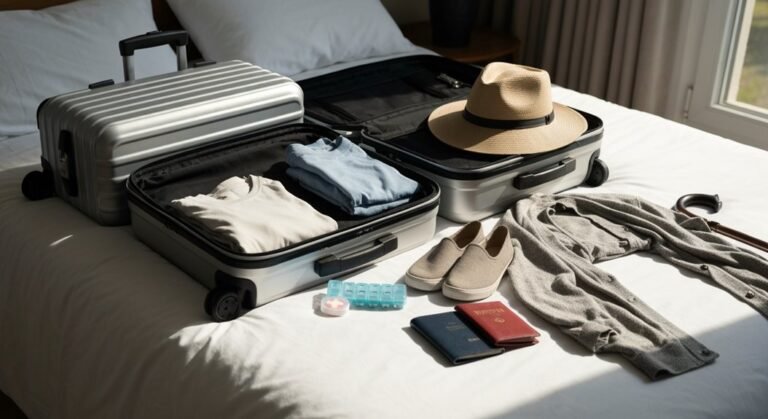
When picking middle layers, choose lightweight cardigans or kimonos that add style without making you sweat. Opt for loose fits and lengths that enhance airflow—think cropped tops with high-waisted bottoms!
Don’t forget about those stylish wide-brimmed hats and lightweight scarves for sun protection. By layering smartly and keeping it breezy, you’ll navigate the summer heat like a pro.
Effective Layering for Rainy and Windy Conditions
Even if the forecast looks like a soggy sock, you can still enjoy the great outdoors with the right layering strategy for rainy and windy conditions!
Start with a base layer made from synthetic fabrics like polyester or wool blends that wick sweat away, keeping you comfy and dry. Remember, cotton’s a no-go; it retains moisture, making you feel like a wet sponge.
For your middle layer, opt for fleece or synthetic insulation to trap warmth while staying breathable. Wind-blocking fleece is a great choice, and adding a vest can give you a cozy boost when you take breaks.
Finally, grab a lightweight, waterproof shell jacket to fend off the rain and wind. Don’t forget accessories like waterproof boots and gloves; your extremities need love too!
Adapting Layers for Variable Temperatures and Activities
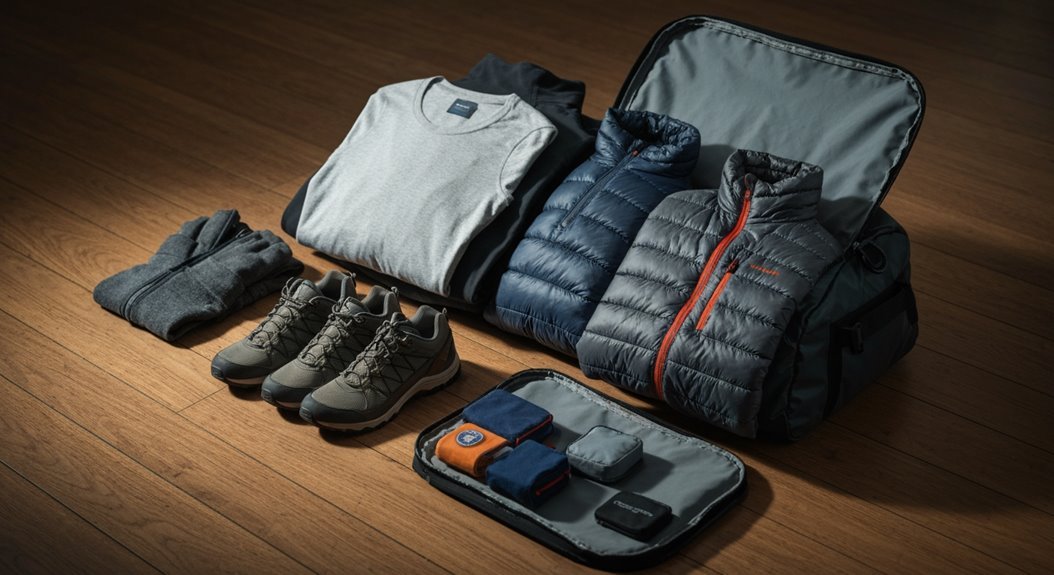
When you’re gearing up for the great outdoors, getting your layering just right can make all the difference, whether you’re hiking through the hills or enjoying a picnic in the park.
Start by choosing your base layers based on the temperature—lightweight for warm days, midweight for those chilly breezes, and heavyweight if it’s downright frigid. For cold weather, think base, mid, and an insulated shell. On milder days, you can cut back to just the base and shell.
As you switch activities, adapt your layers, too! For high-energy hikes, don’t forget moisture-wicking materials to keep you cool.
Planning to relax with a book? Toss on an extra layer for coziness. And as the sun dips, pack a lightweight insulated jacket for that surprise chill.
Always be ready to shed or add layers as your adventure unfolds; it’s all part of the outdoor fun!
Selecting the Right Materials for Each Layer
Selecting the right materials for your layers often feels like a puzzle, but don’t stress—it’s all about finding the perfect fit for your adventures!
Start with your base layer. Merino wool is a fantastic choice, keeping you warm without the smell that synthetic fibers often have. If you’re on a budget, synthetic options like polyester work wonders, though they mightn’t be as cozy as wool.
For your mid layer, go for polyester fleece; it breathes well and dries quickly, even when damp. If you’re feeling fancy, down insulation offers exceptional warmth but remember, it’s not the best in wet conditions.
Finally, your outer layer should be tough as nails! Look for GORE-TEX; it’s waterproof yet breathable, keeping you comfortable no matter the weather.
Choose wisely, and you’ll be ready for anything Mother Nature throws your way—so go on, gear up and get out there!
Essential Accessories to Enhance Your Layering System
To truly elevate your layering game, don’t forget about the essential accessories that can turn a good outfit into a great one!
Start with headwear—scarves add warmth and style, while hats shield your noggin from chilly winds or harsh sun. Don’t overlook gloves either; insulated ones keep your fingers toasty, and mittens are like a cozy blanket for your hands!
Next, consider adding a neck gaiter; it’s like a hug for your neck, versatile and breathable.
Packing a lightweight backpack is also smart—perfect for stashing those layers you peel off when the sun decides to join the party.
Finally, think about compression sacks. They’re your best friends for saving space. You’ll reduce bulk and still have room for snacks—essential for your adventures!
Frequently Asked Questions
How Do I Choose the Right Size for Base Layers?
To choose the right size for base layers, grab a flexible tape measure and check your chest, waist, and inseam. Measure around the fullest or narrowest parts—think snug but not squeezed!
If you’re between sizes, go for the larger one for comfort. Remember, a tight fit keeps you warm, but too tight restricts your moves!
Check brand size charts, as they can vary, so you look fabulous and feel great! Happy layering!
Can I Wear Cotton in My Layering System?
You can wear cotton in your layering system, but it mightn’t be the best choice!
Sure, it’s comfy for lounging, but when the weather gets rough, cotton tends to hold onto moisture like a clingy friend.
You don’t want to end up chilly and damp!
Instead, think about using moisture-wicking fabrics for better warmth and insulation.
Stick to cotton for those lazy days, and you’ll avoid any layering drama!
What to Do if I Overheat While Layered?
If you find yourself overheating while layered, don’t panic!
Start by loosening or removing your outer layers to let that trapped heat escape. Unzip your jacket for a quick ventilation boost, too.
If you can, seek out shade or a cooler spot.
Splash some water on your skin; it’ll help you cool down fast!
Just remember, it’s all about keeping your cool—literally!
How to Clean and Maintain Layered Clothing?
To clean and maintain your layered clothing, treat it with care like it’s a delicate dance partner!
Wash in cold water, using gentle cycles for fragile fabrics, so they don’t lose their charm. Avoid the bleach brigade—mild detergents are your friends!
Air dry knits flat to keep their shape, and don’t wash too often; your pieces like to take the occasional breather.
Are There Specific Brands Known for Quality Layering Gear?
Brands like Smartwool and Brynje make fantastic base layers that’ll keep you cozy without the bulk.
For mid-layers, Patagonia’s R1 is popular for a reason—it’s like wearing a warm hug!
If you’re in the market for outerwear, Mountain Hardwear’s Ghost Whisperer is a top pick.
Don’t forget about rain gear; Zpacks offers incredible lightweight options.
Conclusion
So, there you have it! Packing for varying weather doesn’t have to feel like preparing for a moon mission, I promise! With a little know-how on layering, you can tackle any climate like a pro. Whether it’s cold, hot, or rainy, you’ll be ready for whatever Mother Nature throws your way. Just remember, the right combination of layers keeps you cozy and stylish—making you the ultimate weather warrior. Now, let’s turn those adventures into unforgettable memories!