How to Choose the Right Luggage as a Senior Traveler

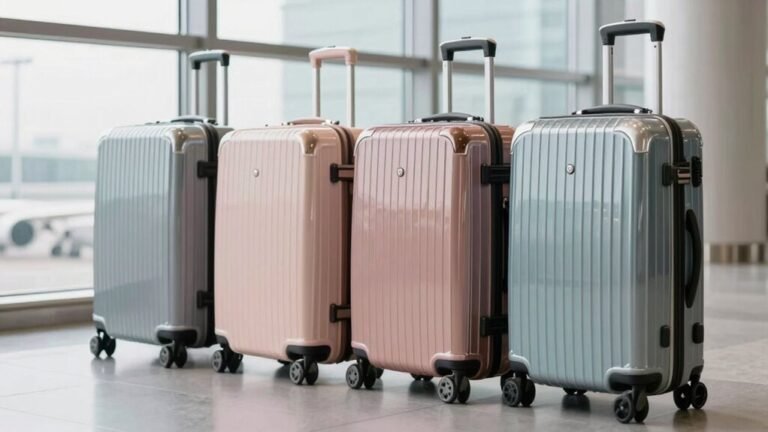
To choose the right luggage as a senior traveler, start by checking carry-on size limits—typically 22 x 14 x 9 inches for U.S. airlines. Knowing these dimensions helps you avoid gate-checking and reduces stress at the airport. Additionally, consider investing in lightweight luggage that is easy to maneuver, as this can make your journey more comfortable. Always prioritize senior travel packing essentials, such as medications, travel documents, and comfortable clothing, ensuring they are easily accessible during your trip. Lastly, opt for luggage with multiple compartments to help keep your items organized and within reach. Additionally, hardside luggage advantages for seniors include enhanced protection for fragile items and greater durability against wear and tear. This type of luggage often features built-in locks, providing an extra layer of security for valuables. Choosing hardside options can also mean fewer worries about damage during transit, allowing for a more enjoyable travel experience.
Opt for bags with 360-degree spinner wheels for easier maneuverability. Adjustable telescoping handles make pushing or pulling the bag more comfortable and reduce strain on your arms and back.
Make certain the luggage is lightweight, ideally between 15 to 22 pounds, so lifting it into overhead bins is simpler. Pack efficiently with medications and snacks accessible in an external pocket or a small carry pouch.
Finally, consider features that enhance mobility and organization, such as multiple compartments, reinforced handles, and easy-to-reach zippers. These choices will make travel smoother and more enjoyable.
Understanding Carry-On Size and Weight Limits
When you’re preparing to travel, knowing the size and weight limits for carry-on luggage is essential. Most U.S. airlines permit carry-ons measuring up to 22 x 14 x 9 inches, which includes wheels and external pockets. International flights may have slightly smaller allowances, such as 21.5 x 15.5 x 9 inches. While many U.S. airlines don’t enforce strict weight limits, travelers should aim for a range of 15 to 22 pounds for easier handling. Some airlines may check carry-on weights at boarding. Airlines also review bags using size checkers to verify compliance. Most passengers are allowed one carry-on and a personal item, which typically measures about 18 x 14 x 8 inches. Additionally, it’s important to remember that maximum linear dimensions may apply, summing length, width, and depth of your carry-on. Always check specific airline policies before traveling.
Enhancing Mobility With the Right Bag Design
Selecting luggage designed for easy maneuverability can greatly impact your travel experience. Look for bags with multi-directional 360-degree rotating wheels to navigate crowded spaces.
Four-wheel spinner luggage requires less effort to push or pull, which is ideal if you have limited strength. Choose luggage with rubber, wear-resistant wheels; they glide smoothly on various surfaces, improving comfort.
Telescoping handles adjustable to different heights prevent back strain and enhance your grip. Ergonomic handles distribute weight evenly, reducing strain for those with arthritis. Additionally, opting for lightweight options ensures that your luggage won’t become an additional burden while traveling.
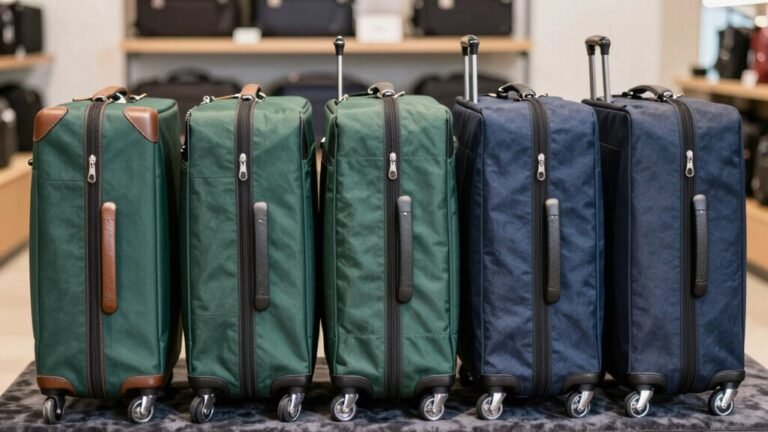
Lightweight construction, using materials like 600D Oxford fabric, notably reduces physical exertion.
Finally, secure zippers and handy compartments simplify packing and accessing essentials, fully supporting your mobility needs while traveling.
Packing Efficiently for Senior Needs
Efficient packing is essential for senior travelers aiming to maintain comfort and accessibility during trips. Start by packing all prescription medications and essential vitamins in your carry-on. Include a small travel health kit with pain relievers, eye drops, and first-aid supplies. Additionally, make sure to keep medications in original containers with clear labels for easy identification. Consider including a photocopy of your prescriptions and a list of all medications in case of emergencies. Familiarize yourself with lost luggage recovery strategies to minimize stress if your bags are delayed or misplaced. Always have a backup plan for obtaining necessary items quickly while traveling.
Choose lightweight, breathable fabrics like cotton; pack layers to adapt to changing temperatures. Use packing cubes to optimize space and organization. Prioritize short sleeves and add a light sweater for versatility. Wear bulkier items, such as jackets, during travel to save space. Pack comfortable shoes with good support, ensuring easy closures like Velcro.
Finally, keep snacks and chargers in accessible outer pockets for convenience, facilitating ease during layovers and travel delays.
Navigating Security and Screening With Ease
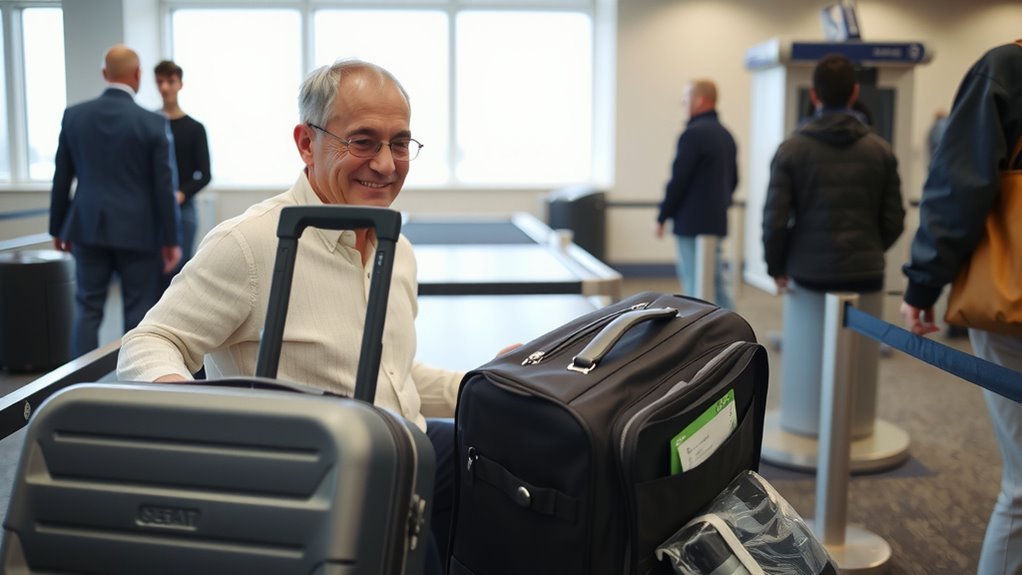
Maneuvering through security and screening at airports can often be an intimidating process, especially for senior travelers.
Seniors aged 75 and older qualify for expedited screening; you can keep your shoes and light jackets on. Use a TSA Notification Card to communicate any medical conditions discreetly. If you need assistance, request a Passenger Support Specialist trained to help those with disabilities.
Declare any medically necessary liquids exceeding 3.4 oz. at the checkpoint to avoid complications.
If you’re using mobility aids like canes or walkers, they’ll undergo inspection, so be ready to remove any attached bags. Always inform TSA of your mobility limitations to receive appropriate accommodations during screening.
Prioritizing Medical and Safety Preparations
Preparing for travel as a senior involves more than just booking flights and accommodations; it’s about ensuring your health and safety throughout the journey.
Focus on thorough medical and safety preparations:
- Schedule a doctor’s visit 6–8 weeks prior to your trip for an assessment.
- Pack medications in original containers, plus a detailed list of prescriptions and dosages.
- Arrange mobility aids, ensuring they’re functional and compatible with your travel.
- Carry legal documents, emergency contacts, and travel insurance information.
Prepare a first aid kit, including essentials for specific conditions, and research emergency services at your destination.
Evaluating Travel Trends Impacting Senior Luggage Choices
Evaluating travel trends impacts your luggage choices, especially as a senior traveler.
Smart features are a priority; 38% of travelers prefer luggage with technology like built-in USB ports and GPS tracking. This technology alleviates concerns about baggage mishandling.
Sustainability matters too; demand for eco-friendly luggage has increased by 21%. Choices like recycled polycarbonate and organic fabrics balance durability with lightweight design.
Consider weight reliability; expandable bags weigh under 10 pounds, offering ample space for essentials.
Aesthetic trends lean towards minimalist designs, focusing on neutral colors for timeless appeal.
Finally, secure features such as TSA locks and theft-proof designs enhance safety, protecting your belongings during transit.
Prioritize these trends for smarter selections tailored to your needs.
Frequently Asked Questions
What Types of Luggage Materials Are Most Durable for Senior Travelers?
For maximum durability, consider polycarbonate and ballistic nylon.
Polycarbonate offers exceptional impact resistance, remaining lightweight; carry-ons weigh around 4 pounds. Check around 32 inches, and expect it to weigh approximately 8-9 pounds.
Ballistic nylon provides excellent tear and abrasion resistance, combined with reinforcing components for increased durability.
Both materials guarantee protection against travel mishaps, making them ideal for longevity and resilience during your trips.
How Can I Identify Lightweight Luggage Options for Easier Handling?
To identify lightweight luggage options, first check the weight specifications—aim for bags under 5 lbs to guarantee easier handling.
Consider materials like ultra-light softside fabrics or durable hard shells, which balance lightness and sturdiness.
Look for luggage with high-quality, smooth-rolling wheels to minimize strain while maneuvering.
Finally, opt for ergonomic handles that distribute weight evenly, reducing effort and enhancing comfort during your travels.
This combination will greatly ease your experience.
Are There Specific Brands That Cater to Senior Travelers’ Needs?
You’ll find Tumi and TACH Luggage cater specifically to senior travelers.
Tumi offers premium quality with lifetime guarantees, emphasizing durability and security features like TSA-approved locks.
TACH focuses on lightweight designs, reducing strain while maintaining high standards.
Both brands feature ergonomic handles and easy-access compartments, facilitating convenient handling.
Prioritizing security and comfort, these choices guarantee that your travel experience is pleasant without compromising on necessary functionality or style.
How Do I Choose Luggage With Good Warranty and Return Policies?
To choose luggage with good warranty and return policies, prioritize brands offering extensive or unconditional lifetime warranties, like Eagle Creek or Red Oxx.
Review the return policies; one-year unrestricted returns are ideal for flexibility.
Look for clear conditions attached, focusing on manufacturing defects versus wear and tear.
Evaluate tiered warranty systems, ensuring that the specific model provides adequate coverage.
Finally, check if the brand supports repairs or replacements efficiently.
What Accessories Can Enhance the Functionality of My Luggage?
Packing cubes compress clothing, maximizing space by up to 30%. Lightweight organizers separate items for easy access.
Water-resistant compartments safeguard toiletries, while quick-access pockets secure essential documents. Ergonomic handles reduce hand fatigue, making transport easier.
Additionally, smart luggage trackers monitor your bag’s location, providing peace of mind. Portable medication organizers keep prescriptions sorted, ensuring easy identification during travel.
These accessories greatly improve efficiency and comfort on your journeys.
Conclusion
Choosing the right luggage as a senior traveler can feel like selecting the perfect hiking boots for a trail. You need durability, comfort, and appropriate size. Opt for lightweight, expandable bags that fit within airline regulations. Remember to prioritize mobility features, like wheels and handles, for easier transport. Finally, consider your health and safety needs when packing. By selecting the right luggage, you guarantee your travel experience is smooth and enjoyable, allowing you to focus on your journey. In addition, be on the lookout for luggage innovations for senior travelers, such as bags with built-in charging ports or GPS tracking. These features can enhance your travel experience by providing convenience and peace of mind. Ultimately, the right luggage not only supports your practical needs but also enriches your adventures as you explore new destinations. Additionally, think about using packing organizers or cubes to keep your belongings neat and accessible, which can also aid in managing luggage for seniors. Prioritizing easy-to-reach compartments can minimize the strain of bending or reaching, enhancing the overall travel experience. Ultimately, well-thought-out luggage choices can greatly reduce stress and make each adventure more memorable.