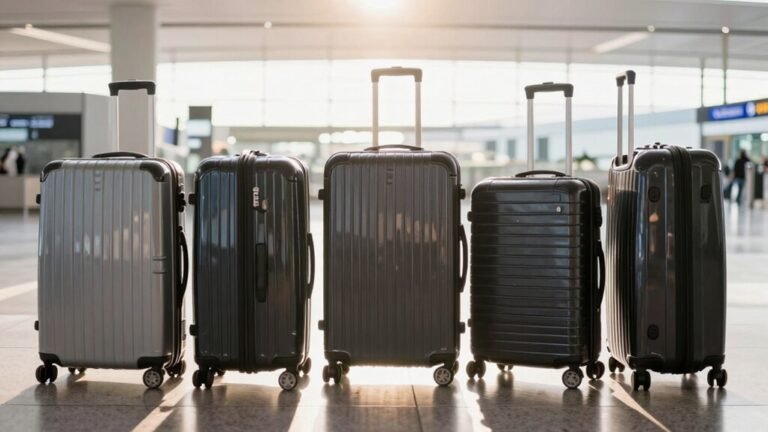
Airline Baggage Rules: A Guide for Senior Travelers
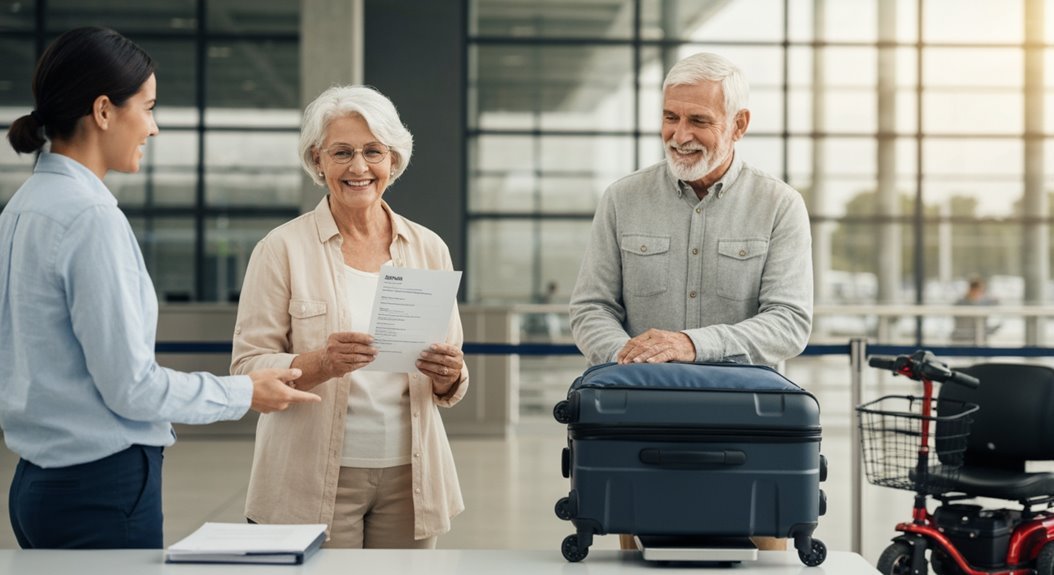
Airline baggage rules can feel like a juggling act for the senior traveler, but it doesn’t have to be that way. With the new 2026 carry-on size limits and weight restrictions, packing smartly becomes essential to avoid surprises at the gate. To navigate these changes smoothly, understanding essential packing tips for seniors can make all the difference. Prioritizing lightweight, versatile clothing and utilizing compression bags can help maximize space while ensuring everything needed fits within the new guidelines. Additionally, always double-check your airline’s specific policies, as they can vary significantly between carriers.
Checked bag fees and overweight charges can add up quickly, so weigh your luggage at home before you leave. A small digital scale is inexpensive and helps you stay within airline limits.
Luckily, seniors often have special TSA allowances and other travel conveniences that can make the journey easier. Knowing those perks ahead of time helps reduce stress on travel day. Additionally, many airlines offer discounts and priority boarding for seniors, allowing for a smoother travel experience. It’s also beneficial to consider luggage features for senior travelers, such as lightweight designs and easy-grip handles, which can make maneuvering through airports much simpler. By planning ahead and utilizing available resources, seniors can travel with greater ease and confidence.
Stick around to uncover more helpful tips for a smooth trip, from choosing the right suitcase to packing essentials that keep you comfortable and compliant with airline policies.
New TSA and Airline Baggage Regulations in 2026
As you gear up for your next adventure, it’s essential to know that starting in 2026, the TSA and airlines are shaking things up with some new baggage rules.
First off, carry-ons will have a universal size limit of 22 x 14 x 9 inches, and no one’s getting a free pass on weight—expect restrictions from 8 to 10 kilograms! Automated weigh-in systems will be introduced at check-in kiosks and boarding gates to ensure compliance.
That means those oversized backpacks? They might just become gate-checked friends.
Plus, personal items must be smaller—think 18 x 14 x 8 inches—so don’t pack your beach umbrella!
Automated weigh-in systems will be everywhere, catching sneaky bags that don’t fit the criteria.
Key Airline Fees Affecting Seniors
With the new baggage regulations coming along in 2026, it’s more important than ever to stay on top of airline fees that can catch you off guard, especially as a senior traveler.
First checked bag fees for U.S. airlines are usually between $35 and $40, while a second can set you back around $45. If your bag’s feeling a bit heavy, brace yourself—overweight fees can range from $100 to a whopping $450! Additionally, many airlines are implementing increased baggage fees which may affect your travel plans.
And don’t forget about those pesky carry-on charges, particularly if you’ve booked a Basic Economy fare. While most airlines don’t offer senior discounts, a few clever strategies can help you lower those costs.
Challenges and Risks for Senior Travelers
Traveling can be a thrilling adventure, but for senior travelers, it often comes with its own set of challenges and risks, especially when it comes to health and mobility.
If you have health issues like cardiovascular conditions or fatigue, soaring at 8,000 feet can feel like an uphill climb. Plus, accessibility problems can make traversing airports a real maze—those signs can be like hieroglyphics! 63% of older adults prioritize travel and vacations as their top discretionary spending goal.
And don’t get me started on the potential damage to wheelchairs—yikes!
Finally, let’s not forget those pesky financial barriers; sometimes, your travel dreams hit a brick wall because of costs.
But hey, with some planning and a sense of humor, you can tackle these hurdles and enjoy your next adventure!
Special TSA Allowances for Seniors
Many seniors don’t realize how the TSA has special rules just for them, making airport security a bit less intimidating.
If you’re 75 or older, you can leave your shoes, belts, and jackets on during screenings—how convenient is that?
If a metal detector beeps, you get a second chance before extra screening, so don’t sweat it!
You can even self-identify to TSA agents for quicker processing.
Don’t like standing? No worries! You can be seated during pat-downs for comfort.
Some airports even have dedicated lines for seniors during busy times.
It’s all about making your travel experience smoother.
Tips to Avoid Extra Fees and Lost Luggage
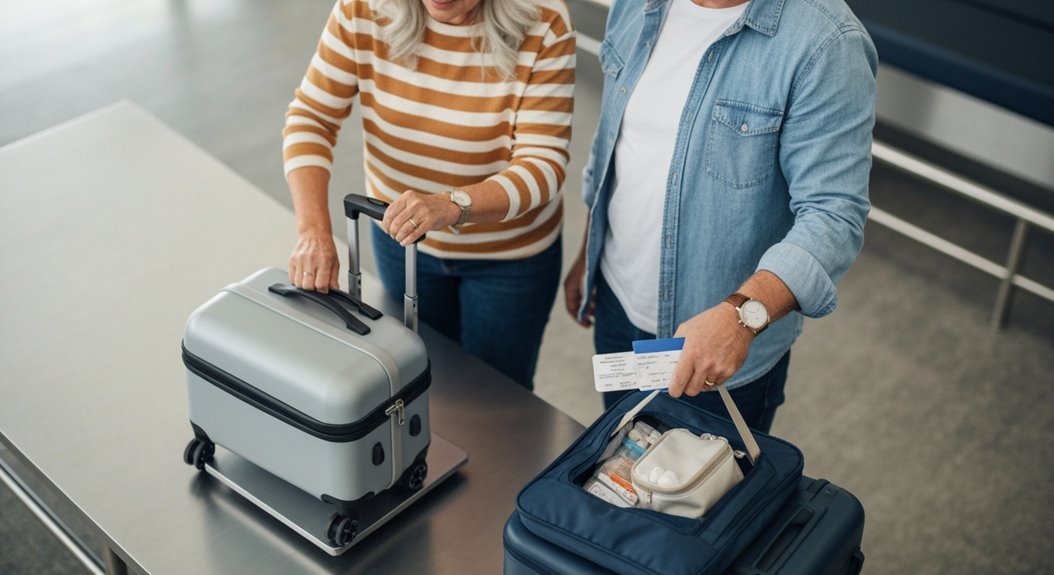
Finding your way through the airport can feel like a maze, but knowing the right strategies can help keep your wallet happy and your luggage safe.
First things first, pay for checked bags online—do it at least 24 hours before your flight! Fees sneak up fast at the airport, and you definitely don’t want to pay a small fortune. Remember to weigh your bags at home to dodge those dreaded overweight charges.
Use TSA-approved locks and tag your luggage with contact info, just in case it decides to take a vacation without you.
And hey, keep your valuables in your carry-on; you’ll feel much better knowing they’re with you.
Let’s make travel stress-free and fun!
Best Practices for Packing and Luggage Selection
When you’re gearing up for a trip, picking the right luggage and packing it smartly can make all the difference, ensuring a smoother journey.
Opt for wheeled luggage with four spinner wheels—trust me, your back will thank you! Telescoping handles that adjust to your height can save you from awkward bending. Choose hard-shell bags for extra protection against the baggage handlers.
Now, let’s roll—literally! Rolling your clothes saves space and cuts down on wrinkles. Packing cubes keep things organized, while heavier items should sit at the bottom for balance.
Don’t forget your essentials in the carry-on, like meds and important documents. Finally, layer up for the flight, and save that suitcase space.
Happy travels!
Recommended Travel Strategies for Seniors
Packing smartly is just the beginning of a fantastic travel experience, and as a senior traveler, there are plenty of strategies that can help you make the most of your adventures.
Start by planning your trips during off-peak seasons to avoid crowds, ensuring you have a more relaxed journey. With 46% of you considering flying, check for senior discounts to save on travel.
Don’t forget to budget! The average senior traveler plans to spend around $4,864.
When packing, consider your unique needs—be it mobility aids or extra cozy socks! And remember, it’s perfectly okay to travel solo; it can lead to fantastic discoveries.
Important Health Considerations While Traveling
Traveling can be an exhilarating adventure, but it’s important to keep your health in mind, especially as a senior. Before you jet off, get a medical clearance if you’ve had recent heart issues or severe asthma—flying isn’t your friend in those situations!
Once aboard, don’t forget to stretch those legs; DVT is no joke, and a little movement can go a long way. Stay hydrated, too—water is your travel buddy! Plus, consider those compression stockings; they can work wonders!
And hey, a travel insurance plan that covers medical emergencies? Definitely a smart idea!
With a little bit of planning, you can enjoy your trip while keeping health worries at bay—travel smart, not stressed!
Resources for Senior Travelers
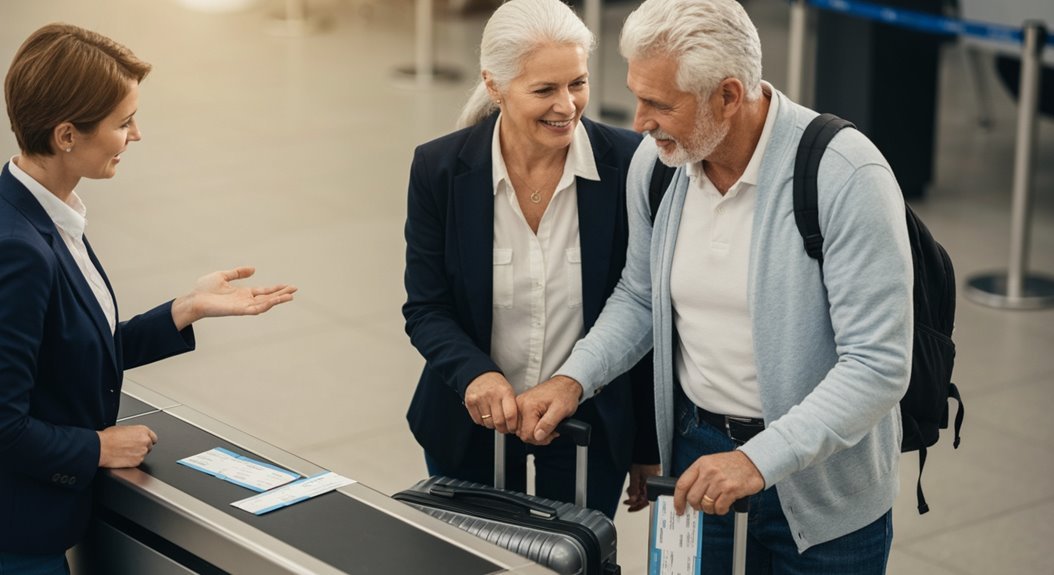
Staying healthy while on the go is just the beginning of your travel preparations; there are so many resources out there tailored specifically for senior travelers like you!
Grand Circle Travel and Trafalgar Tours create wonderful senior-friendly journeys that’ll keep you comfortable while exploring new destinations. If you adore learning, check out Road Scholar for engaging educational trips.
Don’t forget to snag discounts through sites like the AARP Travel Center or use Skyscanner to compare prices.
Need mobility assistance? Wheel the World has you covered!
Plus, some apps like TripIt and Google Maps can keep your travel plans organized and help you navigate effortlessly.
With these resources at hand, you’re all set for your next adventure!
Frequently Asked Questions
Can I Bring My Medical Devices in Carry-On Luggage?
Absolutely, you can bring your medical devices in your carry-on!
Most airlines allow items like inhalers, insulin pumps, and even wheelchairs without extra fees.
Just make sure they fit the size limits and carry a label that shows they’re FAA compliant.
If you’re bringing a portable oxygen concentrator, give the airline a heads up, as they might need 48 hours’ notice.
Now you’re all set to travel worry-free—happy flying!
How Can I Request Assistance for Mobility at the Airport?
Requesting mobility assistance is as easy as pie!
Just let your airline know when you book your ticket or online. You’ll want to do this at least 48 hours ahead for guaranteed help.
When you arrive, look for the “special assistance requested” note in your reservation. They’ll provide wheelchairs, gate escorts, and plenty of support, so you’re not left in the dust.
Just sit back and relax; they’ve got your back!
Are There Age-Related Discounts or Benefits for Senior Travelers?
As a senior traveler, you can snag some fantastic discounts and benefits.
Most airlines offer discounts for travelers 65 and older, although some start at 55. You might enjoy savings anywhere from 5% to 55% off base fares!
Plus, benefits like free wheelchair assistance, early boarding, and even priority seating can make your journey smoother.
What’s the Best Way to Label Luggage to Avoid Loss?
Did you know about 1 in 10 bags goes missing during air travel?
To avoid being “bagless,” label every piece of luggage with high-quality tags featuring your name, phone number, and email. Use bright colors to make them stand out, and stick them on flat sides, not handles.
Also, stash a copy of your contact info inside! That way, if your suitcase goes on its own adventure, it can find its way back to you!
Can I Take Food or Drinks on the Plane as a Senior Traveler?
Absolutely, you can take food and drinks on the plane! Just stick to liquids and gels in containers of 3.4 oz or less. Great snacks like nuts and crackers? You’re good to go!
But watch out for those homemade meals—they might get a closer inspection by security.
And hey, leave those soda cans behind; bloating at 30,000 feet isn’t the best travel companion. Enjoy your flight, and snack happy!
Conclusion
Traveling as a senior doesn’t have to be a hassle. With a little planning and knowledge of the latest baggage rules, you can breeze through the airport like a pro! Remember, a well-packed suitcase is your best friend, and knowing your rights can save you from pesky fees. Embrace the adventure, keep those essentials handy, and you might just discover that steering through travel can be as easy as pie. So grab your passport and happy travels! Consider looking into shipping luggage for seniors, as this option can alleviate the burden of carrying heavy bags through the airport. This service allows you to travel light and enjoy your journey without the hassle of checking in bulky suitcases. With a little extra organization, you’ll feel like you’re on a relaxing vacation from the moment you leave home. In addition to careful packing, familiarize yourself with tips for dealing with lost luggage, as this can make a stressful situation much more manageable. Always keep a copy of your itinerary and essential items in your carry-on to ensure you have what you need while waiting for your bags. With the right mindset and a few helpful strategies, you can turn any travel hiccup into an opportunity for adventure!