Carry-On Only: Packing Light Tips for Seniors
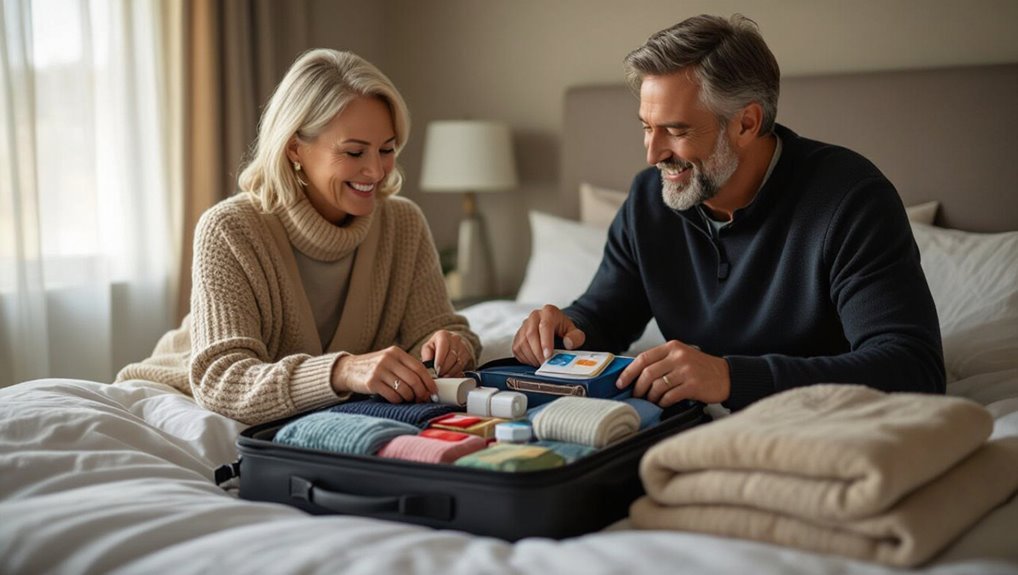
Packing Light Tips for Seniors can make travel easier and more comfortable. Choose a lightweight carry-on under 2.7 kg that measures about 22 x 14 x 9 inches to meet most airline limits and reduce strain when lifting.
Pick durable materials like polycarbonate or ballistic nylon for longer-lasting luggage. Pack versatile clothing in neutral colors so pieces mix and match easily, and choose breathable fabrics for comfort in varying climates.
Use packing cubes to maximize space and keep items organized. Roll clothes to minimize wrinkles and save room for essentials.
Prioritize smart footwear that’s both lightweight and supportive to protect your feet during long days. Organize medications in clearly labeled containers for quick access and safety.
Explore additional essential travel items and techniques that enhance your travel experience and help you stay comfortable on the go.
Selecting the Right Carry-On Luggage
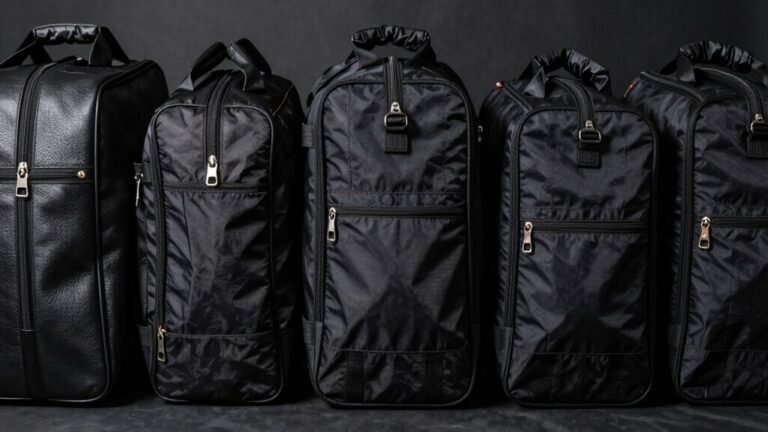
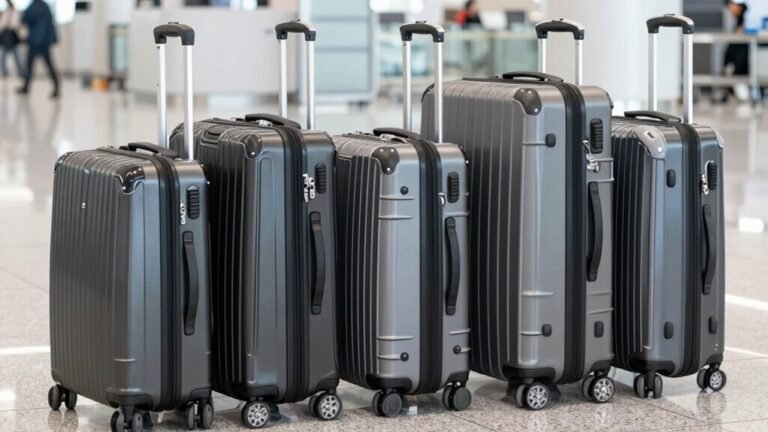
When choosing carry-on luggage, you should prioritize lightweight materials, such as polycarbonate or ballistic nylon, which weigh less than 2.7 kg. These materials greatly reduce physical strain, especially for seniors with limited mobility. Aim for standard carry-on dimensions of 22 x 14 x 9 inches to guarantee proper fit in overhead bins. Consider rolling backpacks or compact spinner bags for ideal storage without excess bulk. Look for expandable compartments for added flexibility. Spinner wheels enhance maneuverability across various surfaces, while telescoping handles reduce back strain. Lightweight luggage provides ample storage space, allowing you to pack everything you need without excess weight. Interior organizational pockets can keep your essentials easily accessible. Brands like Samsonite and Travelpro offer durable models that combine lightweight features with reliability. Choose wisely to simplify your travel experience.
Versatile Clothing Choices for Every Occasion
Packing light involves not only careful selection of luggage but also meticulous planning of your wardrobe. Start by coordinating colors; pack one or two rich neutrals, like navy or khaki, complemented by a bright hue. This approach maximizes outfit combinations while minimizing bulk.
Choose breathable fabrics, such as cotton or linen, to guarantee comfort and adaptability to temperature changes. Incorporate multifunctional pieces, like jumpsuits or versatile dresses, which can shift from day to evening. Research local clothing customs to ensure that your selections are suitable for the destination’s cultural norms.
Essential bottoms, including lightweight pants and a skirt, in neutral colors allow for diverse pairing. Limit accessories to items like scarves, which serve multiple roles, and select one or two pairs of shoes that meet practical needs, making sure you stay stylish yet functional throughout your travels.
Maximizing Space With Packing Techniques
Maximizing space within your luggage is essential for efficient travel. Use packing cubes to compress clothes, potentially saving you up to 30% of space. Separate clothing by type for easy access, guaranteeing organization. Water-resistant compartments protect toiletries and electronics from spills. Rolling clothes tightly reduces wrinkles and creates a more compact package than folding. Fit rolled garments neatly into packing cubes or bags, optimizing suitcase volume. Layering allows you to adapt without bulk, so opt for lightweight fabrics. Safety and comfort during travel is enhanced by packing thoughtfully, ensuring that you have everything you need for a seamless journey. Select lightweight luggage with sturdy wheels for easy mobility. Place heavier items at the bottom for stability, and use clear plastic bags to keep small items visible. These techniques guarantee you maximize every inch of your luggage space effectively.
Smart Footwear and Outerwear Decisions
Selecting the right footwear and outerwear greatly influences your travel experience. Prioritize lightweight shoes with strong arch support, breathable materials, and roomy toe boxes, accommodating senior foot concerns such as swelling. Pack one to two pairs; wear your heaviest pair during transit to save space. Consider options like the Lems Primal Eco for minimal bulk.
For outerwear, employ layering strategies with base layers designed to wick moisture, lightweight fleece, and waterproof coats for variable climates. Select clothing in light fabrics, like cotton and linen, facilitating easy mixing and matching.
Dual-purpose shoes can serve both casual and dressy occasions, while slip-on designs enhance convenience during travel. These choices optimize comfort and adaptability, improving your overall journey.
Organizing Travel Health Essentials
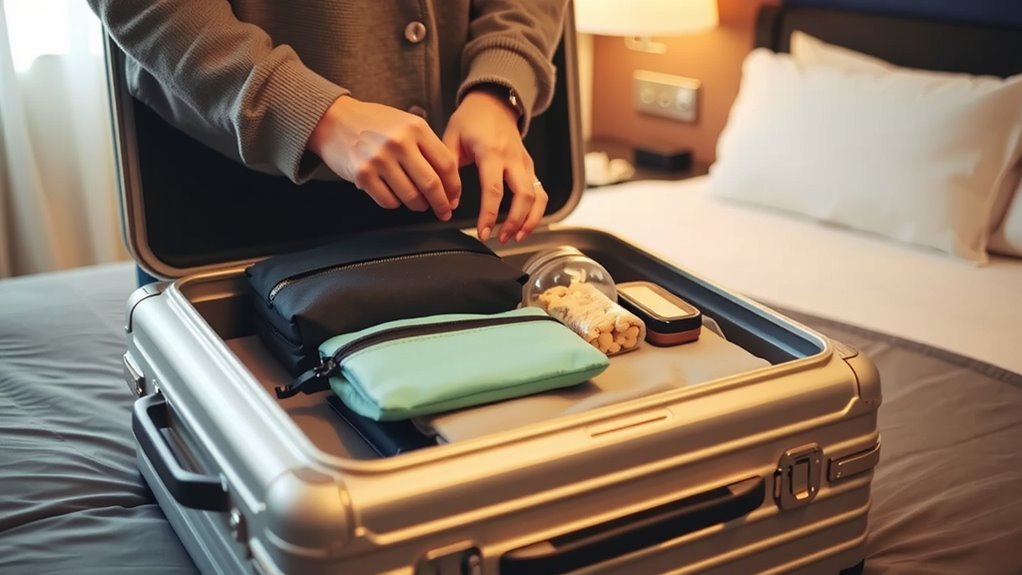
When organizing your travel health essentials, it’s crucial to prioritize effective medication management. Pack medications in their original containers to maintain clear labels. Carry a detailed list of all medications, including generic names, dosages, and timing. Bring extra doses for 3-5 days to handle travel delays. Store all medications in your carry-on for easy access.
In addition, include compression socks if your journey exceeds four hours. These reduce the risk of deep vein thrombosis (DVT).
Pack a travel-sized first aid kit with band-aids, antiseptic wipes, and pain relievers. Don’t forget personal hygiene items like hand sanitizer and incontinence supplies.
Document Management for Seamless Travel
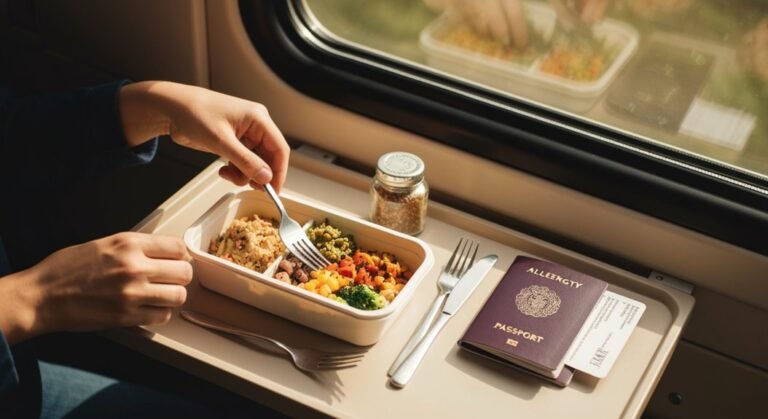
Effective document management is essential for seamless travel, especially for seniors. Start by packing your travel itinerary, including flight numbers and confirmation details. Carry medical insurance cards with provider contact info.
Make copies of your passport, storing them separately from the originals to prevent loss. Keep credit card company contact information for fraud reporting.
Organize medications in their original containers, labeled clearly. Maintain written lists of medications for replacements.
Store digital copies of these important documents securely online for easy access. Use water-resistant compartments within your luggage to protect documents.
Divide storage locations among your bags to minimize the risk of losing everything simultaneously. Regularly review and update these documents before departure for a stress-free experience.
Destination-Specific Packing Considerations
Packing for different destinations requires understanding local climates and activities, guaranteeing you have the right gear without overloading your luggage.
Warm-Weather Destinations
Choose lightweight fabrics like cotton and linen for comfort. Include a hat, sunglasses, and swimsuit for sun protection; these items occupy minimal space.
Opt for sleeveless dresses that layer easily to create long-sleeve options, maximizing versatility. Roll clothes instead of folding to save up to 30% space.
Cold-Weather Destinations
Wear your heaviest items—like sweaters and boots—during travel. Layer lightweight long-sleeve tops for flexibility and pack a light sweater for cool evenings.
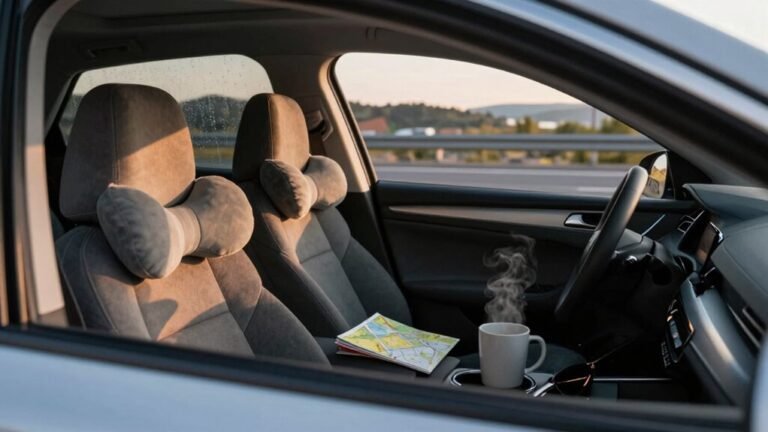
Use scarves for warmth and style. Ergonomic neck pillows guarantee travel comfort without taking up much space.
Selecting destination-specific items aids in efficient packing and enhances your travel experience.
Utilizing Accessories for Outfit Flexibility
To enhance your travel wardrobe, consider incorporating versatile accessories that elevate both style and function.
These items can help you adapt to varying conditions and provide outfit variety without adding bulk.
- Scarf: Use a multifunctional scarf that works as a wrap for warmth or sun protection, and can even double as a pillow during travel.
- Crossbody Bag: Opt for a lightweight, secure crossbody bag with hidden zippers, ensuring practicality while balancing your look.
- Layering Piece: Include a packable jacket or lightweight cardigan that fits easily in your luggage, providing additional warmth and style flexibility without occupying much space.
These accessories maximize your outfit choices and keep your travel wardrobe efficient.
Shipping Heavy Items Ahead of Time
Traveling can be cumbersome, especially when it comes to managing heavy luggage. Consider using dedicated luggage shipping services like ShipGo or Luggage Forward. They pick up and deliver items directly from your home or hotel.
You can ship carry-ons, checked bags, or even sports equipment without adhering to strict airline weight limits. For example, My Baggage allows up to 66 lbs per suitcase. This service avoids excess baggage fees and reduces the risk of lost luggage.
Online booking is straightforward, with options for same-day pickups or scheduling up to 180 days in advance. Additionally, you’ll enjoy real-time tracking and on-time delivery guarantees, ensuring a stress-free travel experience.
Pre-Travel Checklist for Seniors
A well-organized pre-travel checklist can guarantee seniors have a smooth and enjoyable journey.
Start by gathering essential documents like your passport, travel insurance details, and emergency contact list.
Then, focus on managing medications; make certain you have all prescription medications in labeled containers and any necessary doctor’s letters.
Finally, include comfort items for travel.
Here’s a quick checklist:
- Essential Documents: Passport, insurance, tickets, emergency contacts.
- Medications: Prescription meds, over-the-counter remedies, doctor’s notes.
- Comfort Items: Travel pillow, compression socks, earplugs.
Review this list before you leave to make sure everything is packed, minimizing stress and enhancing your travel experience.
Frequently Asked Questions
How Do I Choose the Best Travel Insurance for My Trip?
To choose the best travel insurance for your trip, evaluate coverage for preexisting conditions, medical expenses, and emergency evacuations.
Look for policies that offer at least $100,000 in medical coverage and $250,000 for evacuation.
Verify age eligibility fits your needs, as some insurers limit coverage for seniors.
Compare benefits like trip cancellation and 24/7 support.
Finally, review customer service quality and plan customization options to tailor coverage effectively.
What Are the Best Ways to Manage Medication Schedules While Traveling?
To manage medication schedules effectively, consult your healthcare provider pre-trip. They’ll help determine if you should stick to home or destination time zones.
Use a pill organizer for daily doses, and employ alarms or apps to remind you when to take medications. Keep a detailed log or checklist for doses, and communicate your schedule with travel companions to prevent missed intakes.
Prioritize organizing your medications for easy access throughout your journey.
Are There Age-Specific Travel Discounts or Benefits Available?
Age-Specific Travel Discounts
Yes, age-specific travel discounts are available. Airlines like United and Delta offer senior fares for travelers aged 65 and older.
Hotels such as Marriott provide discounts for guests aged 62+, while Best Western caters to those 55 and up.
Car rentals from Avis and Budget extend savings to seniors, often 50+, and cruise lines frequently offer benefits for age 55 or older.
Always inquire directly, as many discounts aren’t advertised.
How Can I Stay Connected With Family While Traveling?
To stay connected with family while traveling, schedule regular check-ins through phone calls or video chats.
Share your travel itinerary with them to guarantee they know your whereabouts. Use text messaging for quick updates or reminders.
Consider accessible communication tools, like simplified apps, for ease. Focus on short, intentional conversations to enhance connection quality.
Prioritize timely communication, aligning your schedule with family routines to minimize disruptions and foster reliability.
What Are Some Tips for Managing Travel-Related Anxiety?
Managing Travel-Related Anxiety
You’re not alone in feeling anxious while traveling. Start by creating a detailed itinerary; this minimizes uncertainty and sets expectations.
Allow extra time for changes; rushing amplifies stress. Address health concerns by consulting your doctor before your trip.
Consider involving professional support, such as travel agents familiar with senior needs. Implement coping strategies from therapists, focusing on relaxation techniques.
Taking these measures helps you travel more comfortably and confidently.
Conclusion
To sum up, packing light enhances your travel experience. Interesting data shows that 88% of travelers using carry-ons save time at airports, eliminating check-in delays. By selecting the right luggage, using versatile clothing, and prioritizing essentials, you can navigate any destination efficiently. Remember to maximize space with smart packing techniques and minimize the weight of your footwear and outerwear. By following these guidelines, you’ll travel more comfortably and enjoyably, without the hassle of heavy bags.