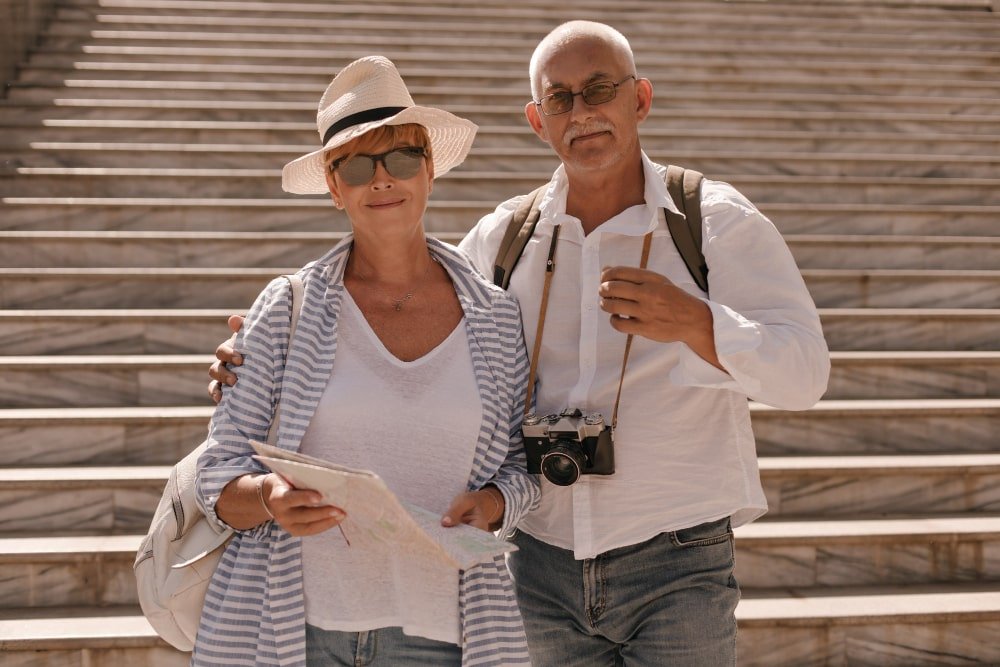
Common Travel Scams Targeting Seniors and How to Avoid Them
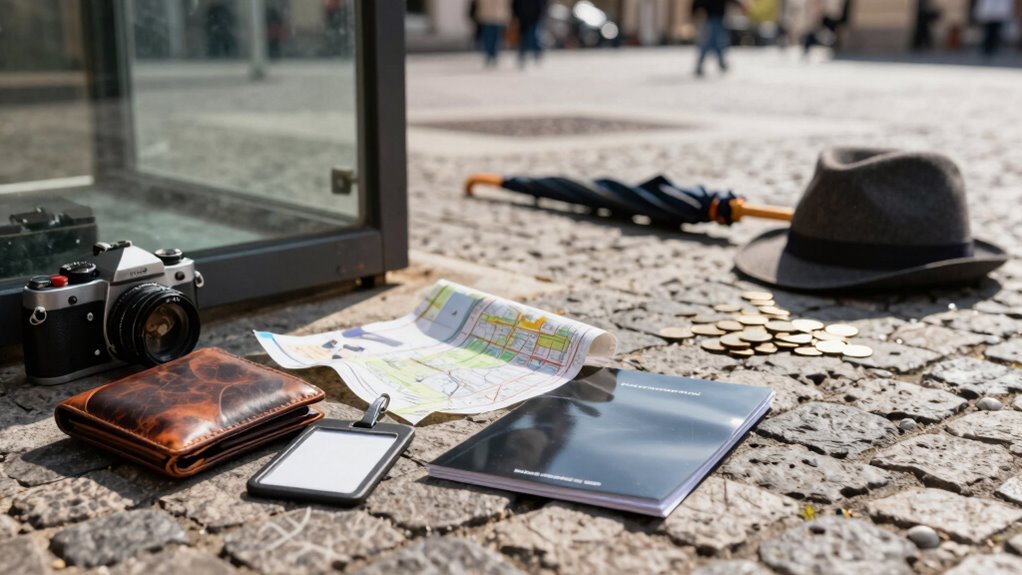
Travel scams targeting seniors are common, but you can avoid them with a bit of caution and preparation. Watch for vacation payment scams that promise amazing deals but come from fake websites or non-existent companies.
Be wary of unofficial tour guides at popular spots who may overcharge or lead you to expensive shops. High-pressure tactics and unsolicited offers are red flags—take your time and verify credentials before paying.
Do your homework: research companies, read reviews, and use credit cards for purchases when possible. Stay alert and enjoy your travels worry-free. Stick around for more tips on travel safety!
Vacation Payment Scams
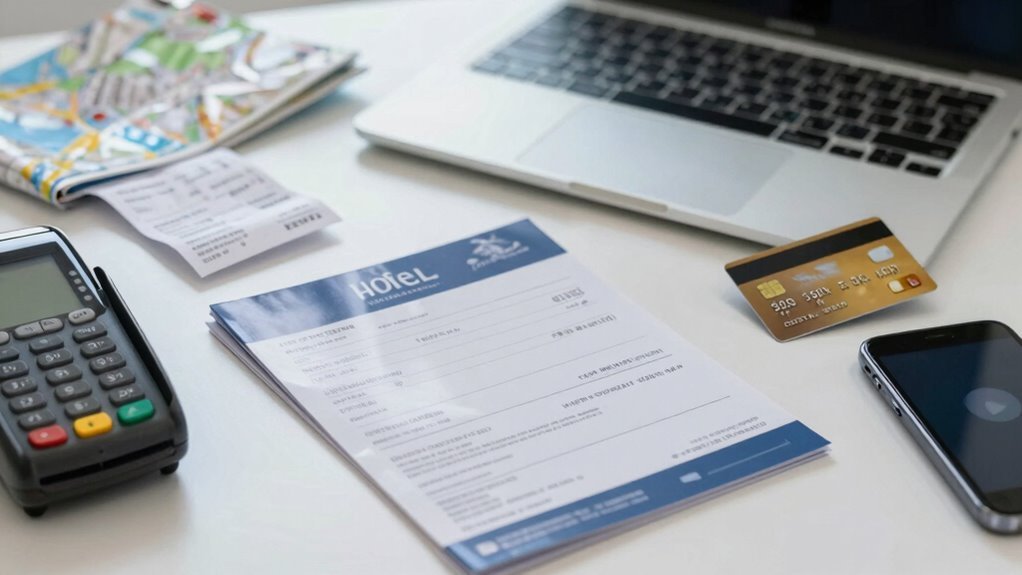
When it comes to vacation payment scams, it’s shocking to think that older adults have lost tens of thousands of dollars to these sneaky schemes. Imagine dreaming of a tropical getaway only to have someone swoop in, impersonating a travel agent, and demanding cash for a non-existent package!
Scammers love to create a sense of urgency, insisting you pay immediately to secure that “amazing deal.” They’ll hit you with high-pressure tactics and maybe even a link to a fancy-looking website that seems totally legit.
Before you know it, you’re wiring money or buying gift cards like you’re in a game show—but there’s no prize here! It’s vital to remember that if it seems too good to be true, it probably is. Trust your instincts, check with real travel agencies, and keep your money safe.
After all, those vacation dreams shouldn’t come with a nightmare price tag!
Unofficial Tour Guide Scams
If you’re wandering through a vibrant tourist hotspot, keep your eyes peeled for unofficial tour guides who might just pop up like daisies. These friendly folks may seem knowledgeable, but don’t let their charm fool you! They often offer unsolicited tour services and skip discussing prices until the end. Suddenly, you could find yourself faced with a hefty bill and some not-so-friendly demands!
Seniors, especially, can be targets of these scams since scammers exploit trust and the desire for personalized experiences.
To dodge this scam, stick with accredited tour operators you research beforehand. If someone approaches you offering a tour, politely decline and walk away. It’s better to rely on official resources, like visitor centers or hotel concierges, instead of getting tangled in the drama.
Fake Free Trip Offers and Robocalls
Scammers are getting sneakier, and once you think you’ve sidestepped a sketchy tour guide, here comes the next wave—fake free trip offers and pesky robocalls!
These scams are designed to catch your eye, promising luxurious vacations that sound too good to be true. They often come through emails, texts, or even those irritating robocalls! You might hear, “Press 1 to claim your free vacation!” But beware—these offers usually come with hidden fees that might leave your wallet feeling lighter than a carry-on bag.
Robocalls are relentless, impersonating banks or Medicare to fish for your personal info. If you engage, you risk identity theft or unauthorized charges, and nobody wants that!
Just remember, if it’s free, question it! Your curiosity is great, but don’t let it lead you down a scam-filled path. Stay savvy, and enjoy your travels without the worry!
Law Enforcement and Hotel Switch Scams
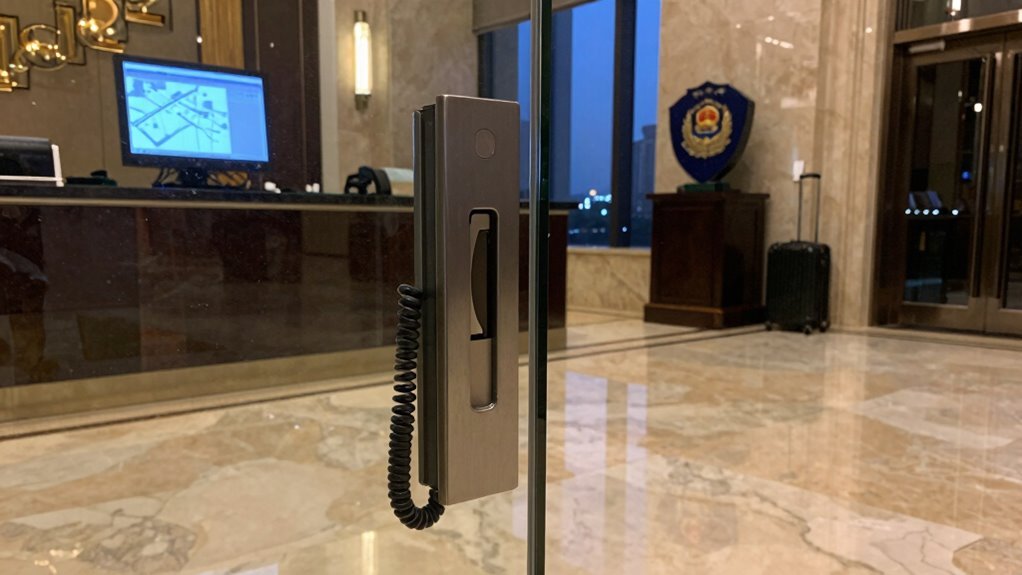
Traveling can be one of life’s greatest joys, but keep your eyes peeled for those pesky traps waiting to spoil the fun, like law enforcement impersonation and hotel switch scams.
Imagine being approached by someone claiming to be an officer, demanding your documents or threatening fines. They’re banking on your natural instinct to obey authority, so don’t be fooled! Always ask for ID and verify their identity before handing over anything.
Then there are hotel switch scams. You might meet a “helpful local” who says your hotel is closed, offering a supposedly better place instead. Be wary—their “better option” might just pocket them a commission, while you end up in an unsafe location.
Stick to trusted travel resources, and always know where you’re headed. Remember, if it seems too good to be true, it probably is! Happy travels, and keep that adventurous spirit alive!
Pressure Payment and Gift Scams Abroad
While you might be daydreaming about your next adventure abroad, it’s essential to stay alert to the sneaky schemes that could put a damper on your plans.
One common trap is the pressure payment scam. Scammers often impersonate officials or even trusted contacts, pressuring you into urgent gift card purchases. Seriously, they might insist you need to buy a mountain of Target gift cards to solve a so-called issue.
Keep an eye out for those suspicious emails, texts, or calls that create a whirlwind of confusion and fear.
Gift cards have turned into scammer favorites, with millions lost each year. Don’t fall for the urgency; take a breath and verify.
Remember, if something feels off, it probably is!
Enjoy your travels, but stay sharp; you want memories of fun adventures, not stories about scam escapades.
Safe travels, savvy explorers!
Financial and Romance Scams Affecting Senior Travelers
When it comes to picking up new passport stamps, there’s a big, sneaky elephant in the room that could pop your bubble of bliss—financial and romance scams!
You might think those outlandish scam stories only happen to others, but older adults often face these threats head-on.
Envision this: seniors lose an average of over $35,000 per scam! That’s not pocket change. Scammers come at you with enticing investment schemes or even fake romantic connections, all designed to lighten your wallet while filling their pockets.
They might impersonate a tech support agent or even a grandchild in desperate need of cash.
It’s vital to stay sharp and share your stories with friends or family, so you can all keep your hard-earned money safe.
Remember, if it sounds too good to be true, check it out before handing over a dime!
Happy travels, with eyes wide open!
Red Flags to Watch For
Scammers mightn’t wear big, flashy signs that say “I’m trying to trick you,” but you’ll spot them quickly if you know what to look for!
Being vigilant is your best defense. Here are some red flags that should raise your eyebrows:
- Unusual Payment Methods: If someone wants you to pay via gift cards, wire transfers, or apps like Venmo, run the other way!
- Urgency and Pressure: When you’re pushed to act fast or face fines, that’s a sneaky tactic. Take a breath and think it through.
- Impersonation: If someone claims to be a police officer or hotel staff and asks to check your documents, verify their identity before handing over anything.
Stay alert, and don’t let flashy deals and urgent messages cloud your judgment!
Travel should be fun, not filled with surprises from scammers.
Tips for Staying Safe While Traveling
Staying safe while traveling is all about being a savvy explorer! Start by consulting your healthcare professional before you jet off; they’ll help you sort out vaccinations and any health concerns.
Pack your medications in your carry-on, too—trust me, you don’t want to hunt them down in case of delays!
Next, choose accommodations that fit your mobility needs; nobody wants to climb Mount Everest in the name of travel! Stick to trusted transport providers, and keep your valuables close—carry only what you need. With the growing trend of domestic travel among individuals aged 50+, it’s important to research local attractions and experiences tailored to your interests.
Also, maintain good hygiene; wash your hands often and don’t forget your face mask in crowded places. It might feel like a hassle, but a little precaution goes a long way!
Finally, keep in touch with family about your journey to ascertain they know you’re safe and having fun.
Happy travels and remember, smart explorers have the best adventures!
Reporting Travel Scams
Your adventures can be one of life’s greatest joys, but what happens when things go sideways with travel scams? You might feel overwhelmed, but reporting the scam can be your first step toward recovery. Here’s how to get the ball rolling:
- Local Law Enforcement: Head to your city or county police department to file a report and gain official documentation.
- Federal Trade Commission (FTC): Submit a complaint to help prevent others from falling victim to the same scam.
- Internet Crime Complaint Center (IC3): If the scam involves online fraud, this FBI-run portal is the place to report it.
Once you’ve gathered your documentation and details of the scam, stop all communication with the scammer and reach out to these agencies.
Not only could your actions benefit you, but they can also protect future travelers. Remember, it’s not just about you; it’s about keeping the travel community safe!
Frequently Asked Questions
How Can I Verify the Legitimacy of a Travel Company?
To verify a travel company’s legitimacy, start by checking if they’re registered with official agencies like the BBB, and look for membership in groups like ASTA.
Don’t skip reading reviews on trusted sites! Calling their customer support can also reveal a lot—ask about their policies. If they hesitate or sound sketchy, that’s a red flag!
What Steps Should I Take if I’M a Scam Victim?
If you’ve been scammed, it’s time to spring into action!
First, notify local law enforcement and file a report; think of it as calling in the cavalry!
Next, reach out to the FTC and your state attorney general’s office—every bit helps.
Make sure to inform your bank to freeze your accounts.
And don’t forget to share your story; it can help others avoid a similar fate.
You’ve got this!
Are There Trusted Resources for Travel Scam Awareness?
You’ve got some great resources at your fingertips.
Organizations like AARP’s Fraud Watch Network and LIFE Senior Services are fantastic for staying informed. They’re like scam-fighting superheroes!
Don’t forget about Senior Planet’s online classes—perfect for brushing up on your scam-spotting skills.
Plus, checking out the FTC’s warnings can keep you a step ahead.
How Do I Recognize Fake Travel Websites?
You can spot fake travel websites by checking their URLs for sneaky misspellings and guarantee they start with HTTPS for safety.
If they look like a grammar disaster, that’s a red flag! Trustworthy sites provide clear contact info and don’t pressure you with urgent offers.
Stick to known sites and never rush into payments asking for odd methods.
What Are Common Emotional Manipulation Tactics Used by Scammers?
Scammers have a talent for emotional manipulation that’ll make your head spin! They’ll charm you with friendship, exploiting your loneliness, and before you know it, you’re wrapped around their finger.
They mix urgency with sweet talk, creating fake emergencies that almost force you to comply. You might even find yourself caught in a whirlwind romance, thinking it’s true love—until they ask for cash!
Stay sharp, and don’t let your heart outsmart your head!
Conclusion
Traveling should be a delightful adventure, not a minefield of mishaps! By staying aware of common scams and keeping your wits about you, you can navigate the world’s wonders with ease. Remember, every trip is an opportunity to create memories, not a chance to get tangled in a web of tricks. So pack your bags, keep your sense of humor handy, and enjoy every moment, because the globe is waiting—just don’t let the wolves in sheep’s clothing spoil your fun!