Coping With Jet Lag in Your Golden Years
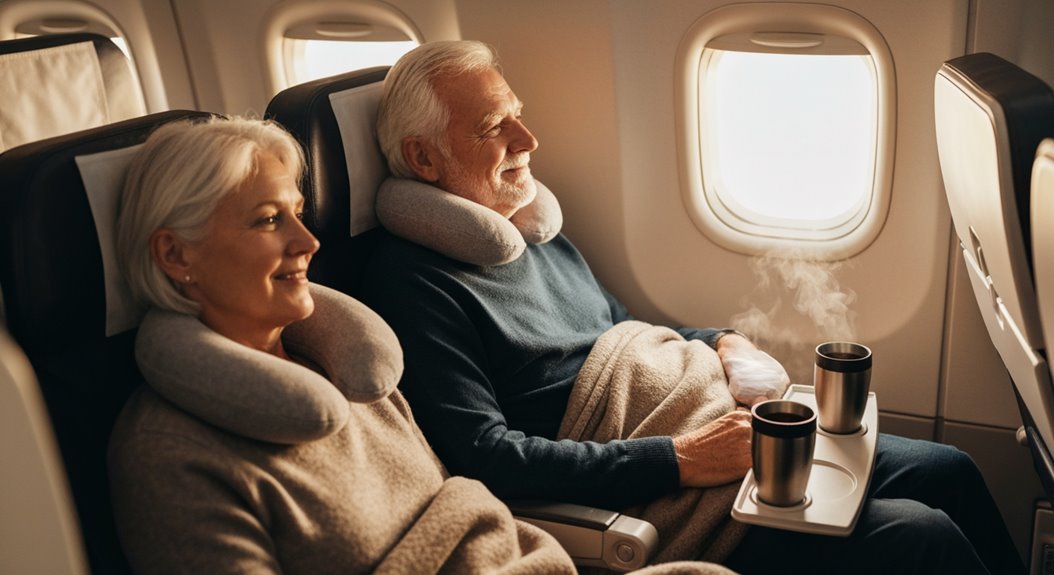
Coping With Jet Lag in Your Golden Years can be tricky, but you’ve got this. As your circadian rhythms shift, you may feel groggy or disoriented after traveling.
Try to stick to your usual routine as much as possible and allow yourself cozy afternoon naps if needed. Short rests can help without upsetting nighttime sleep.
Stay hydrated and choose light, nutritious snacks to keep energy steady. Fatigue and “foggy” thinking are common, so pace your activities for the first day or two.
With a few simple strategies and a little patience, you’ll be back to exploring soon—there’s plenty more fun ahead!
Understanding Circadian Rhythm Changes in Older Adults
As you grow older and embrace your golden years, you might notice some quirky shifts in your sleep patterns that weren’t there before.
Welcome to the phase advance club! Around age 60-65, many people find themselves getting sleepy earlier in the evening and waking up bright-eyed and bushy-tailed at the crack of dawn. This shift happens because your body’s internal clock changes, affecting everything from melatonin levels to body temperature. This adjustment may lead to increased likelihood of sleep disturbances if your sleep schedule is not aligned with your natural inclinations.
While some might see the upside—better mental performance in the morning—there’s also a downside. Frequent awakenings and longer times to fall asleep can leave you feeling a bit more tired than you’d like.
Plus, your circadian rhythms mightn’t feel as strong, making it harder to stick to a regular sleep schedule. So, while it’s great to wake up to the sun, you might want to embrace a cozy afternoon nap now and then!
The Impact of Age on Sleep Quality During Travel
Traveling can be an exciting adventure, but if you’re in your golden years, it can also bring its own set of sleep challenges. As you journey, notice how your sleep might feel a bit more elusive.
Aging affects your sleep quality, especially while traveling. You may experience:
- Shorter sleep duration, leaving you feeling a bit like a zombie.
- Fragmented sleep that interrupts your beauty rest.
- Less deep, restorative sleep to recharge those batteries.
- A decline in REM sleep, the one that fuels your wild dreams.
- Daytime fatigue, making you wish for a cozy nap!
Though the adventure is thrilling, your sleep might feel disrupted, especially on long or eastward trips. Remember, sleep disruption is often linked to the number of time zones crossed during travel, which can exacerbate your symptoms.
Keep in mind that it’s normal to feel this way! With a bit of planning and awareness, you can still enjoy all the wonders of travel without sacrificing your slumber too much. Let’s keep that zest alive!
Cognitive and Physical Performance Challenges
Jet lag can turn even the most exciting journey into a bit of a challenge for your brain and body. You might feel more foggy-headed or fatigued, and tackling those daily tasks can feel like climbing a mountain. Sleep disruptions impact your memory, making it tough to recall names or directions. Plus, if you’re prone to cognitive decline, jet lag can fast-track those memory problems—yikes! Older travelers often experience more pronounced fatigue and trouble staying alert, leaving you wishing for a nap after breakfast. Remember, your circadian rhythms aren’t as nimble as they used to be, slowing down your recovery. Integrating strategies like maintaining regular sleep-wake times is essential to keep your circadian rhythms aligned. It’s essential to keep a consistent sleep schedule and soak up natural light whenever possible. Embrace these strategies, and you’ll give your brain the boost it needs to keep exploring. After all, there’s no age limit on adventure, just a few extra naps!
Navigating Gastrointestinal and Emotional Effects
When your body’s clock suddenly finds itself out of sync, you might just feel like a fish out of water. Jet lag doesn’t just mess with your sleep; it can turn your digestive system upside down and bring on emotional ups and downs.
Here’s what you might notice:
- A sudden, unwelcome loss of appetite
- Nausea that comes out of nowhere
- Constipation giving you mild inconvenience
- Irritability, making you snap at loved ones
- A cloud of anxiety hanging over your day
These issues can feel overwhelming, especially since your body needs a little extra TLC these days.
Just remember, you’re not alone! Finding ways to adjust will help smooth out those rough patches. So, take it easy, stay hydrated, and don’t hesitate to chat with a doctor if those symptoms stick around.
Give your gut—and your heart—a chance to settle down!
Long-Term Health Risks for Frequent Travelers

Frequent flying may feel like a thrilling adventure, but it can come with some unexpected long-term health risks that you mightn’t be aware of.
You might think you’re just having a great time, but each trip could spell trouble for your heart. Disruption to your circadian rhythm can spike your blood pressure and even lead to weight gain—with travelers racking up a whopping 92% higher obesity rates if they fly more than 21 nights a month!
Your brain might also be affected. Sleep deprivation can kickstart seizures for those with epilepsy, worsen migraines, and even muddle your decision-making skills.
To top it off, your immune system takes a hit, making you more susceptible to infections.
Recovery Timeline: What to Expect
Adjusting to a new time zone can feel like a game of hide and seek with your body, but don’t worry—you’re definitely not alone in this!
Recovery from jet lag isn’t a race; it’s more like taking a leisurely stroll through a picturesque park. Here’s what you can expect:
- For every time zone crossed, plan for about one to two days of adjustment.
- If you’re venturing eastward, brace yourself for a longer recovery.
- Common symptoms include daytime fatigue and mood swings.
- Your internal clock may take a week or more to align; patience is key!
- Remember, everyone’s timeline is unique, influenced by age and resilience.
Eastward vs. Westward Travel: Strategies for Success
Traveling eastward or westward doesn’t have to feel like a tug-of-war with your internal clock! When you plan a trip, remember that eastward travel requires a bit more finesse. You’ll want to adjust your sleep and meal times a little earlier each day before you leave. Think of it as a gentle nudge for your body to wake up sooner!
On the other hand, if you’re heading west, you can have a bit more fun. Delaying your bedtime by an hour each night makes it a breeze to adapt!
Once you arrive, seek out morning light if you went east, and enjoy the evening glow after a westward journey; it’s like nature’s alarm clock!
Remember to avoid those late naps on the plane if you’re flying east; you don’t want to reinforce the old time zone!
With these simple strategies, you’ll glide through your travels with ease and enthusiasm. Happy travels!
Tips for Easing Jet Lag Symptoms in Your Golden Years
Jet lag doesn’t have to steal the spotlight on your travel adventures, especially in your golden years!
With a few simple strategies, you can minimize those pesky symptoms and enjoy your trips to the fullest. Here are some tips to help you bounce back:
- Eat a hearty breakfast aligned with your new time zone.
- Avoid late-night meals before flying, unless you want to feel like a sleepy sloth.
- Stay hydrated—water is your travel buddy!
- Consider consulting a sleep specialist if you frequently feel more like a zombie than a world traveler.
- Don’t skip the snacks; they can boost your mood and energy!
Frequently Asked Questions
Can Certain Foods Help Alleviate Jet Lag Symptoms in Older Adults?
Certain foods can work wonders to ease your jet lag symptoms.
Start your day with a protein-packed breakfast like eggs or Greek yogurt to help regulate those sleepy hormones.
Snacking on magnesium-rich almonds or indulging in melatonin-rich tomatoes can keep your stress levels down.
And let’s not forget to hydrate!
Water-rich fruits like watermelon are your best friends.
How Does Hydration Affect Jet Lag Recovery in Seniors?
Hydration’s like a superhero cape for your body when fighting off jet lag! When you’re well-hydrated, your fatigue and headaches tend to shrink like a balloon losing air.
Drinking enough water helps your internal clock reset, making you feel more energetic and alert. It’s especially important for seniors since dehydration can slow you down.
Are There Specific Supplements Beneficial for Older Travelers?
For older travelers, melatonin can help regulate your sleep cycles, making time zone shifts smoother.
Don’t forget magnesium, which relaxes those travel-tensed muscles and calms your mind after long flights.
B vitamins boost your energy and keep your brain sharp, which is always a win!
And hey, consider some immune-supporting mushrooms, too. They’ll help keep those pesky germs at bay.
Traveling’s a blast, so why not enhance the ride with the right supplements?
What Role Does Exercise Play in Overcoming Jet Lag for Seniors?
Exercise can be your secret weapon against jet lag! By getting moving, especially in the morning or early afternoon, you can actually help shift your body’s internal clock.
Think of it as giving your circadian rhythm a friendly nudge. Plus, regular workouts can boost your sleep quality, helping you feel bright-eyed and bushy-tailed—even after significant time zone hopping!
Just remember, a little movement can go a long way in keeping you on track.
Are There Recommended Travel Strategies for Minimizing Jet Lag in Older Adults?
To minimize jet lag, adjust your sleep schedule ahead of time. Shift your bedtime an hour earlier or later, depending on your destination, and align your meal times too.
Once you arrive, embrace some sunlight—after eastward travel, seek morning light! Stay hydrated, limit naps to under 30 minutes, and pack your travel pillow for comfort.
And remember, an early arrival gives you more time to settle in. Happy travels!
Conclusion
So, whether you’re soaring eastward or westward, remember that managing jet lag in your golden years can be a breeze with the right strategies! By understanding your body’s biological clock and following some simple tips, you can bounce back faster and enjoy your travels. Don’t let jet lag dampen your adventurous spirit—embrace the journey and all its joyful jots and jags! Happy travels, and may every trip be a delightful discovery!