Ensuring Your Accessibility Needs Are Met When Traveling
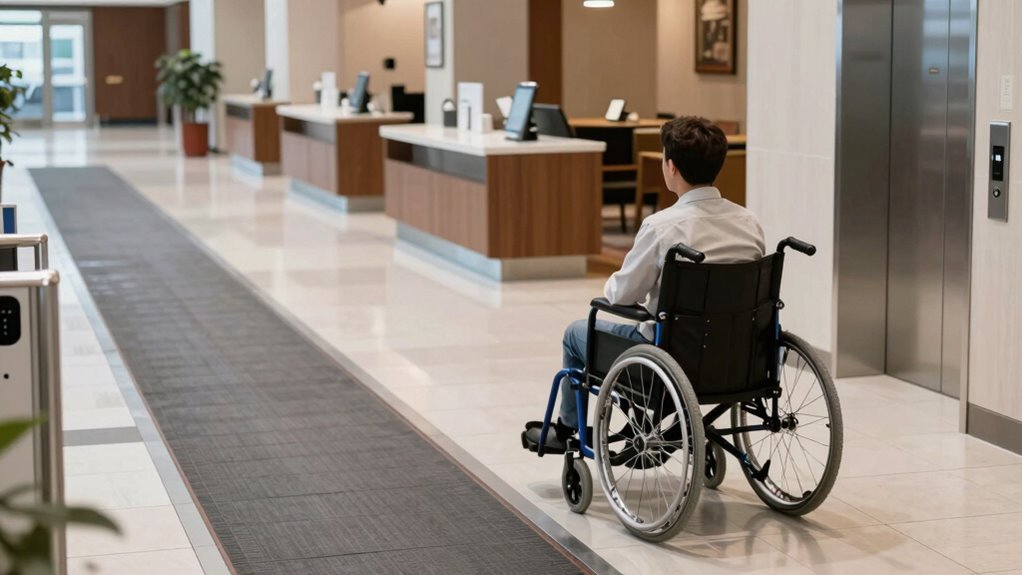
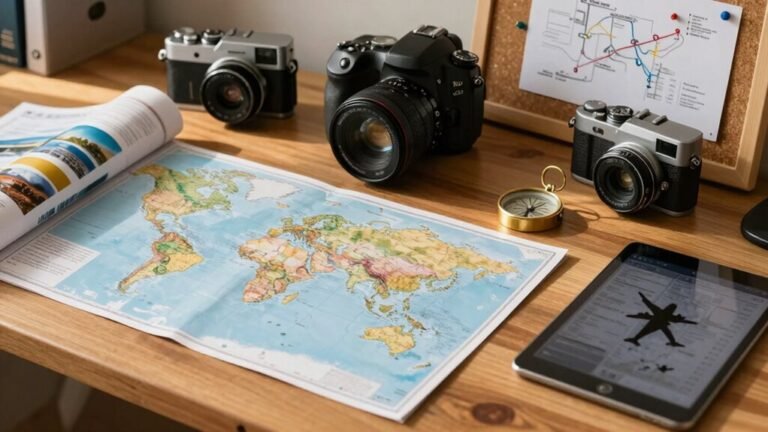
Planning a trip with accessibility needs can seem tricky, but it doesn’t have to be. Start by booking early to secure accommodations with roll-in showers and elevators.
Research wheelchair-friendly routes and attractions so you have accessible options during your trip. Don’t forget to notify service providers about your specific needs ahead of time.
Always have a backup plan in case things go awry. Stick around for some innovative tools that can make your travels a breeze!
Understanding the Types of Accessibility Barriers

When it comes to travel, nearly 68% of disabled travelers encounter some form of accessibility barrier—and trust me, that number can feel like a mountain! Imagine trying to navigate through cluttered sidewalks or struggling to find step-free access at a bus stop. It’s like playing a game of ‘where’s the ramp?’ and let’s be honest, that’s a game no one wants to participate in!
You might find yourself faced with challenges such as inaccessible toilets or a lack of resting places like benches during long journeys. Plus, when you’re planning your trip, trying to sift through confusing, outdated information on websites can be frustrating. Only 14.3% of individuals aged 18 to 64 with disabilities live in zero-vehicle households, highlighting the importance of accessible transport options during your travels.
It’s no wonder many shy away from travel! So, knowing the types of barriers out there’s the first step in making your travels smoother and more enjoyable. After all, everyone deserves a chance to explore the world without hurdles in their way!
The Economic Impact of Accessible Travel
How can accessible travel be a game changer for economies around the world? Imagine tapping into a market of over 1 billion people with disabilities and their 2 billion caregivers!
In the U.S. alone, travelers with disabilities spend nearly $50 billion every year, rocking local businesses from hotels to restaurants. Australia’s accessible tourism brings in $8 billion annually, while the UK rakes in over £15 billion!
When destinations make themselves accessible, they not only attract more visitors but also create jobs in construction and hospitality. Plus, a more inclusive approach appeals to families and seniors, broadening your potential customer base.
Research shows that for every dollar spent on accessibility improvements, the returns can exceed costs by about 2.4 to 1! So, embracing accessible travel isn’t just good karma—it’s smart business. After all, who doesn’t want to see more happy travelers roaming their streets?
Recognizing Your Rights as a Traveler With Disabilities
Ever wondered what rights you have as a traveler with disabilities? Well, buckle up, because you’ve got some solid protections!
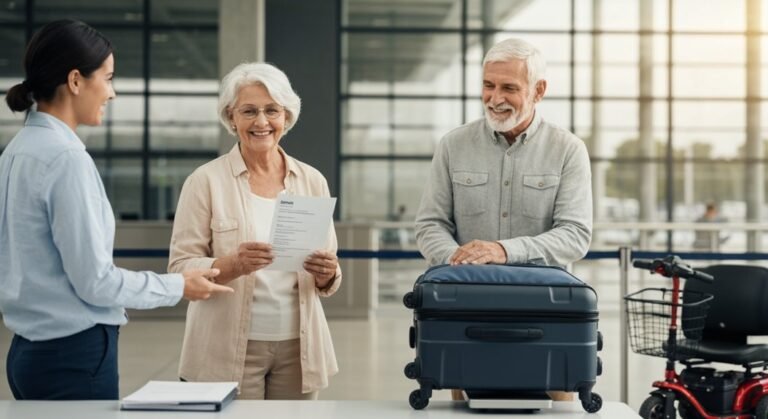
Under the United Nations Convention on the Rights of Persons with Disabilities, you can enjoy equal access to transportation. That’s right! Whether you’re hopping on a plane, train, or bus, you shouldn’t face discrimination. Airlines can’t refuse you without valid safety reasons, and they must provide boarding assistance at no extra charge. Talk about a win!
You also have rights regarding your mobility aids—if they get damaged, the carrier’s got to fix or replace it.
And don’t forget about communication! Travel providers must offer information in accessible formats, so you’re never left in the dark.
Tips for Planning an Accessible Trip
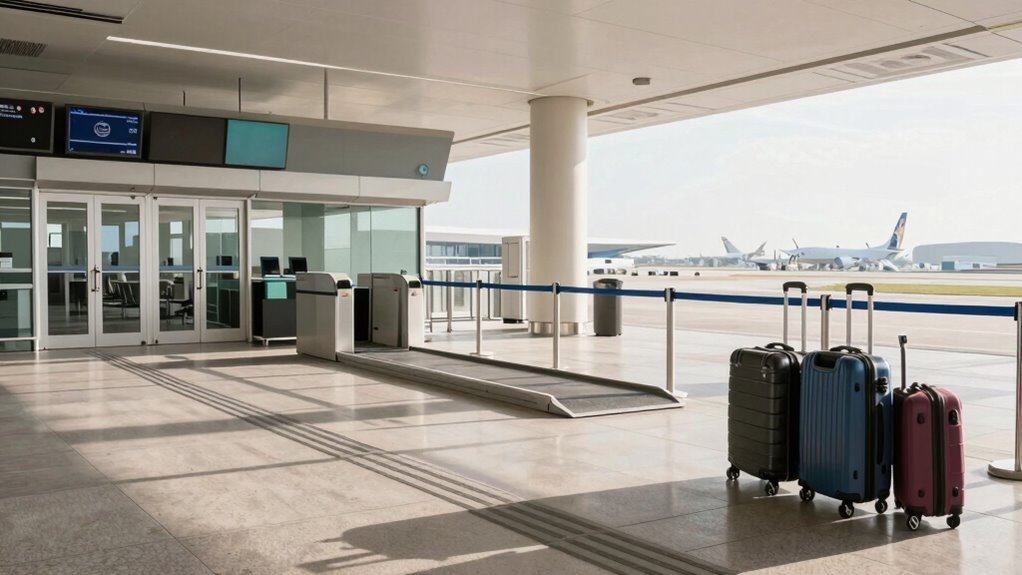
Planning an accessible trip can feel like a challenging task, but it doesn’t have to be!
With a bit of early planning and research, you can create a fantastic travel experience that meets your needs. Here are some helpful tips to get you started:
- Book early to secure accommodations with features like roll-in showers and elevators.
- Research your destination for wheelchair-friendly routes and accessible attractions.
- Notify service providers about your accessibility needs well in advance, so they can prepare for you.
- Pack a backup plan in case of unexpected access issues, because it’s always smart to be prepared.
Innovations Making Travel Easier for Individuals With Disabilities
Today’s travel landscape is brimming with innovative technologies designed to make journeys smoother and more enjoyable for individuals with disabilities.
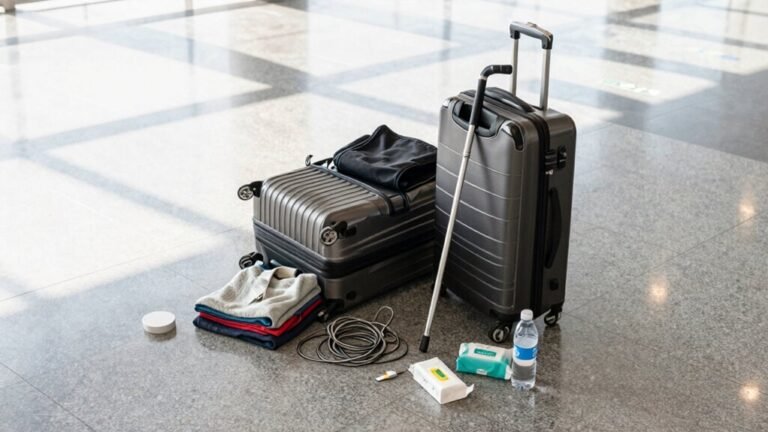
Imagine a smart wheelchair that not only helps you glide along with ease but also keeps track of your health and avoids obstacles like a pro! Lightweight, foldable devices mean you won’t be wrestling with heavy gear at the airport anymore.
AI-powered tools like AccessNow provide real-time updates about ramps and accessible amenities, and features like NaviLens let visually impaired travelers scan tags for directions—no GPS stress here!
Plus, with fun gadgets like the Locator ring, managing your travel devices gets as easy as a flick of your finger.
These small yet mighty innovations are reshaping travel, ensuring everyone can explore, enjoy, and create unforgettable memories.
The Importance of Inclusive Information and Communication
While you might dream of your next getaway, it’s essential to keep in mind the importance of inclusive information and communication in making that dream a reality.
Understanding what to expect before you arrive can transform your experience. Sadly, many travelers face challenges due to inconsistent accessibility info, which is about as helpful as a map without a key!
Here’s why inclusive communication matters:
- Honest, transparent accessibility info boosts your confidence to book that trip.
- Multiple photos and virtual tours help you assess if a place meets your needs.
- Clear information in various formats guarantees everyone can access it, from visuals to audio.
- Including sensory and cognitive accommodations covers a wider range of needs, making travel more enjoyable for all.
Resources for Accessible Travel Planning

Have you ever found yourself wondering where to start when preparing for an accessible trip? Don’t worry; you’re not alone! The good news is that a treasure trove of resources is at your fingertips.
Websites like WheelchairTravel.org offer detailed guides filled with accessibility info, often with photos or videos to back them up—no more guessing games!
You can also explore accessible trip-planning apps that make booking accommodations a breeze. Plus, voice-assisted tools can help if typing isn’t your thing. Trust me, those fancy AI-powered recommendations can make life easier!
Don’t forget about online communities where fellow travelers share tips and hacks to navigate the world smoothly.
With so many reliable sources out there, planning your accessible adventure can be exciting. So grab your gear, and let’s make those travel dreams come true!
Frequently Asked Questions
How Can I Request Specific Accommodations at My Hotel?
To request specific accommodations at your hotel, call them directly and chat with the staff.
Be clear about what you need, like grab bars or accessible parking. Don’t just ask if they’re accessible—show them your list! It’s like ordering a pizza; you want what you want!
Ask for photos of the room to verify it’s right.
And follow up a week before arrival, just to double-check everything’s still on track!
What Should I Do if I Encounter an Accessibility Issue While Traveling?
If you run into an accessibility issue while traveling, don’t sweat it! First, contact the airline’s Complaint Resolution Official (CRO) right away. They’re trained to help you on the spot.
If that doesn’t fix it, reach out to the airport’s ADA coordinator for assistance. Remember to keep notes on what happened—details matter!
And if all else fails, file a formal complaint. You’ve got rights, so use ‘em! Happy travels!
Are There Travel Insurance Options Specifically for Travelers With Disabilities?
About 1 in 5 travelers has a disability, and there are fantastic insurance options tailored just for you.
Companies like Able2Travel and Insurancewith offer coverage specifically for various conditions and disabilities. You’ll find flexible plans, from single trip to annual coverage, plus perks like protection for your mobility equipment.
Just remember to check the fine print, as not all policies are created equal. With the right insurance, you’ll travel with peace of mind!
How Can I Ensure My Dietary Needs Are Met While Traveling?
To guarantee your dietary needs are met while traveling, start by communicating clearly with hotels and restaurants about your restrictions.
It’s smart to carry documentation for any allergies, just in case.
Research your destination for restaurants that cater to your needs and follow food review forums for tips.
Finally, don’t forget to pack some snacks! You’ll be glad you did when you find yourself in a remote area with limited options.
Happy travels!
What Are the Best Travel Apps for Planning Accessible Trips?
For planning accessible trips, you’ve got some great apps at your fingertips!
Try Google Maps for wheelchair-friendly routes and real-time updates. Wanderlog helps you whip up itineraries like a pro, and TripIt keeps all your bookings in one neat package.
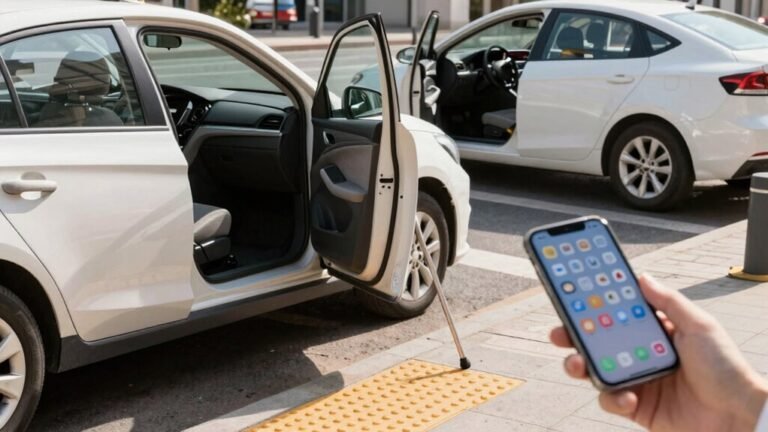
Don’t forget about Uber or Lyft for easy rides. These handy tools make travel smoother, so you can focus on having fun and enjoying new adventures instead of stressing about logistics!
Conclusion
As you commence your travel adventures, think of yourself as a modern-day explorer, wielding a map that leads to accessibility treasures! By understanding your needs and rights, you can dodge those pesky barriers and pave the way for smooth journeys. Innovation and inclusive information are your trusty companions, making every destination achievable. So grab your gear, embrace the thrill of discovery, and remember: the world is your oyster, and every trip can be a delightful escapade!