Flying After Surgery: Advice for Senior Travelers
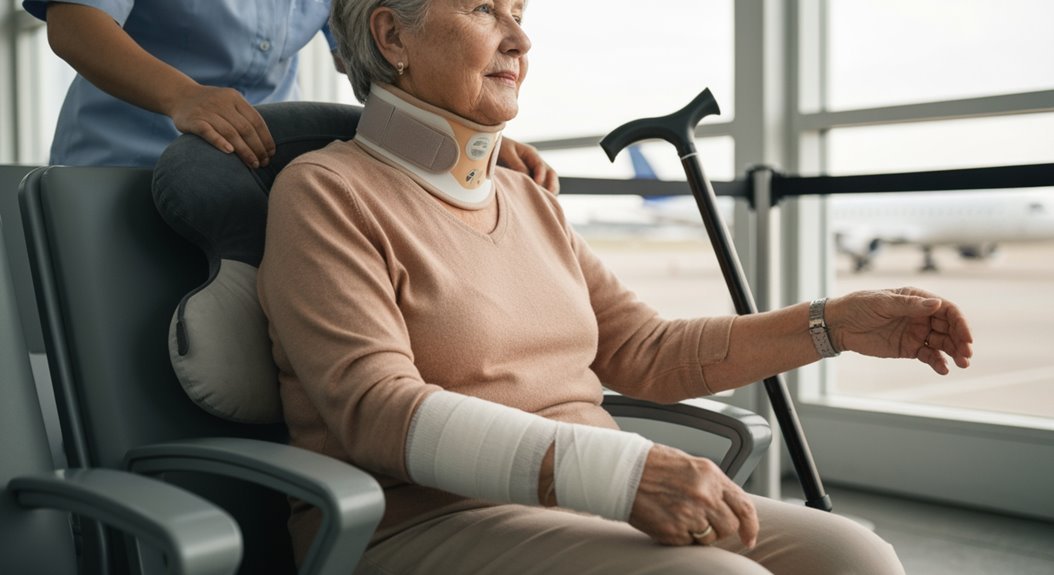
Flying after surgery can be an exciting adventure, but it requires careful planning—especially for seniors. Before you book, get your doctor’s okay; the recommended wait can range from a few days to several weeks depending on the type of surgery and your recovery.
Watch for deep vein thrombosis (DVT) risks: stay hydrated, avoid alcohol, wear loose clothing, and move around or do ankle pumps during the flight. Consider compression stockings if your doctor recommends them.
Bring all your medications in carry-on luggage, with a list of dosages and your surgeon’s contact information. Check that your travel insurance covers post-surgical care and any possible complications.
With a bit of preparation and medical clearance, flying after surgery can be a comfortable, safe part of your journey.
Understanding the Timing for Flying After Surgery
When it comes to flying after surgery, timing is everything—don’t you just wish you’d a crystal ball to figure out the best moment to book that ticket?
Depending on your procedure, the waiting game can vary wildly. For minor surgeries, you might just need 48-72 hours before you’re clear for takeoff. But if you’ve undergone something major, like a spinal fusion, you could be grounded for up to eight weeks! It’s important to remember that certain surgeries may require extended waiting periods, so plan accordingly.
Remember, airlines often enforce their own waiting periods, too, so check those dates! Your body’s healing is the priority—getting clearance from your surgeon is key before making any travel plans.
It’s all about finding that sweet spot between recovery and adventure, right? Happy travels!
Risks Associated With Air Travel Post-Surgery
While it might sound like an adventure waiting to happen, flying after surgery can come with its own set of risks you’ll want to keep in mind.
Here are some potential concerns to take into account:
- Venous Thromboembolism (VTE): That immobile flight seat can lead to blood clots. The risk of VTE increases significantly in patients who have recently undergone surgery, particularly during air travel.
- Extended Immobility: Prolonged sitting can be tough on those healing legs.
- Exacerbation of Conditions: Cabin pressure changes might annoy your healing wounds.
- Infection Risk: Enclosed spaces can mean more exposure to pesky germs.
Specific Considerations for Different Types of Surgeries
If you’re itching to hop on a plane after surgery, it’s essential to reflect on how different types of procedures can affect your travel plans.
For neurosurgery or eye surgery, you’ll likely wait 7-14 days for doctor approval, ensuring any gas is absorbed—a key detail! Flying too soon has risks that can be particularly pronounced for these types of surgeries.
Major abdominal surgery pushes that wait to 10-14 days, as your body needs time to heal and regain mobility.
Cardiac patients? Expect a longer wait, around 10-21 days, to protect those delicate hearts.
If it’s joint replacement, you might be flying within days, but keep in mind that DVT risk lingers for months!
Finally, minor orthopedic operations might only need a day.
DVT Prevention Strategies for Senior Travelers
Traveling after surgery can feel like a bit of a balancing act, especially when it comes to preventing DVT, or deep vein thrombosis.
But don’t worry, I’ve got some strategies that’ll help keep you safe during your adventures:
- Stay Hydrated: Drink plenty of water and avoid alcohol and caffeine, which can dehydrate you.
- Get Moving: Stand, walk, or do seated exercises every hour to get that blood pumping.
- Wear Compression Stockings: Make sure to wear properly fitted stockings during your flight—they’re a game changer!
- Consult Your Doctor: If you’re high-risk, ask about medications like blood thinners or aspirin before you travel.
With these tips in mind, you can enjoy your travels without the worry of unwanted clots!
Safe flying!
Airline Policies and Travel Preparation Tips

After taking those important steps to prevent DVT during your travels, it’s time to get into the nitty-gritty of airline policies and preparation tips that’ll make your journey smoother.
First, check airline guidelines—Qantas lets healthy folks fly 24 hours after anesthesia, but some airlines may ask for medical clearance documentation. Always consult your doctor at least 10 days prior if you’ve been hospitalized.
Don’t forget that prescription medications should be within arm’s reach, and adjusting for time zones can keep you on track!
Finally, keep in mind how in-flight comfort matters; toss in a few stretches or an aisle stroll to boost circulation.
Stay smart, stay prepared, and enjoy your flight—adventures await!
Importance of Medical Clearance Before Flying
When you’re gearing up for a flight, one of the most important steps you can’t overlook is getting medical clearance, especially after surgery.
It might seem like a hassle, but trust me, it’s essential for your safety. Here are a few reasons why:
- Doctors assess your health to spot any flying-related risks before you take off.
- Cabin pressure can lower your oxygen levels, which isn’t ideal after surgery.
- Airplanes are germ factories, and you don’t want to catch anything during your recovery.
- Confined seating can elevate discomfort and stress, making your journey less enjoyable.
Travel Duration and Its Impact on Recovery
Whether you’re packing your bags for a quick getaway or a grand adventure, you mightn’t realize just how much the duration of your flight can affect your recovery after surgery.
If you’ve had a minor procedure, short flights might be okay as soon as two weeks post-op. However, longer flights can mean a longer wait—think six weeks or more—to help your body heal properly.
Extended time seated increases risks like blood clots, especially in those first few weeks. Plus, the type of surgery matters; more invasive procedures need more recovery time.
Managing Pain and Medications During Travel
Planning that fun getaway post-surgery? You’ve earned it! Managing pain and medications during your trip is key to enjoying the journey. Here are some essential tips:
- Pack meds in your carry-on: Keep them handy and avoid any luggage mishaps.
- Adjust dosage times: Time zone changes mean you might need to shuffle your schedule.
- Stay organized: Use a daily pill organizer to prevent missed doses, plus have an extra stash for emergencies.
- Carry documentation: Bring a signed note from your doctor, including medication details, in both paper and electronic forms.
With a little preparation, you’ll be ready for adventure!
Just remember to stay hydrated and keep moving—it’ll ease discomfort and help you feel great on your escape!
Monitoring Symptoms During and After Flights
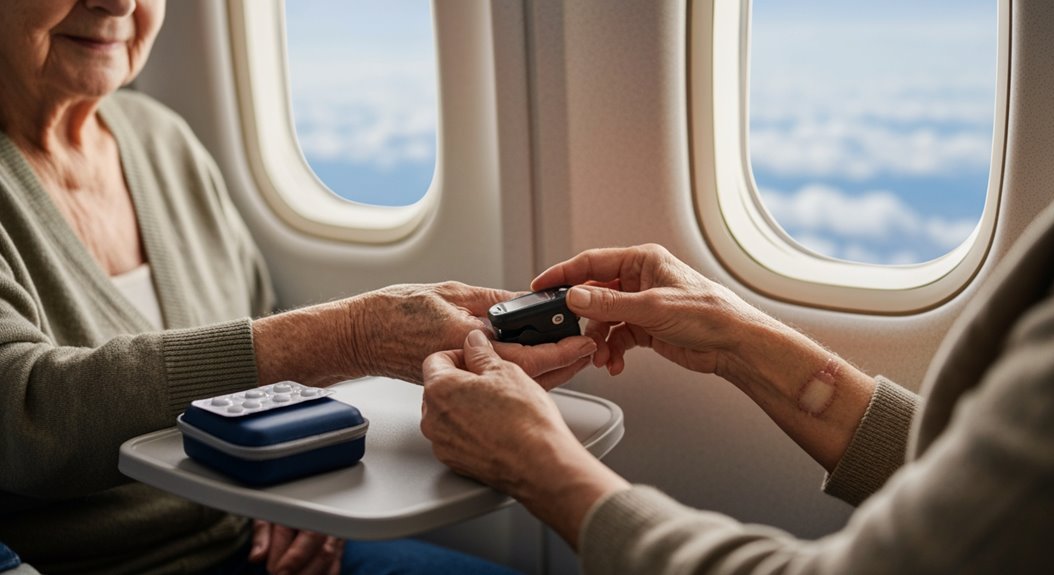
Traveling post-surgery can feel a bit like a thrilling adventure, but it’s important to keep an eye on your health as you soar through the skies.
While you’re enjoying those snacks at cruising altitude, watch for signs of Deep Vein Thrombosis (DVT). If your legs start swelling, hurting, or feeling unusually warm, take action! Also, those little leg exercises help keep your circulation flowing.
And if you experience shortness of breath or chest pain, do you know it could be serious? Hydration is key, too—so sip that water!
Pay attention to your surgical site and any unexpected fatigue or chest issues after landing. Remember, it’s all about staying smart while you travel! Safe flights!
Planning for Support and Assistance While Traveling
When you set off on your travel adventure after surgery, having the right support and assistance can turn a challenging journey into an enjoyable experience. Here’s how you can plan for a smooth trip:
- Hire a specialized travel companion to handle logistics and provide personalized care tailored to your needs.
- Notify your airline about any assistance needed—think priority boarding and wheelchair services.
- Consider professional medical escorts if you have complex medical needs; they’re trained to care for you during the flight.
- Keep family updated with real-time notifications about your journey—they’ll appreciate the peace of mind.
With these steps, you can focus on enjoying the journey, knowing you’ve got support when you need it! Safe travels!
Frequently Asked Questions
Can I Fly if I Have a History of Blood Clots?
Absolutely, you can fly if you have a history of blood clots, but there are some important things to keep in mind!
First, check with your doctor to make sure you’re good to go. After two weeks post-diagnosis might be the sweet spot.
Consider wearing comfy compression socks and take frequent strolls down the aisle to keep things moving. Stay hydrated, and remember, nibbling on snacks is way more fun than counting blood clots!
What Precautions Should I Take for Long Layovers?
Think of long layovers like a marathon—your legs need training!
To keep your circulation flowing, stretch your calf muscles and stroll around the terminal for at least 30 minutes.
Opt for aisle seats so you can easily get up.
Pack healthy snacks, stay hydrated, and avoid heavy foods that might upset your stomach.
Finally, don’t forget your comfy compression stockings; they’re like a hug for your legs while you wait!
Are There Any Age Restrictions for Flying After Surgery?
Nope, there aren’t any universal age restrictions for flying after surgery!
It’s more about your health than your age. Doctors look at your specific surgery and any other health issues you might have. Depending on your condition, they might suggest a waiting period before you take to the skies.
How Can I Manage Anxiety About Flying Post-Surgery?
Managing anxiety about flying post-surgery can feel challenging, but you’ve got this!
Start by using relaxation techniques like deep breathing or listening to calming music. Keeping a positive mindset is a game-changer too—imagine the fun awaiting you at your destination!
Chatting with a friend or reading a good book can help distract you. If all else fails, don’t hesitate to talk to a doctor about your anxiety; they can guide you!
Should I Notify Airline Staff About My Recent Surgery?
Absolutely, you should notify airline staff! Think of it like throwing a surprise party—everyone’s gotta be in the loop for it to go smoothly.
By letting them know about your recent surgery, you help them prepare, maybe even have some special seating ready for you. Who wouldn’t want extra legroom?
Plus, it keeps you safer, minimizing risks and avoiding awkward moments mid-flight—like trying to explain your aching leg to a confused flight attendant!
Conclusion
So, whether you’re jetting off to a warm getaway or visiting family, just remember: about 1 in 10 travelers can develop a blood clot after surgery, especially during long flights. But with the right precautions and a little planning, you can minimize those risks and make your trip enjoyable. Keep your legs moving, stay hydrated, and don’t forget to pack those comfy socks! Safe travels and happy adventures, because life’s too short to miss out on fun!