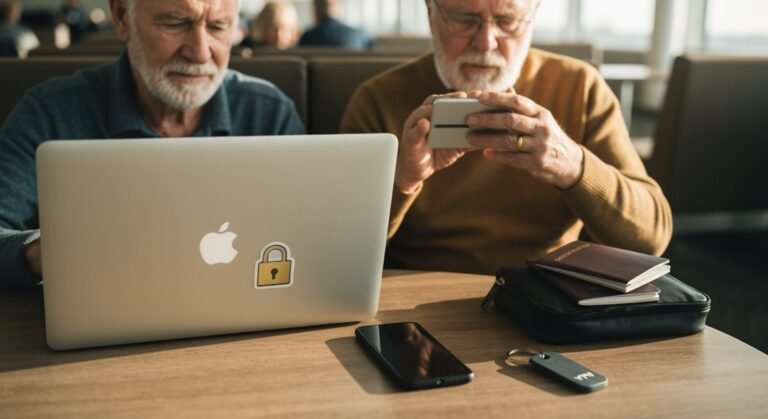
International SIM Cards and Wi-Fi: A Senior’s Guide
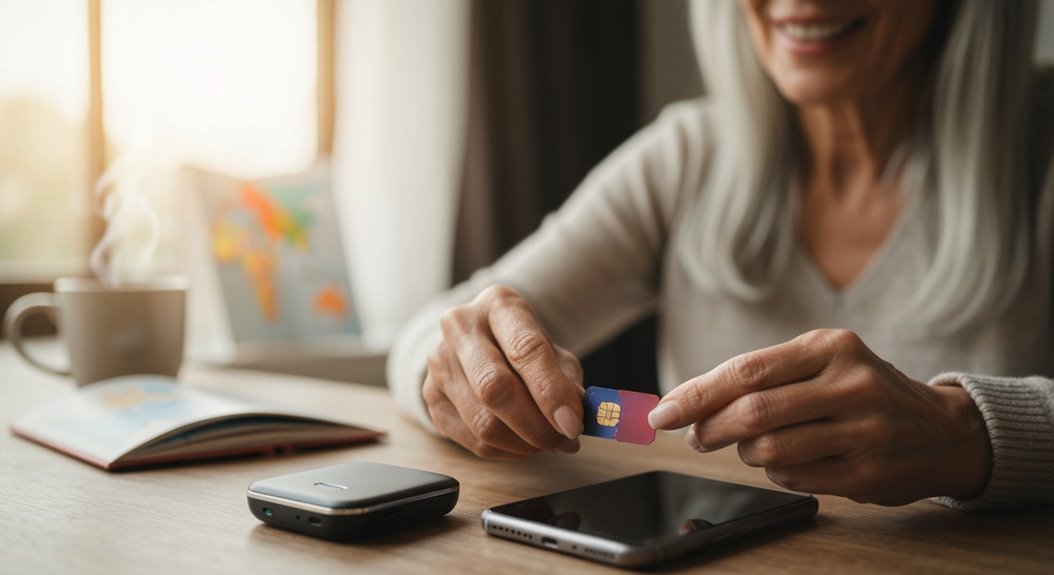
International SIM cards and Wi-Fi can make travel much easier for seniors. Using them helps you stay connected without expensive roaming charges, whether you pick a physical SIM or an eSIM.
You can choose plans that match your needs so calling, texting, or sharing vacation photos is simple and affordable. Local Wi‑Fi at hotels, cafes, and attractions can help you save mobile data.
With a little planning—comparing plans and checking device compatibility—you’ll have reliable service and peace of mind on your trip. Want tips for choosing the best option for your next adventure?
Understanding Different Types of International SIM Cards
When you’re planning to travel abroad, diving into the world of international SIM cards can feel a bit overwhelming, but don’t worry—I’ve got your back!
There are three main types of SIM cards you’ll want to hear about. First up, physical SIM cards are those trusty little chips you pop into your phone.
Then, there’s the nifty eSIM, which is built right into newer devices—pretty cool, right? An eSIM is the easiest way to stay connected abroad without the hassle of swapping physical cards.
If you roam globally, a global SIM card covers 100+ countries, while a regional SIM is more like a VIP pass for specific areas like Europe.
Moreover, multi-network SIM cards connect to various local carriers for better coverage.
Benefits of Using International SIM Cards
International SIM cards open up a world of possibilities for travelers, making communication and connectivity a breeze no matter where you roam. They cut costs dramatically, so you don’t have to worry about those sky-high roaming fees. Imagine paying just a few dollars a month instead of $10 per megabyte! With instant activation, you can stay connected the moment you touch down in a new country, eliminating that frantic search for a local SIM. Plus, you can choose from a variety of packages that fit your travel style, whether you need data, calls, or both. Furthermore, they can act as a bridge to worldwide networks, so you can focus on exploring, not stressing! And the best part? They work in over 190 countries, so you can focus on exploring, not stressing!
Comparing Esim and Physical SIM Cards
You’ve probably heard the buzz about eSIMs and physical SIM cards, but let’s explore what sets them apart!
- eSIMs are like secret agents, embedded directly in your device, while physical SIMs are handy little cards you can swap out.
- With eSIMs, you can juggle multiple carriers on one chip—no cards needed! eSIMs can store multiple profiles.
- Physical SIMs require a bit more effort; you’ll need to pry open a tray to switch carriers.
- eSIMs give you the power to change plans without waiting for mail, saving valuable time and effort.
Ultimately, both options handle calls and data just fine, but eSIMs bring a little more flexibility and convenience to the table.
Key Considerations When Choosing a SIM Card
Choosing the right SIM card can feel like a game of puzzle pieces, especially after picking between eSIMs and physical SIMs.
First, think about where you’re headed. Some international SIMs offer coverage across 150 countries, enhancing reliability where you roam. If you’re traveling through rural areas, check for signal strength, while urban spots usually boast premium coverage.
Next, consider your budget; prepaid options can save pennies, while postpaid plans might be better for extended trips. You’ll want to pick a plan that matches your data needs, whether you need a bit of browsing or unlimited streaming.
And don’t forget, a liberated phone makes your life way easier—no fussing over compatibility!
Enjoy the journey!
Top Providers and Their Coverage
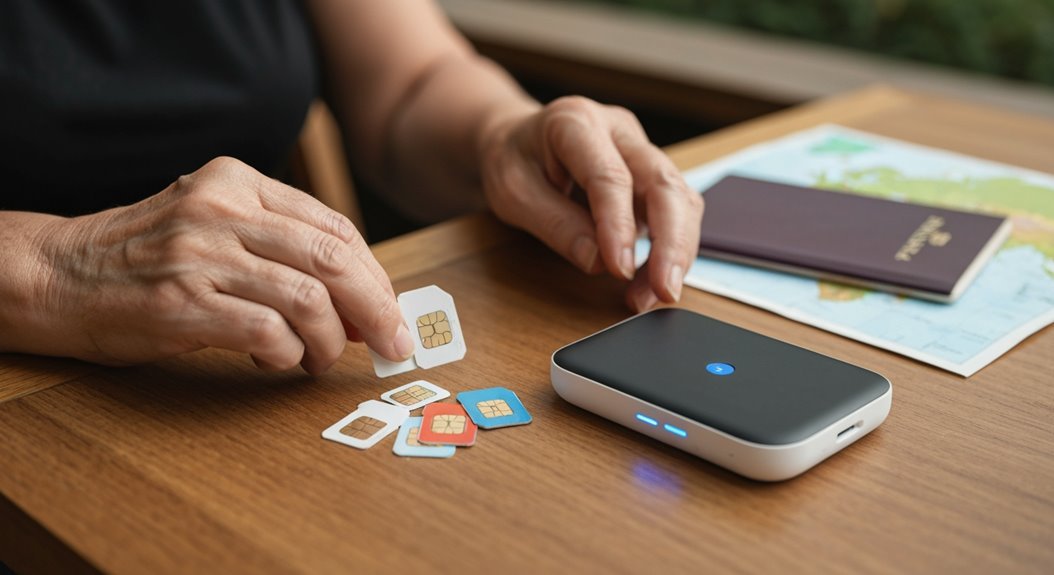
When it comes to staying connected abroad, picking the right provider is essential, especially for seniors who want to navigate their trips without a hitch.
Here are some top providers that can keep you connected around the globe:
- Airalo: Covers over 130 countries with eSIMs that last up to 365 days.
- Holafly: Offers unlimited data in over 200 destinations, making it a traveler’s dream.
- Saily: Provides coverage in 190+ countries with plans from 1GB to unlimited data.
- Maya Mobile: Great for long-term stays, covering 180+ countries with convenient auto-renewal options.
With these options, you’ll find the perfect plan to text your loved ones, share adventures, and enjoy staying connected wherever your travels take you!
Tips for Seniors Using International SIM Cards
Staying connected while traveling can feel like a challenge, but with the right tips for using international SIM cards, you can make the process as smooth as a breeze on a warm day!
First, consider using an eSIM; it’s built right into your smartphone, so you won’t have to fuss with tiny chips. Make sure your phone’s accessible, and you’ll be ready to go!
Check for regional or local plans depending on your travel—regional SIMs are perfect for country-hopping, while local ones are great for single destinations.
Plus, don’t forget to activate your plan before you leave or as soon as you land. With these simple steps, you’ll be connected quicker than you can say, “Where’s the coffee?”
The Importance of Connectivity While Traveling
Connectivity while traveling isn’t just a luxury; it’s a lifeline that makes any adventure much more enjoyable!
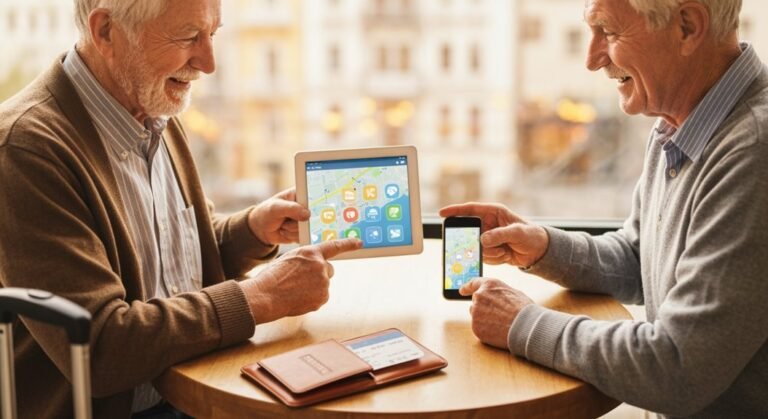
Whether you’re exploring a new city or simply wandering through a charming village, staying connected keeps you informed and secure. You don’t want to get lost, right?
Here’s why connectivity’s important:
- Access maps and travel info on-the-go, making navigation a breeze.
- Keep in touch with family and friends, sharing experiences as they happen.
- Book accommodations and activities last-minute, maximizing your time spent enjoying!
- Enjoy peace of mind knowing you can reach help if needed.
With 81% of travelers considering internet access essential, it’s clear that staying connected enhances your journey, ensuring you have more fun and fewer worries!
How to Stay Safe on Public Wi-Fi Networks
Exploring new destinations is all about the joy of discovery, but don’t let the thrill of adventure leave you vulnerable to cyber pitfalls! Public Wi-Fi is tempting, but it’s full of hidden dangers.
Always double-check the network name—don’t fall for those “evil twin” hotspots that mimic legit connections.
And hey, think before you click! Remember that those captive portals can be sneaky; they might just want your email for phishing.
Use a VPN for an extra layer of security, because who wouldn’t want their data wrapped up safely?
Finally, avoid accessing sensitive info, like banking, unless you’re on a secure connection.
Safe browsing equals happy travels—don’t let a hacker ruin your trip!
Managing Data Usage While Traveling
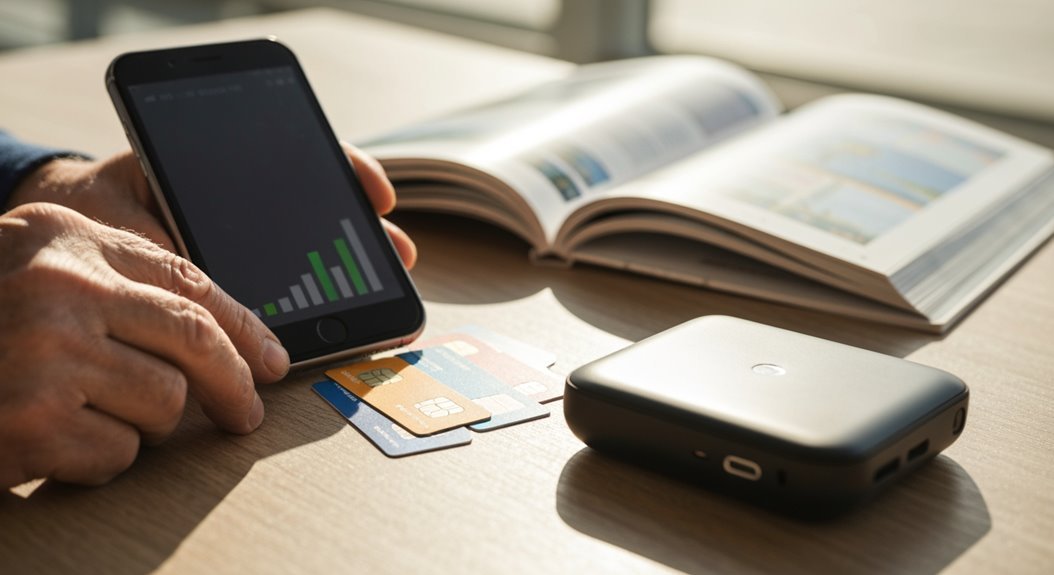
Managing data usage while traveling can feel a bit like juggling—especially when you’re trying to balance sightseeing and staying connected!
To keep those data limits from falling flat, it’s essential to plan wisely. Here are some tips to keep your usage in check:
- Download maps and entertainment for offline use before you go.
- Use Wi-Fi for large downloads, updates, and streaming when you can.
- Limit data for non-essential apps; they don’t need to hog your bytes!
- Turn off automatic updates and background refresh to save precious data.
Frequently Asked Questions
Can I Switch SIM Cards During My Trip?
Absolutely, you can switch SIM cards during your trip! It’s as easy as pie.
Just power down your phone, pop open the SIM tray, swap in your new card, and voilà! In just about a minute, you’re all set for new adventures.
Don’t worry—your contacts and photos are safe and sound on your phone.
How Do I Activate My International SIM Card?
To activate your international SIM card, start by turning off your phone—think of it as tucking it in for a nap.
Carefully pop the new SIM in its cozy spot, then power it on and let it wake up to the network.
Follow any carrier instructions that came with it, and don’t forget to restart your device.
If hiccups pop up, check the APN settings to verify everything’s set.
You’ve got this!
What Happens if I Lose My International SIM Card?
If you lose your international SIM card, don’t panic! It’s time to act fast.
Call your provider right away to block it; they’ll prevent any sneaky charges. Next, request a replacement SIM—some offer speedy shipping!
While waiting, change your passwords and enable two-factor authentication on your accounts for extra security.
Are There Any Restrictions on International Calls?
Absolutely, there can be restrictions on international calls!
You might discover that some countries enforce rules blocking calls to or from certain places, especially if they’re dealing with political stuff.
Even dialing techniques matter—forgetting that pesky “+” or country code can lead to call failures.
And then, there are carriers who limit international calling on prepaid plans to save you from surprise bills.
Can I Use My International SIM Card With a Tablet?
Absolutely, you can use your international SIM card with a tablet, as long as you’ve got a compatible device!
If your tablet’s freed and has a cellular option, pop in that SIM, and you’re good to go.
Now, if it’s just a Wi-Fi model, you might need to explore other options, like a portable hotspot.
Think of it as giving your tablet a little travel upgrade—ready for an adventure!
Conclusion
So there you have it—a senior’s guide to maneuvering the world of international SIM cards and Wi-Fi! With your newfound knowledge, you can stay connected without a hitch. Remember, whether you choose a physical SIM or an eSIM, it’s all about what works best for you. And don’t forget to enjoy every moment of your travels—and maybe send a few selfies while you’re at it! Safe travels, and may your Wi-Fi be strong and your adventures even stronger!