How to Manage if You Can’t Walk Long Distances
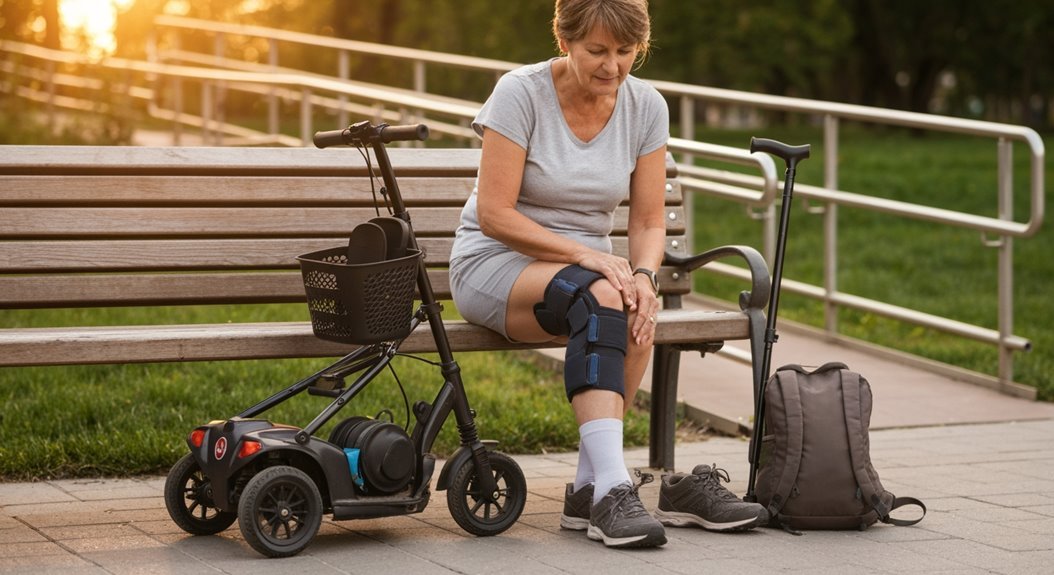
How to Manage if You Can’t Walk Long Distances: don’t worry — there are many options to keep you mobile and independent. Mobility aids like canes, walkers, and electric scooters can help you get around more comfortably.
Think about your daily routine and pick a device that fits your needs and lifestyle. The right aid can restore confidence and make outings easier.
Small home changes also help a lot. Adding grab bars, improving lighting, and rearranging furniture to create clear pathways reduce strain and fall risk.
Interested in more tips for staying active and safe? There are plenty of strategies and resources to explore.
Understanding Your Mobility Needs
Understanding your mobility needs is like discovering a treasure map to charting your daily life with confidence!
You’ll want to evaluate your physical condition thoroughly, from height and weight to that tricky cardiopulmonary status. Next, don’t skip the musculoskeletal and neurological examinations—they reveal how strong your muscles and balance are, which is a big deal! Pain and any funky joint shapes can seriously impact your movement, so documenting these is key.
Remember, it’s not just about walking; consider how you tackle steps or crowded spaces. Safety matters too! Evaluating your cognitive skills helps guarantee you understand your mobility tools. A thorough assessment should include a face-to-face mobility examination to ensure all factors impacting your mobility are addressed.
Fundamentally, knowing your unique needs will help you navigate this adventure with flair and perhaps even a little swagger!
Exploring Mobility Aids for Improved Movement
Have you ever wondered what tools can help you move with more ease and confidence? Mobility aids are here to save the day!
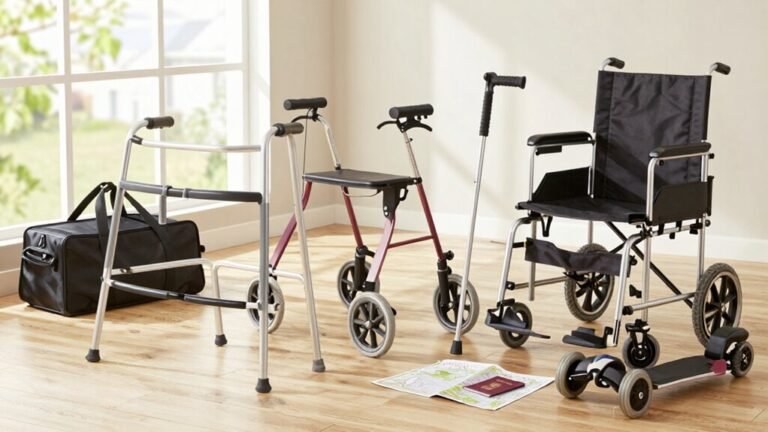
Canes are handy for balance, offering single-point support when you can bear some weight. Increased long-distance walking capability is correlated with better health outcomes, making the use of canes beneficial for those looking to maintain their mobility.
Need more relief? Crutches take the pressure off your legs, shifting 80% to 100% of your weight, but they do require some upper body strength, so be ready to flex those muscles!
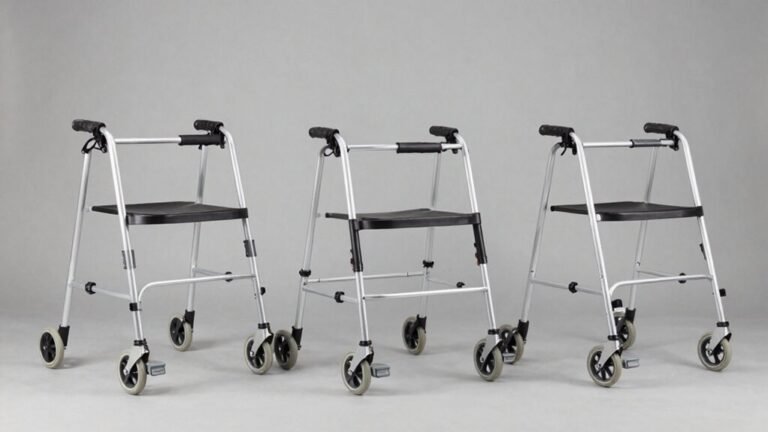
If you’re looking for extra stability, consider a walker. They’re fantastic for those with weaker legs but can be a little tricky to maneuver—imagine ballet with a side of support!
For greater mobility challenges, wheelchairs and scooters let you zoom around without breaking a sweat.
Tips for Choosing the Right Mobility Device
When you’re ready to choose the right mobility device, it’s vital to take into account what fits your needs best, because every person’s situation is unique! Start by evaluating your lifestyle—do you need something easy to transport or a device that makes long walks a breeze? Think about how secure and durable the device is, too. A well-built choice can be your trusty sidekick for years! Remember that the right device can boost your confidence and independence. In fact, research shows that demographic data can play a significant role in determining the best mobility device for your specific needs. Don’t forget to contemplate the accessories you might need, like baskets or cup holders, because you’ve gotta stay fueled! Finally, consult with a healthcare provider to confirm you’re on the right track. Finding your perfect match can be fun!
Adaptive Strategies for Daily Activities
Adaptive strategies can make daily activities a lot more manageable, especially when you’re dealing with walking limitations.
Start by installing grab bars in key areas like bathrooms—trust me, they’re your new best friends for safety!
Next, arrange your furniture to create clear pathways—think obstacle course, but make it friendly!
Use ergonomic furniture to give your sitting and standing a boost.
When it comes to tasks, break them down into smaller steps, and use checklists—it’s like turning your daily grind into a game.
Don’t forget about nifty gadgets like dressing aids or specialized utensils that make self-care easier.
Enhancing Safety and Reducing Fall Risks

Making your environment safe can be a game changer if you’re managing walking limitations. Start by banishing clutter and any trip hazards—this can cut your fall risk by a whopping 30%!
Next, think about grab bars in key spots like bathrooms and hallways, giving you that extra support. Brighten up your space with good lighting, so you can easily spot where you’re going.
If you’ve got visual challenges, using contrasting colors for floors and walls can help too. Don’t forget about securing rugs and using non-slip mats—no one wants to take an unexpected slip!
With the right setup, you’ll feel confident moving around your home, reducing those pesky fall risks and making every step safer and more enjoyable!
Maintaining Independence With Mobility Solutions
Maintaining your independence while dealing with walking limitations can feel like a juggling act at times, but don’t worry—there are plenty of mobility solutions to help keep you in control! With options like walkers, canes, and scooters, you can navigate your world safely and confidently.
Plus, don’t forget about rideshare services like Lyft and Uber; they let you schedule rides whenever you need them, making spontaneous outings a breeze!
Engaging in social events is vital for your mental well-being, and you can’t underestimate how a little help getting there makes all the difference. With smart mobility devices offering GPS and fall detection, you’ll feel extra secure.
Frequently Asked Questions
How Can I Strengthen My Legs Despite Limited Mobility?
You can totally strengthen your legs even with limited mobility!
Try seated leg extensions for your quads, heel taps to boost lower leg muscles, and chair leg lifts to target those calves.
Don’t forget about standing knee flexion while holding onto a chair—it’s a sneaky way to work those hamstrings!
Mix in some gentle stretches, and you’ll feel those muscles getting stronger before you know it.
Keep it fun, and remember—every little bit counts!
What Are the Best Exercises for Wheelchair Users?
Exercise for wheelchair users is like painting—each stroke builds a vibrant masterpiece!
Try arm cycling for a fun cardio boost, and mix it with chair aerobics to keep that heart dancing.
Don’t forget resistance bands; they’re great for strength.
Seated yoga stretches can enhance flexibility while bringing peace to your day.
Can I Travel With a Mobility Scooter?
Absolutely, you can travel with a mobility scooter!
Just give your airline a heads-up at least 48 hours before flying, and you’re golden. Don’t worry about extra baggage fees since medical devices typically fly for free.
Make sure your scooter’s battery meets safety rules, and keep it charged up. You’ll ride it right to security, and airport staff will help get you on and off the plane.
Happy travels!
How Do I Clean and Maintain My Mobility Aid?
Cleaning your mobility aid’s a breeze! Just grab a mild detergent and a damp cloth to wipe down surfaces and focus on those high-touch areas—like armrests and controls.
Don’t forget to remove cushions for a deeper clean. A toothbrush can help tackle stubborn dirt in tight spots.
Regularly check for any wear and tear, and keep moving parts lubricated. A happy mobility aid means a happier you, so let’s keep it shiny and running smoothly!
Are There Financial Assistance Programs for Mobility Aids?
Absolutely, there are tons of financial assistance programs out there sprouting like daisies!
From Medicaid waivers helping with mobility aids to the IM ABLE Foundation’s grants for adaptive gear, you’ve got options. Illinois even has the Money Follows The Person Program to get you out of nursing homes!
Plus, with resources for vehicle modifications and reimbursement for equipment, you’ll feel freer than a bird.
Conclusion
You’ve got options when it comes to moving around! Did you know that nearly 1 in 4 adults experience mobility issues? That’s a lot of people, and you’re definitely not alone. With the right mobility aids, adaptive strategies, and safety measures, you can stay active and independent. So, keep smiling, explore your choices, and remember: every step counts, even if it’s just a little shuffle. After all, feet may be great, but a bit of wheeling can be just as fun!