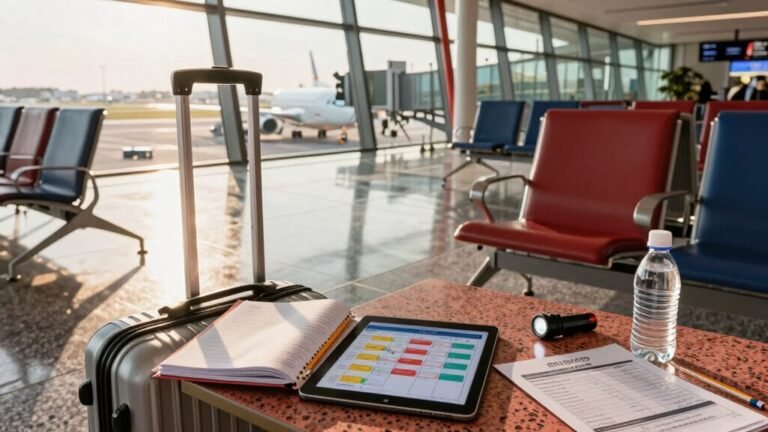
Managing Travel Fatigue and Rest on the Road
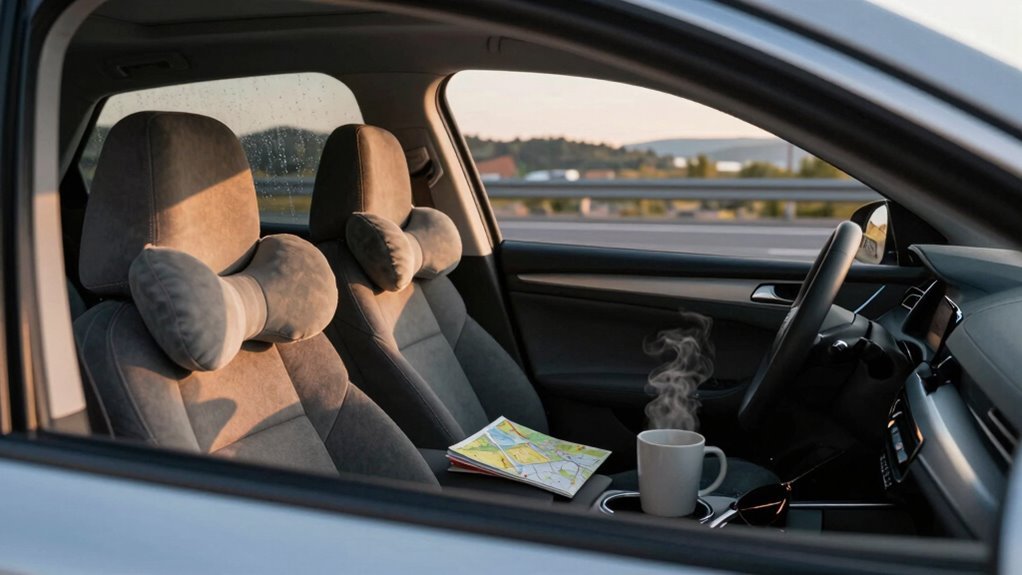
Managing travel fatigue on the road can feel like a never-ending battle, but it doesn’t have to. To keep your energy up, stay hydrated and avoid that second cup of coffee when you can.
Stretch your legs every couple of hours and take regular breaks — short walks or simple stretches can boost your mood and keep you alert. Think of it as a mini dance party if that helps!
Wearing comfy clothes makes a world of difference for rest and comfort while traveling. Stick with easy, breathable layers to adapt to changing temperatures.
Try these small habits consistently, and you may find your trips become more fun and far less draining.
Understanding Travel Fatigue

Travel fatigue can feel like a lead weight you didn’t sign up for when you began that journey of a lifetime. Suddenly, you’re physically worn out and mentally foggy, forgetting your itinerary like it’s a secret code. It’s no fun when the thrill of exploring new places turns into a game of “Where am I again?”
You might notice yourself feeling disengaged, with tiny annoyances feeling like major disasters. You might even feel that emotional rollercoaster where your mood swings like a pendulum. Don’t worry, you’re not alone!
It’s common for travelers to battle weariness and confusion, especially when traversing unfamiliar environments. Unlike jet lag, which lingers like an unwanted guest, travel fatigue can ease up with the right dose of rest and hydration.
Causes of Travel Fatigue
When you set off on your adventures, it’s easy to overlook what might drain your energy. From cramped seats that turn your legs into stiff spaghetti to the rocking vibrations of your vehicle, discomfort creeps in fast.
Sitting for so long can make you feel like a pretzel, restricting circulation and leaving you exhausted. And let’s not forget that dry airplane air that leaves you gasping for water!
Then there’s sleep—you might wish for a solid snooze, but with all the noise and movement, good sleep can feel like a distant dream. Jet lag adds its own flair to the mix, with your internal clock getting completely thrown off. In fact, studies have shown that sleep disruption tends to be greater when crossing multiple time zones, particularly with eastward travel.
It’s a recipe for fatigue but don’t worry! Recognizing these causes is the first step towards conquering travel fatigue, so you can get back to enjoying your adventures!
Physiological and Psychological Impacts
Feeling the effects of travel fatigue? You’re not alone! As you jump from time zone to time zone, both your body and mind can take a hit. Here’s what you’re likely experiencing:
- Sleep disruption leads to increased morning fatigue—you might feel like a zombie!
- Your immune function drops; so yes, your body might start to feel less resilient.
- Gastrointestinal woes like constipation or even the sudden urge to run for the restroom could spring up.
- Mood swings? You might become easily irritated, making even minor annoyances feel magnified.
Travel fatigue isn’t just about feeling tired. It can mess with your sleep, digestion, and mood.
But don’t worry! Recognizing these impacts is the first step toward managing them. Laugh it off, take a deep breath, and let’s tackle this travel fatigue together!
Recognizing Symptoms of Travel Fatigue

You mightn’t realize it, but recognizing the symptoms of travel fatigue is your secret weapon for a smoother journey! It’s like having a little radar system right in your brain. You’ll notice mental exhaustion when thoughts start feeling foggy, and decisions become a wild guessing game.
It’s also common to forget directions or feel disoriented after crossing time zones. Physically, you might feel utterly drained, with headaches or muscle stiffness tagging along for the ride. Your body’s way of saying, “Hey, slow down!”
Emotionally, irritability and feeling overwhelmed often pop up, turning minor mishaps into drama-worthy moments.
Finally, you might spot some puzzling behavior like forgetfulness or poor decision-making that’s so out of character for you. So, keep an eye out! Recognizing these symptoms can help you regain control and make the most of your adventure. Happy travels!
Strategies to Prevent Fatigue
Ready to tackle travel fatigue like a pro? Let’s plunge into simple strategies that’ll keep you energized on your adventures!
Managing your energy levels while traveling doesn’t have to be an overwhelming task. Here are some quick tips to help you stay sharp:
- Rethink your drinks: Consider avoiding caffeine and alcohol to improve your sleep quality and hydration.
- Mind your meals: Eat protein in the morning for alertness and carbs in the evening to help you wind down.
- Get comfy: Wear loose clothing and take a moment to stretch; your body will thank you!
- Stay active: Walk or stretch every couple of hours on your journey, even while sitting in your seat.
With these strategies, you’ll be ready to explore without the fatigue dragging you down.
Happy travels, and may your adventures be perfectly energizing!
The Role of Environmental Factors
Travel fatigue isn’t just about how long you’re on the road; your environment plays a big role too! When you step off that plane and into a sweltering place, you might feel like you’ve run a marathon. The heat can mess with your sleep and leave you dragging your feet. Plus, those cramped airplane seats? They’re the ultimate nemesis, making your back sore and your mood grumpy.
And let’s not forget that dry cabin air! It’s like traveling with a mouthful of cotton—no fun at all.
Your body’s circadian rhythm loves consistency. But flying through time zones? Yikes! It’s like hitting the snooze button on your sleep cycle. In just 48 hours, though, your body usually catches up.
Importance of Rest Breaks
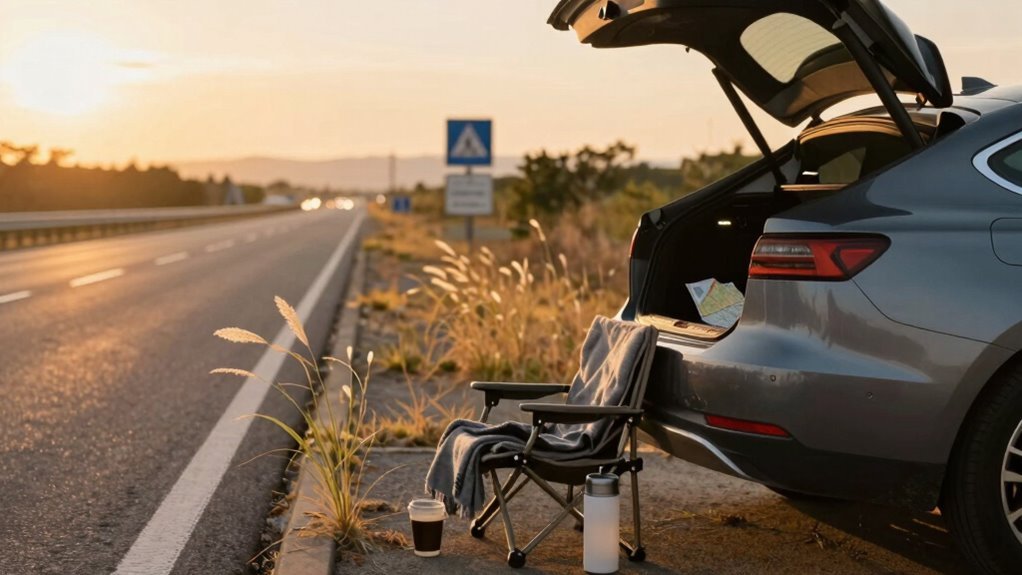
While commencing on an epic journey is thrilling, the importance of taking regular rest breaks can’t be overstated. Trust me, your future self will thank you!
Here’s why you should prioritize those pit stops:
- Crash Risk Reduction: Just one break can cut your crash odds by 68%, and taking two reduces it by 83%—that’s serious math in your favor.
- Boost Alertness: A quick nap or even a walk can zap away sleepiness and keep you sharp on the road.
- Frequency Matters: Aim for a break every two hours or 100 miles—your car can’t run on empty, and neither can you!
- Rest Areas Work: They’re strategically placed to give you a much-needed pause, helping to lower accidents related to fatigue.
Educating About Drowsy Driving Risks
Have you ever found yourself nodding off while gripping the steering wheel, wishing you’d listened to that little voice in your head telling you to pull over? Well, you’re not alone!
About 1 in 25 drivers admit they’ve nodded off at the wheel in the past month. Yikes! Drowsy driving causes around 91,000 crashes each year, and those incidents lead to about 800 deaths. That’s like losing a small town!
When you’re drained, your reaction time can plummet, making you just as impaired as someone who’s had too much to drink.
So, if you’re feeling drowsy, think about that last cup of coffee or a quick nap. Prioritize rest, especially if you’re driving late at night or during early morning hours when crashes are most common.
No one wants a long day of driving to end in disaster, so let’s keep it safe and smart on the road!
Frequently Asked Questions
How Does Diet Affect Travel Fatigue While Driving?
Your diet can seriously impact how fatigued you feel while driving! If you munch on veggies and whole grains, you’ll likely feel sharper and more alert.
But, indulge in sugary snacks or heavy meats, and you might feel like you’re driving on empty! Staying hydrated is key too; water can work wonders.
What Types of Activities Can Help Rejuvenate During Breaks?
Imagine you’re on a road trip, stopping for a much-needed break.
Take a brisk walk or stretch your legs with a bit of hiking. This boosts your blood flow and loosens any tight muscles.
If you prefer something chill, yoga can refresh your mind and body. Plus, soaking up nature’s beauty enhances your mood!
Are There Specific Travel Destinations That Worsen Fatigue?
Destinations like busy urban centers or popular tourist spots can really crank up your fatigue.
Think chaotic traffic, loud crowds, and countless attractions competing for your attention. When you’re constantly on the go, trying to see everything, your energy can take a nosedive—fast!
Even places with extreme weather can wear you out. So, if you wanna keep the fun going, maybe consider a quieter spot or a beach chair now and then!
Can Technology Help Monitor My Alertness While Driving?
Absolutely, technology can be your trusty co-pilot!
Driver Monitoring Systems (DMS) keep an eye on you, tracking your facial cues and distractions. If DMS notices you’re nodding off or glued to your phone, it’ll nudge you to focus by buzzing, beeping, or flashing.
Sure, you might think, “I’m fine!” but these systems are like that over-caffeinated friend who nudges you when you’re about to doze off.
Safety’s no joke, right?
What Should I Do if a Passenger Feels Drowsy?
If a passenger feels drowsy, pull over safely to a well-lit spot, stat!
A quick 15–20 minute nap can work wonders, so don’t skimp on that power snooze.
If another passenger is alert, switch drivers—it’ll make a world of difference.
And remember, if that sleepiness lingers like a stubborn house guest, it’s best to call it a day.
Safety first, my friend! Let’s keep those adventures fun and accident-free!
Conclusion
Traveling should feel like a joyful adventure, not a drag! Just like a car needs fuel, you need rest to keep your energy high and your spirits soaring. By recognizing the signs of fatigue and taking regular breaks, you can turn your journey into a smooth ride. So, treat yourself like the VIP you are and prioritize rest. Remember, skipping breaks is like trying to drive on empty—you’re bound to stall! Now, hit the road and enjoy every moment!