
Traveling During Flu Season: Precautions for Seniors
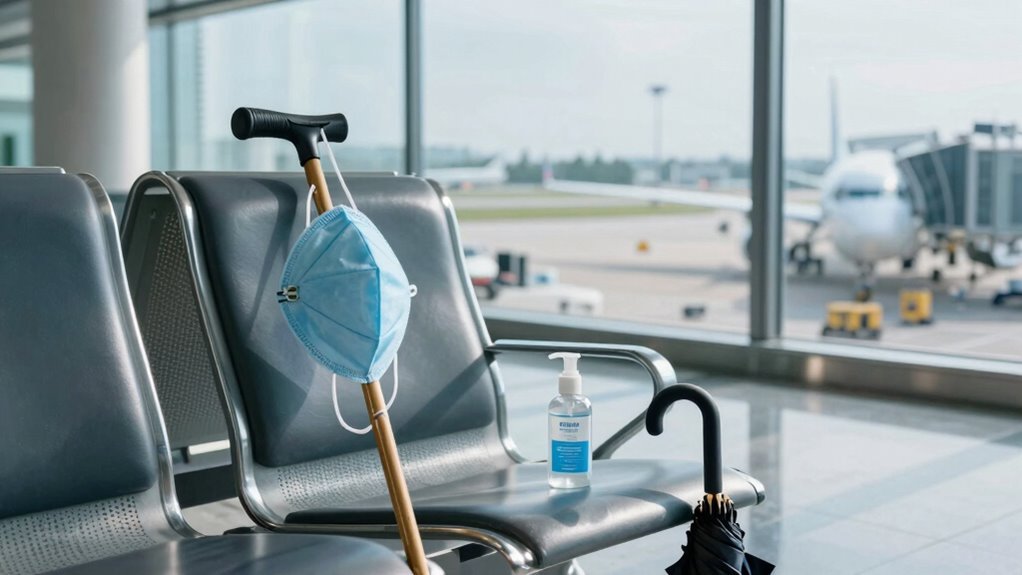
Traveling during flu season? Take a few simple precautions for seniors to reduce your risk and travel with more confidence.
First, get your flu shot before you go. It’s not perfect, but vaccination lowers your chances of serious illness. Keep hand sanitizer or wipes handy, and wash your hands frequently. Try not to touch your face — especially your nose and mouth.
Watch your health after traveling, since flu symptoms can appear a few days later. If you feel unwell, contact your healthcare provider early for guidance.
With these steps, traveling during flu season can be safer and less stressful.
Understanding the Risks of Influenza for Seniors

Understanding the risks of influenza for seniors can feel like finding your way through a tricky maze, but don’t worry—we’ve got your back!
As you age, your body’s immune system gets a little lazy, making it tough to bounce back from the flu. In fact, adults 65 and older make up about 90% of flu-related deaths!
If you’re 85 or older, your risk of hospitalization skyrockets—up to 6.4 times greater than those aged 65-74. Yikes!
Chronic conditions like heart disease or diabetes can make flu complications even trickier, like adding extra twists to that maze. Additionally, adults aged ≥65 account for 50%-70% of influenza-related hospitalizations, illustrating the severe impact of this virus on older populations.
Pneumonia is a sneaky sidekick that often tags along with the flu, leading to hospital stays and increased mortality risk. Plus, seniors in shared living spaces face even higher risks.
Importance of Vaccination for Senior Travelers
When you’re gearing up for your travels, getting vaccinated against the flu isn’t just a good idea—it’s essential! As a senior, you know that your immune system isn’t quite as spry as it used to be. In fact, flu vaccine effectiveness can dip down to about 26% for your age group.
But don’t worry; even that little boost can greatly cut your chances of catching the flu and winding up in the hospital! With the right vaccines, like the higher dose and adjuvanted options, you can enhance your protection. Imagine avoiding flu-related fun killers like unexpected hospital stays! Moreover, overall vaccine effectiveness is estimated at 41%, which shows that vaccination can still provide worthwhile protection.
Plus, annual vaccination can even reduce pneumonia risk, which is a win-win for your health. So before you head off to that sunny beach or cool mountain, roll up your sleeve and get your shot—your future self will thank you for it!
Safe travels!
Preparing for Travel: Health Assessments and Recommendations
You’ve already taken a fantastic step by getting your flu shot, but the preparations don’t stop there! Before you jet off, it’s important to make certain you’re in tip-top shape. Here’s what to check off your travel prep list:
- Schedule a consultation with your doctor 4 to 8 weeks prior to travel for a health assessment and necessary vaccinations.
- Review your medications to adjust schedules for time zones and guarantee you’ll have enough supply.
- Obtain a letter from your healthcare provider that details your medical conditions, treatments, and medications, especially for customs.
- Double-check your health insurance coverage, considering supplemental travel insurance for added peace of mind.
Essential Hygiene Practices During Travel

As you set out on your travels, keeping those pesky germs at bay can feel like a full-time job, but don’t worry—it’s easier than it sounds!
Start with your hands: wash them frequently with soap and water for at least 20 seconds, especially after touching public surfaces. When soap isn’t around, trusty hand sanitizer with at least 60% alcohol will do the trick. Remember, avoid touching your face; those cute little viruses are just waiting for an entrance!
Carry travel-sized sanitizer and tissues for instant cleanup. Don’t forget to cover your mouth when sneezing or coughing—nobody wants to be that person! Masks in crowded spaces add another layer of protection.
And make sure to disinfect frequently-touched surfaces, like your phone and airplane tray tables, with wipes. So, get ready to set forth on your adventure, armed with these essential hygiene practices for a healthier, happier trip!
Managing Chronic Conditions While Traveling
Traveling with chronic conditions can seem challenging, but with a little prep work, you can make your trip smooth and enjoyable!
Here’s a quick checklist to keep you on track while you wander the world:
- Consult Your Doctor: Schedule a pre-trip appointment 4–6 weeks in advance to discuss immunizations and medication adjustments.
- Pack Smart: Bring an extra supply of your medications, plus detailed documentation about your health needs—just in case.
- Stay Informed: Know the medical resources available at your destination and be aware of any specific health risks—like altitude or air quality.
- Keep Moving: Combat travel-related issues like venous thromboembolism by staying hydrated and moving around during long travels.
Packing a Travel Health Kit for Influenza Prevention
When you’re gearing up for a trip during flu season, putting together a travel health kit focused on influenza prevention can feel like preparing for a mini expedition of its own!
Start by packing a reliable hand sanitizer with at least 60% alcohol—your secret weapon against those pesky flu viruses lurking everywhere. Don’t forget multiple face masks; they’re lifesavers in crowded spaces and will make you feel like a superhero defending against airborne foes.
Toss in tissues for those sudden coughs, and include your prescribed antiviral meds—because we all want to stay on the healthy side of travel!
Disinfectant wipes are a must for cleaning high-touch surfaces like phone screens and airplane trays. You’ll also want over-the-counter remedies, a small thermometer, and a bit of comfort food for energy.
With this kit, you’ll be ready to embrace the adventure and combat the flu—one mask at a time!
Monitoring Health Post-Travel: What Seniors Should Look For
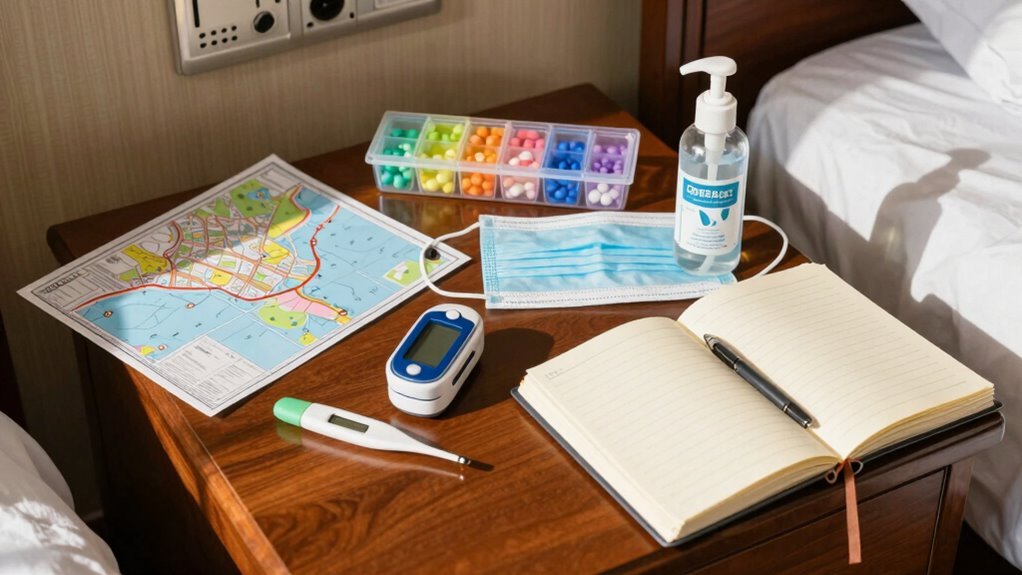
Monitoring your health after a trip isn’t just a good idea; it’s essential for staying well, especially during flu season!
You want to keep an eye out for any signs that could spell trouble. Here’s what to watch for:
- Fever and cough – Classic flu indicators, so don’t ignore them!
- Fatigue and body aches – Even if they seem mild, they can signal something more serious.
- Gastrointestinal symptoms – Nausea or diarrhea combined with respiratory signs should raise a red flag.
- Persistent respiratory issues – Symptoms like shortness of breath could mean it’s time to call your doctor.
Keep monitoring your health for at least seven days after traveling. Those sneaky symptoms can take their sweet time showing up.
Strategies for Seeking Medical Care During and After Travel
Whether you’re jetting off to a sunny beach or visiting family across the country, finding the right medical care while you’re away can feel a bit intimidating.
Start your adventure by ensuring your flu vaccination is up-to-date—trust us, your future self will thank you! Before you go, check in with your doctor to manage any chronic conditions and discuss antiviral meds, especially if you’re heading to crowded places.
Once you’re at your destination, locate nearby healthcare facilities or urgent care centers specializing in older adult care.
If you feel under the weather, don’t hesitate to use telemedicine; it’s a great way to get a handle on symptoms without the crowd. Keep an eye on your health during your trip; if those pesky flu symptoms pop up, seek help right away.
And don’t forget to schedule a follow-up appointment once you’re back; it’s the perfect excuse to catch up with your doctor!
Frequently Asked Questions
Can Seniors Travel Safely if They’ve Had the Flu Recently?
Absolutely, you can travel after the flu, but it’s gotta be smart.
Make sure you’ve fully bounced back, with no lingering coughs or fatigue—they’re party poopers.
Stay hydrated, pack some snacks, and don’t forget your favorite mask for crowded spots.
Avoid rush hour at the airport; it’s like diving into a sea of germs!
If you’re unsure, a chat with your doc‘s a must.
Happy travels, but keep safety first!
What Are Common Flu Symptoms Seniors Should Watch For?
When seniors catch the flu, they should watch for a few sneaky symptoms!
You’ll often feel feverish, even if your temperature’s lower than usual.
Keep an eye on that cough—it might be persistent and annoying.
You might feel achy all over or suddenly drained of energy.
Sometimes, confusion and dizziness sneak in too.
And don’t forget those delightful digestive surprises—nausea or diarrhea can join the party!
It’s always best to stay alert and seek help if needed!
Are All Flu Vaccines Effective for Seniors?
Not all flu vaccines are equally effective for seniors, but they still offer valuable protection!
Generally, high-dose vaccines work better by boosting your immune response, while standard doses provide decent baseline coverage.
Sure, the effectiveness might be lower compared to younger folks, but even a 40% to 60% protective rate helps.
Remember, every bit of protection counts, especially when it comes to preventing those pesky complications and staying healthy!
How Can Seniors Strengthen Their Immune Systems While Traveling?
To strengthen your immune system while traveling, load up on antioxidant-rich fruits and veggies—think citrus and leafy greens!
Don’t forget to snag those B vitamins and zinc from lean meats or beans.
Move around—a brisk walk or some yoga can do wonders.
Get comfy sleep too; aim for 7-9 hours nightly.
And remember, a good laugh is like a mini workout for your immunity, so keep that sense of humor alive on your adventure!
What Should Seniors Pack for Managing Flu Symptoms?
Pack your flu-fighting toolbox, and don’t leave home without it!
You’ll want a thermometer (because who doesn’t love a mini heat check?), a pulse oximeter for those anxious moments, and some trusty over-the-counter meds.
Don’t forget herbal teas—they’re like warm hugs for your throat—and easy-to-eat delights like applesauce and broth.
And hey, toss in some cozy blankets and tissues—once the sniffles start, you’ll be glad you did!
Conclusion
Traveling during flu season might feel like dancing on a tightrope, but with the right precautions, you can stay balanced and enjoy your adventures! Getting vaccinated, practicing good hygiene, and keeping tabs on your health can make all the difference. So pack that travel health kit, and don’t forget to chuckle at the unexpected—after all, laughter is the best medicine! With a little preparation, you’ll turn your journey into a memorable experience, flu-free and full of fun!